Great Sand Dunes — A Cinematic Fine Art Journey Through Wind-Sculpted Landscapes
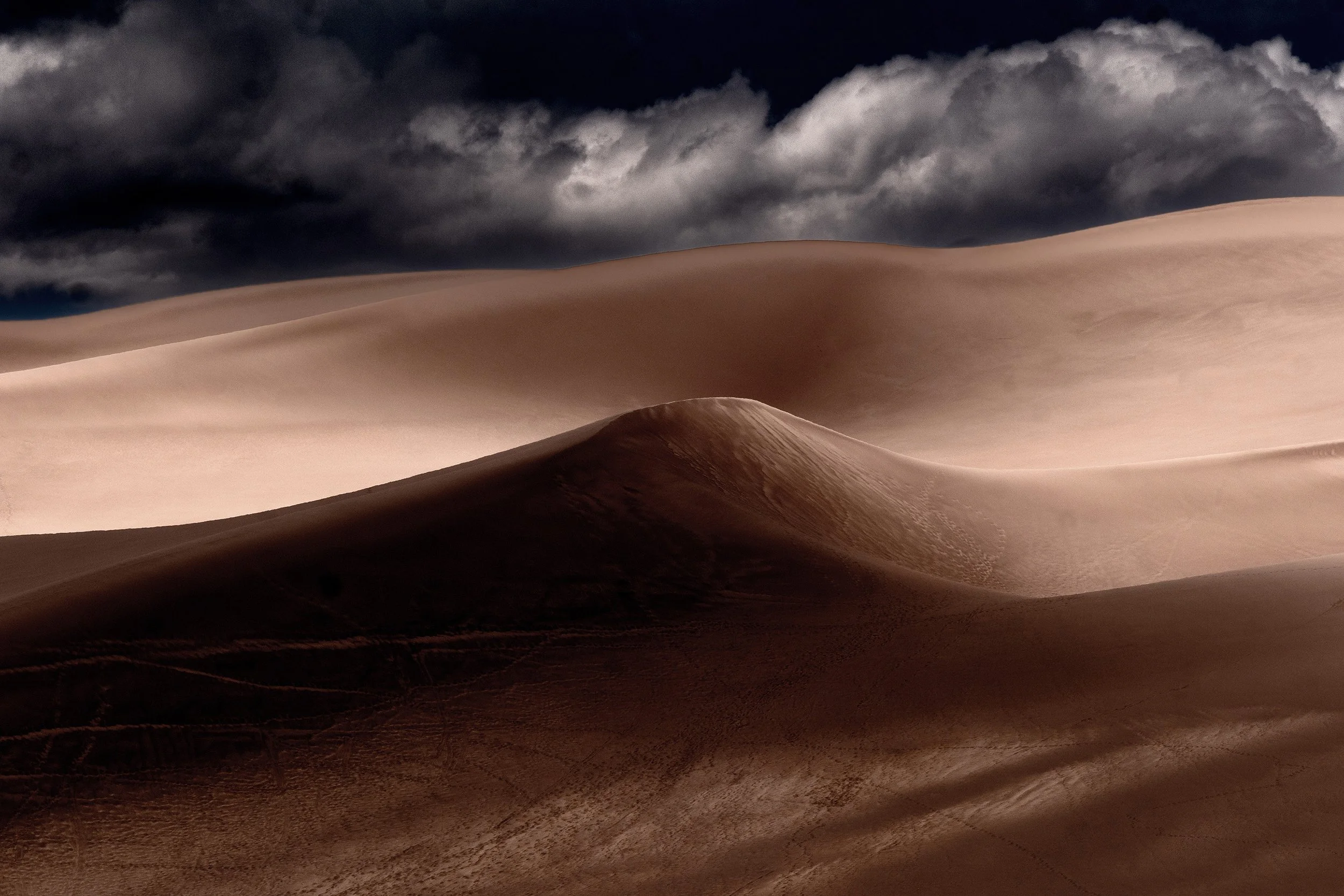
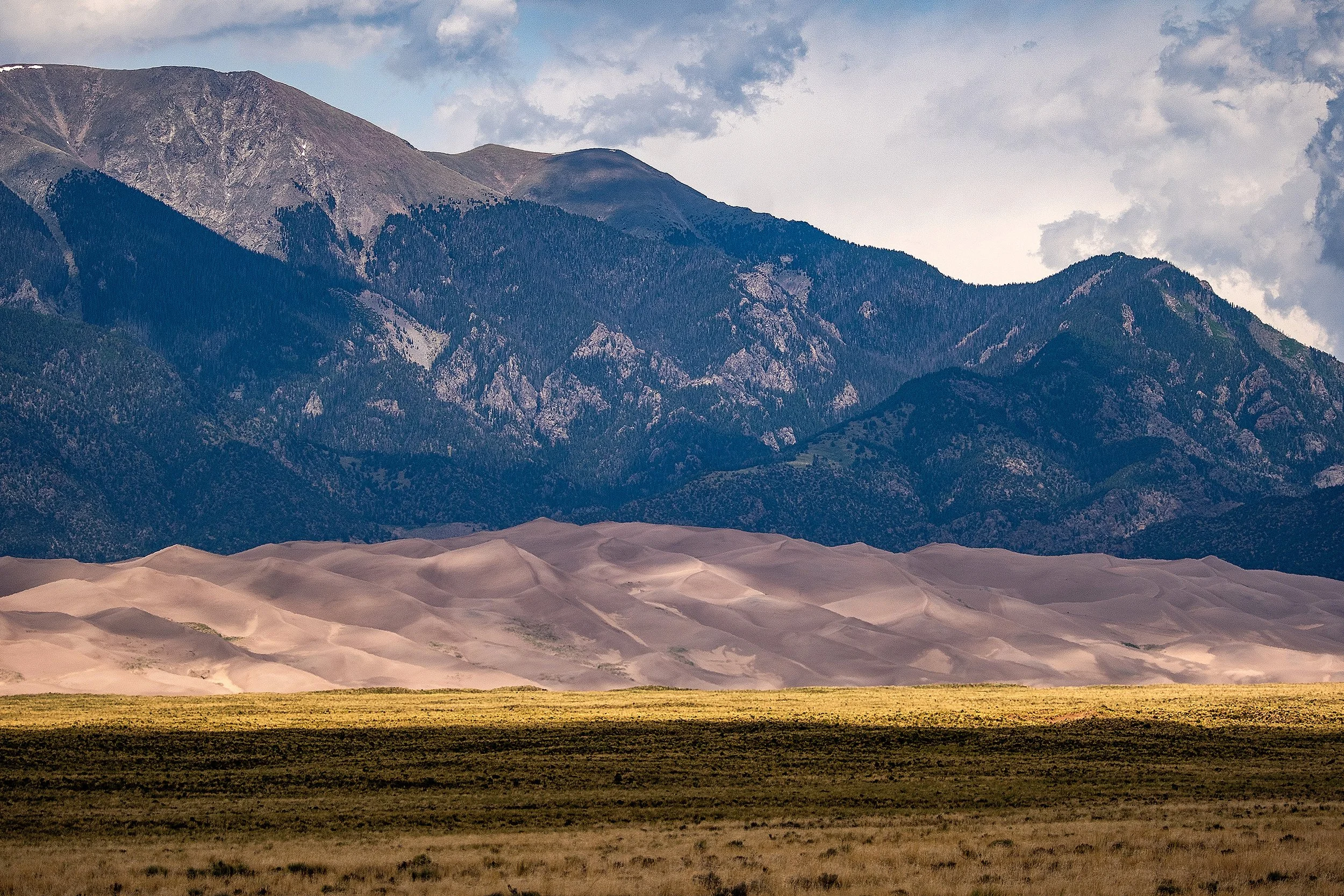
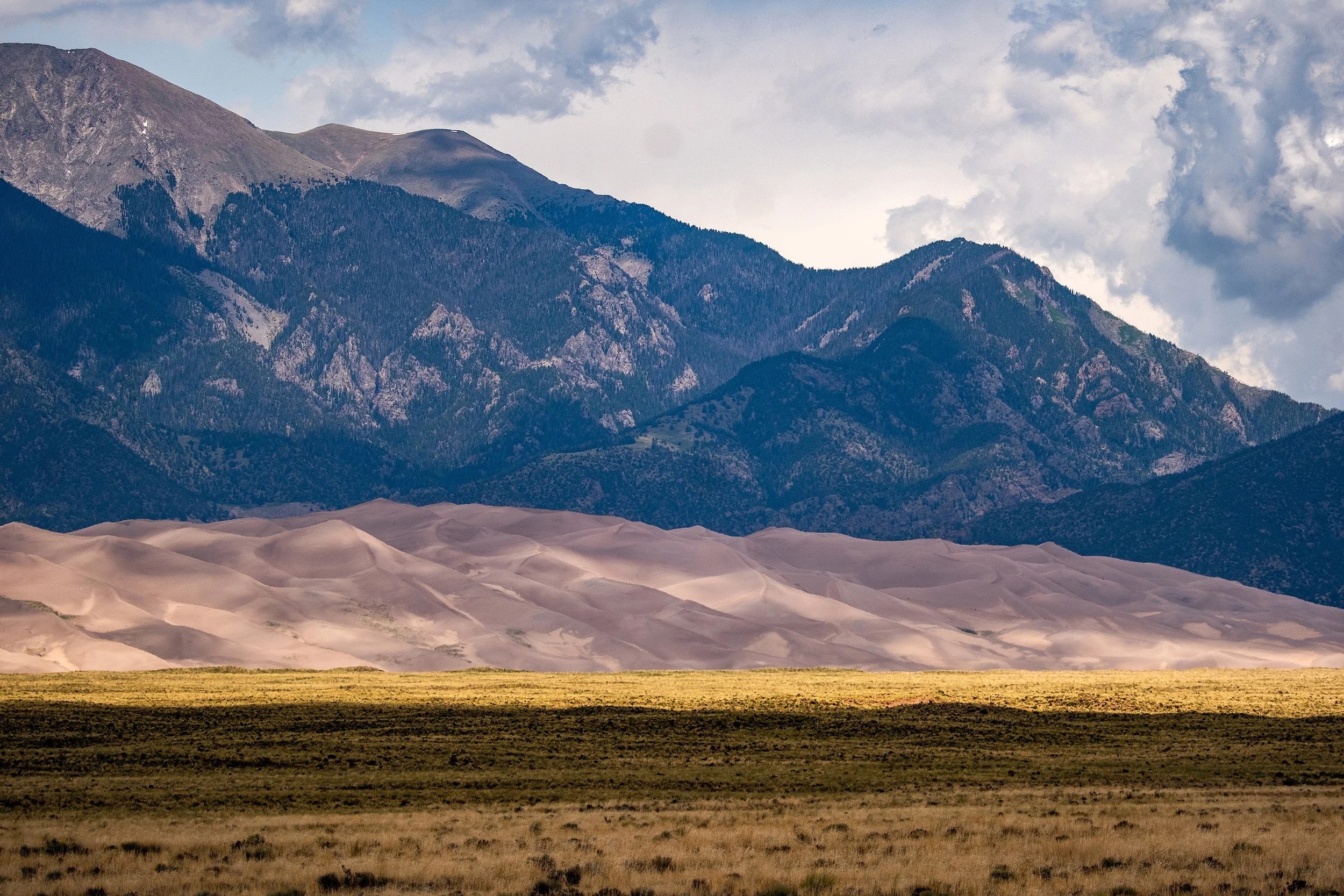
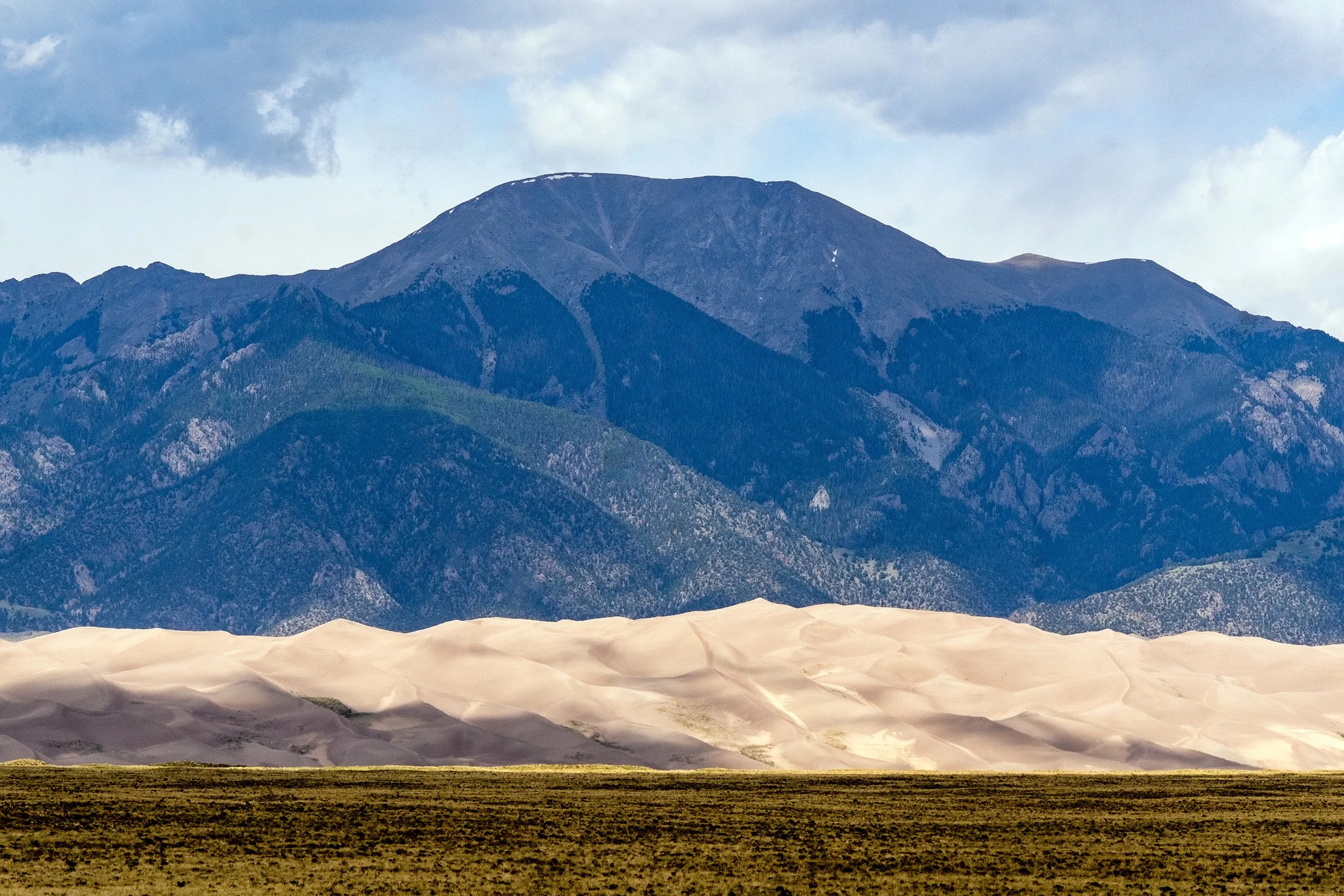
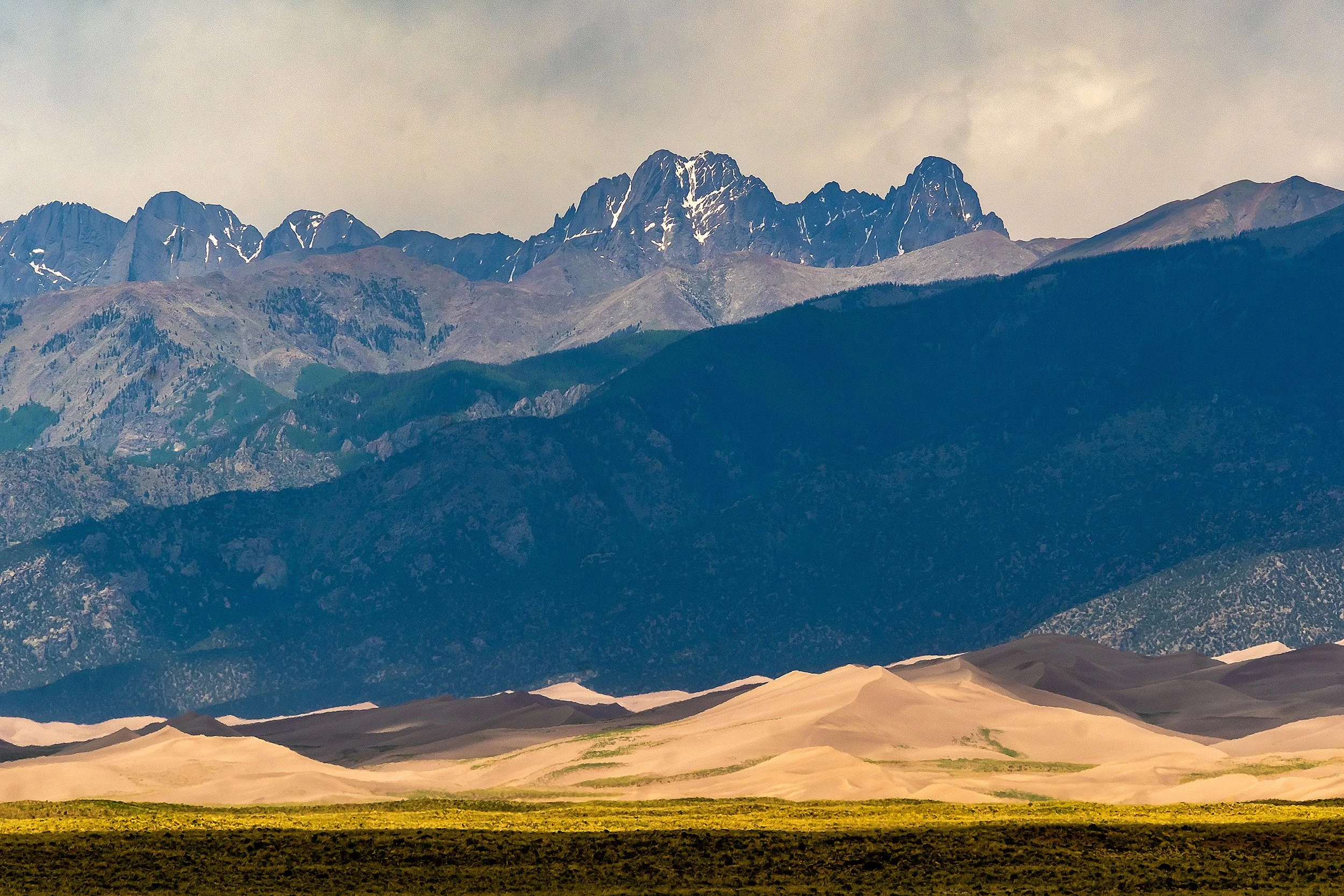
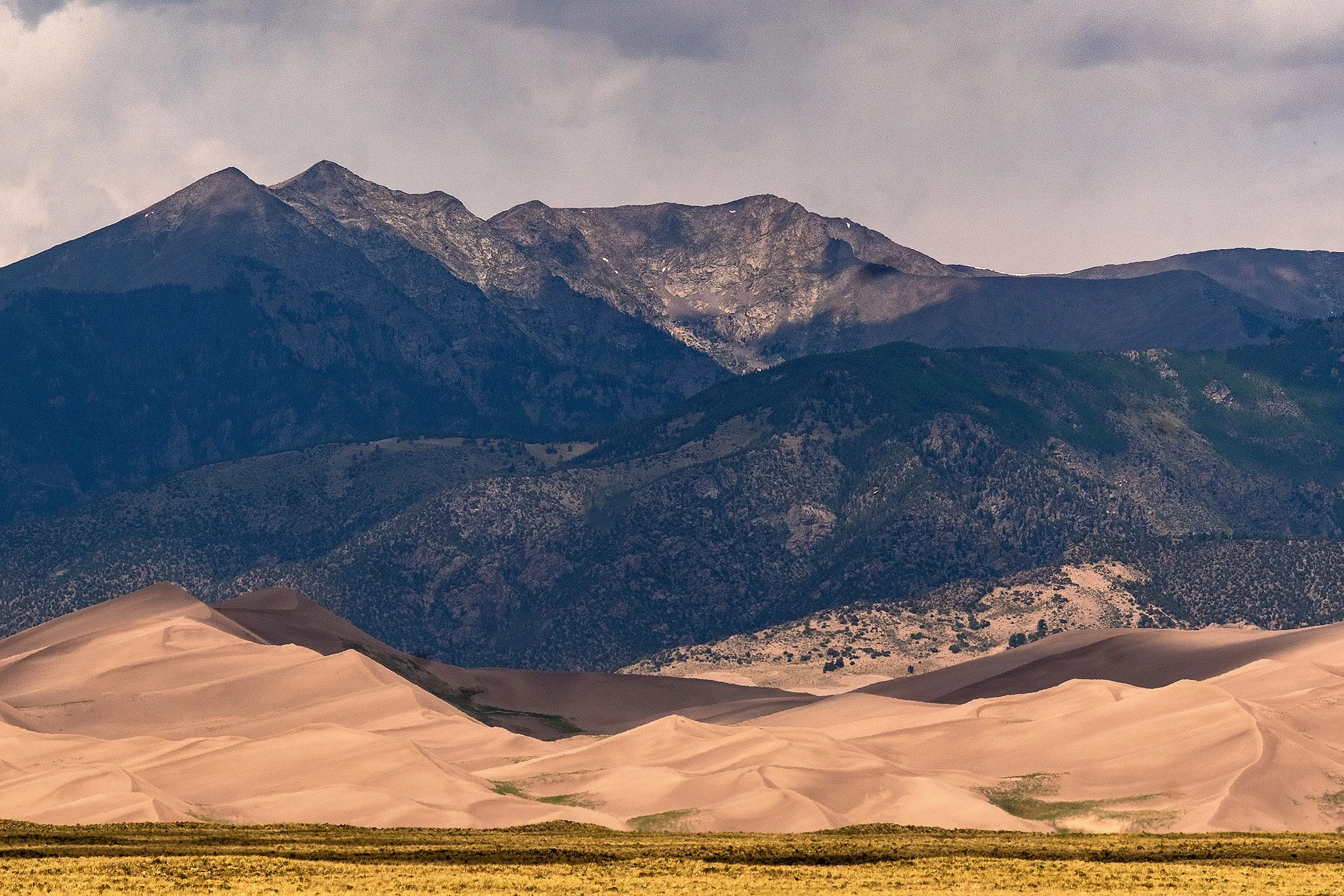
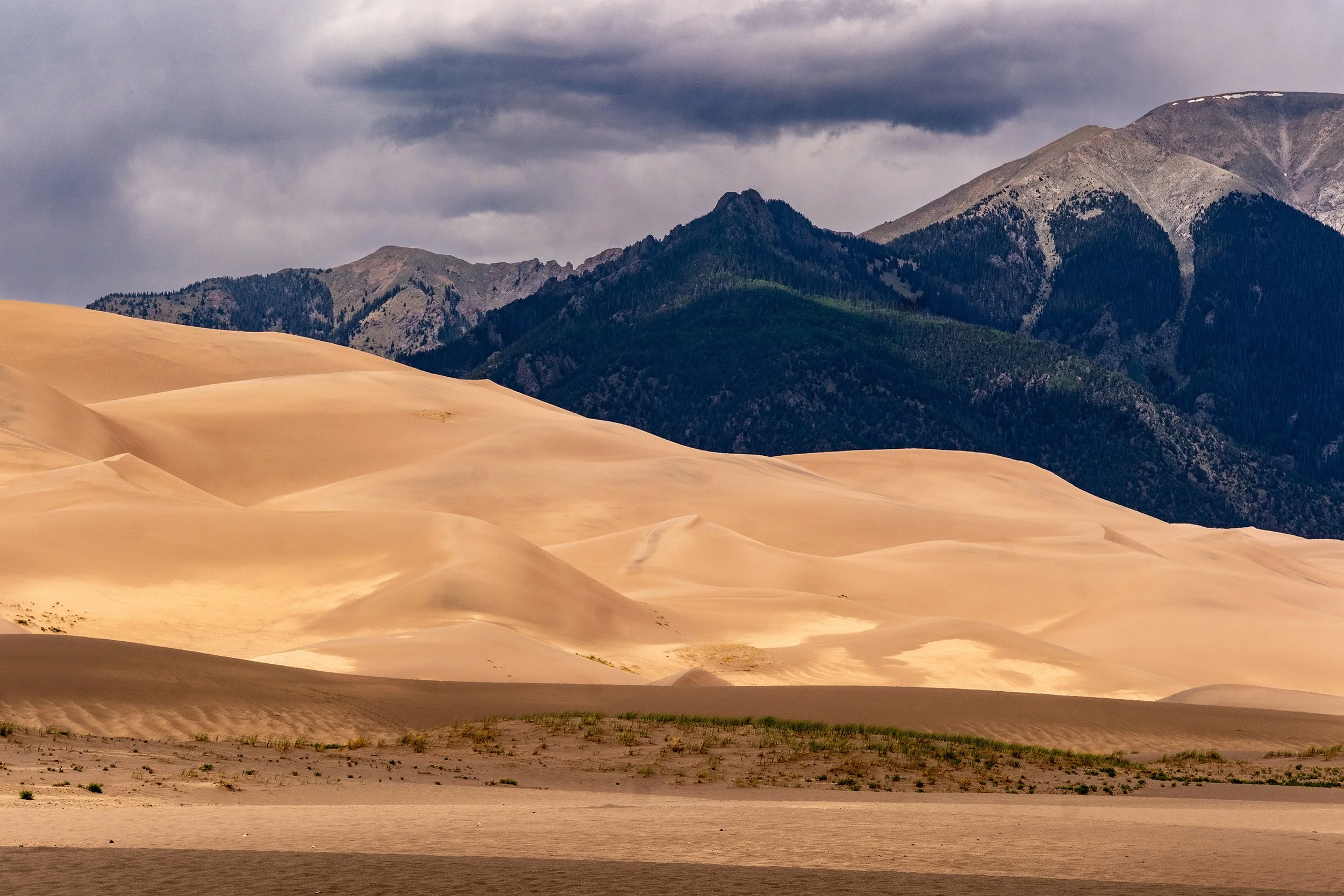
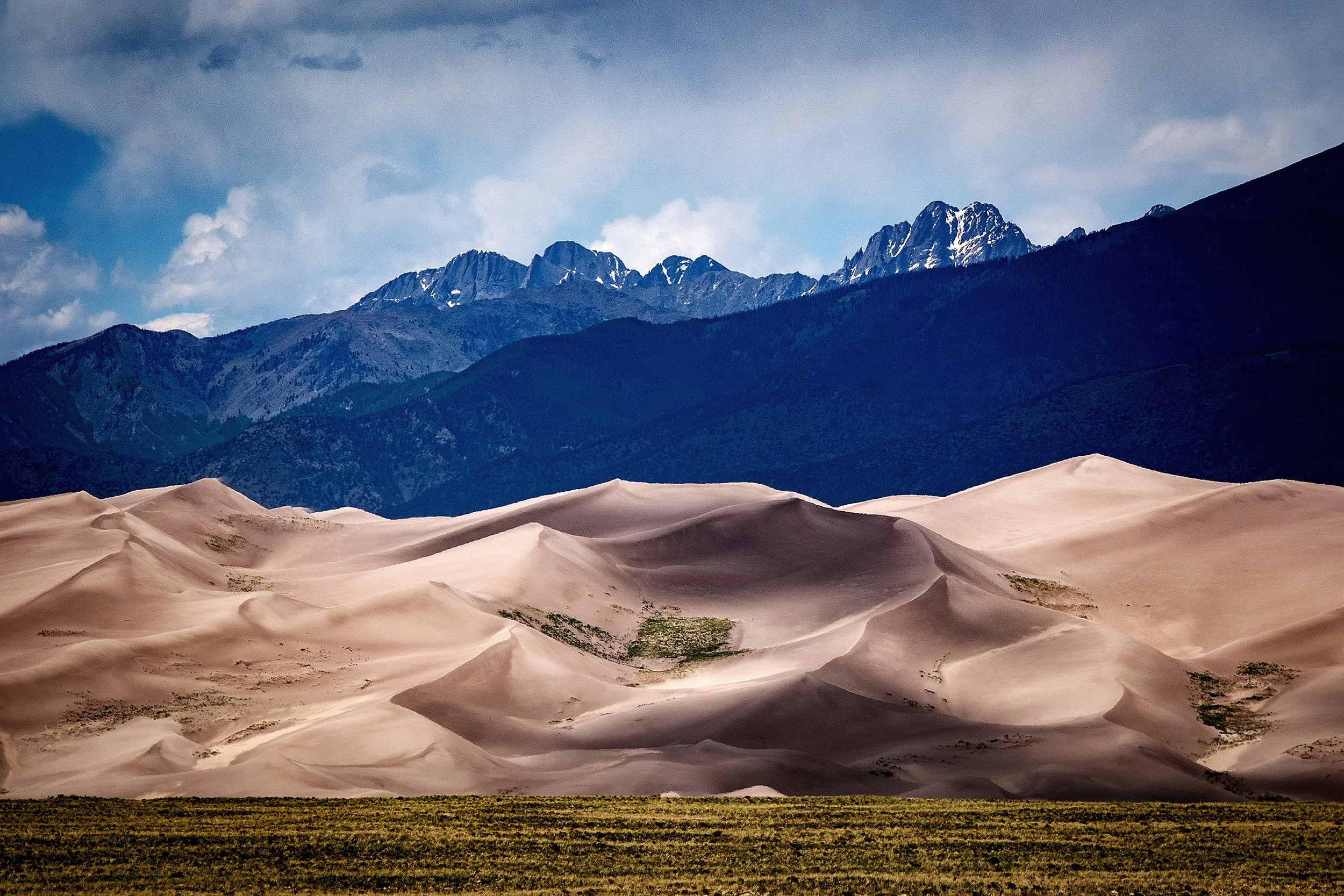
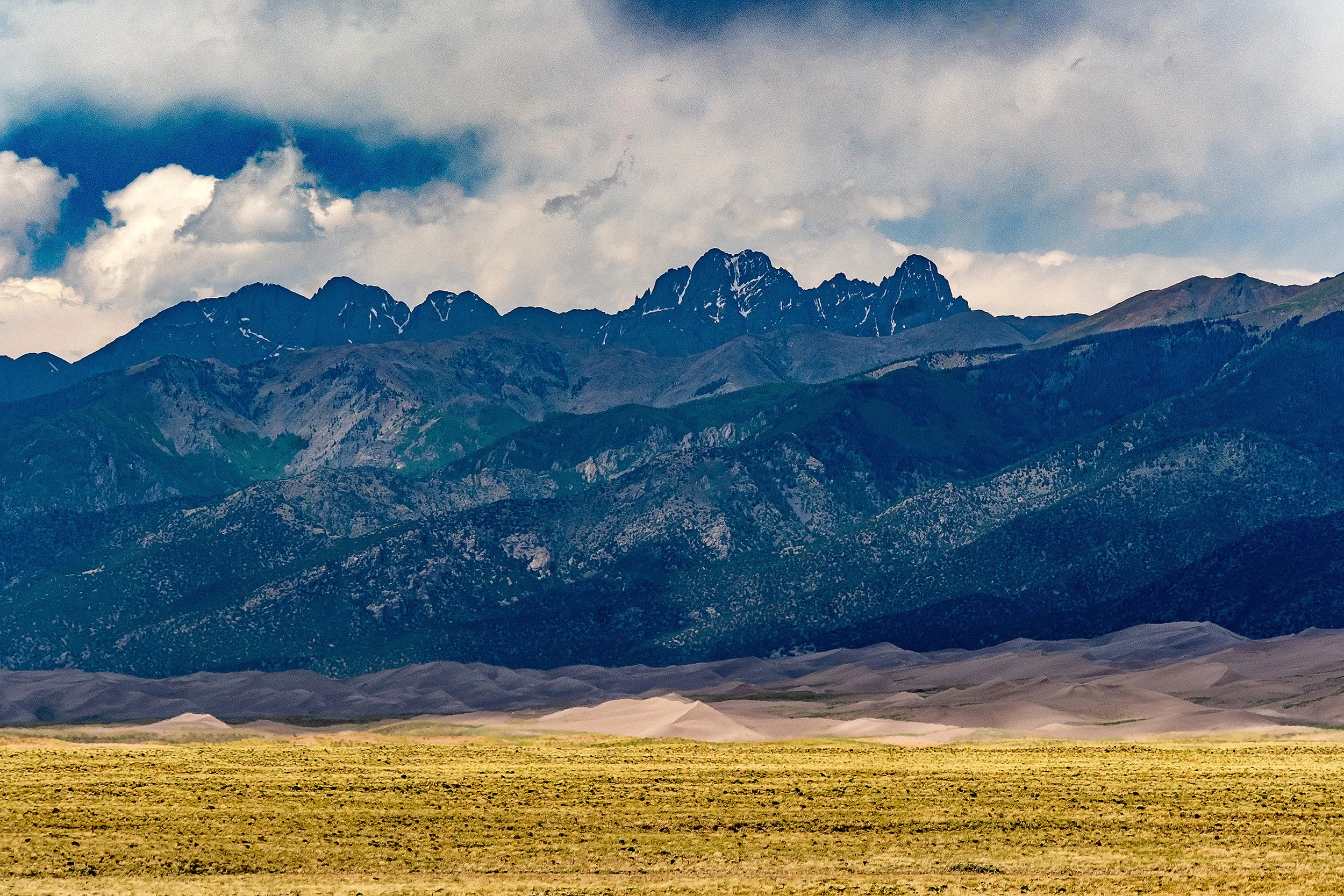
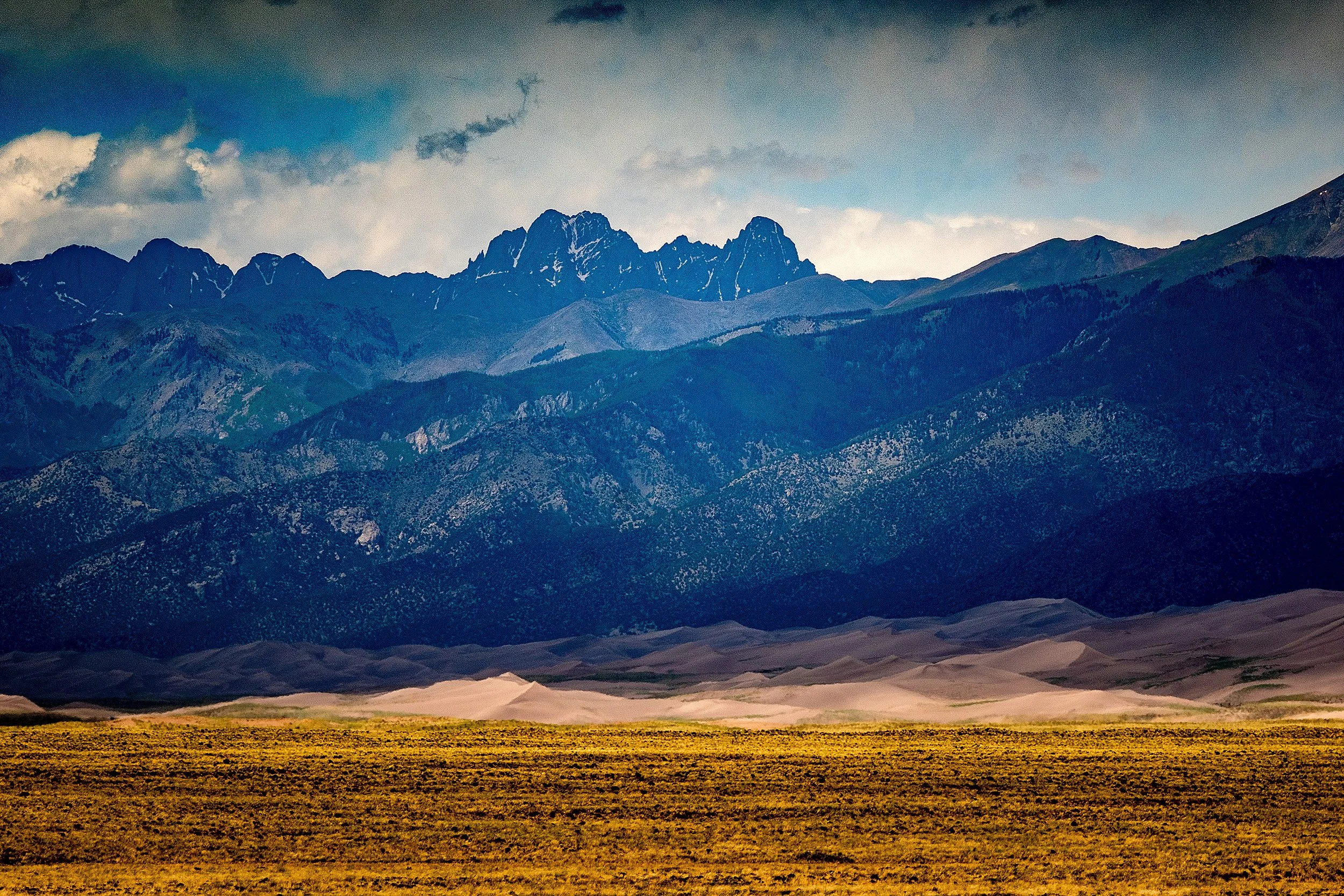
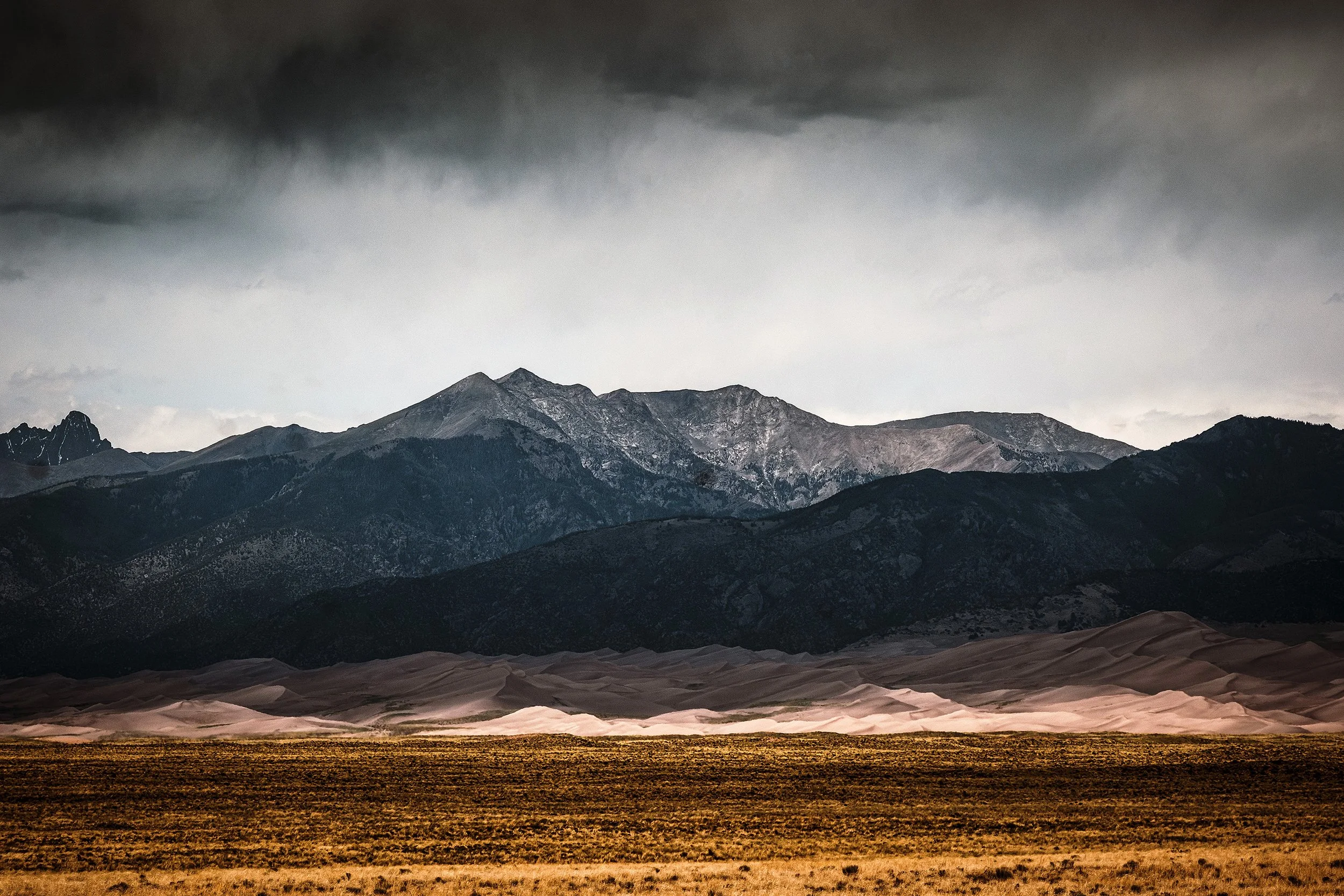
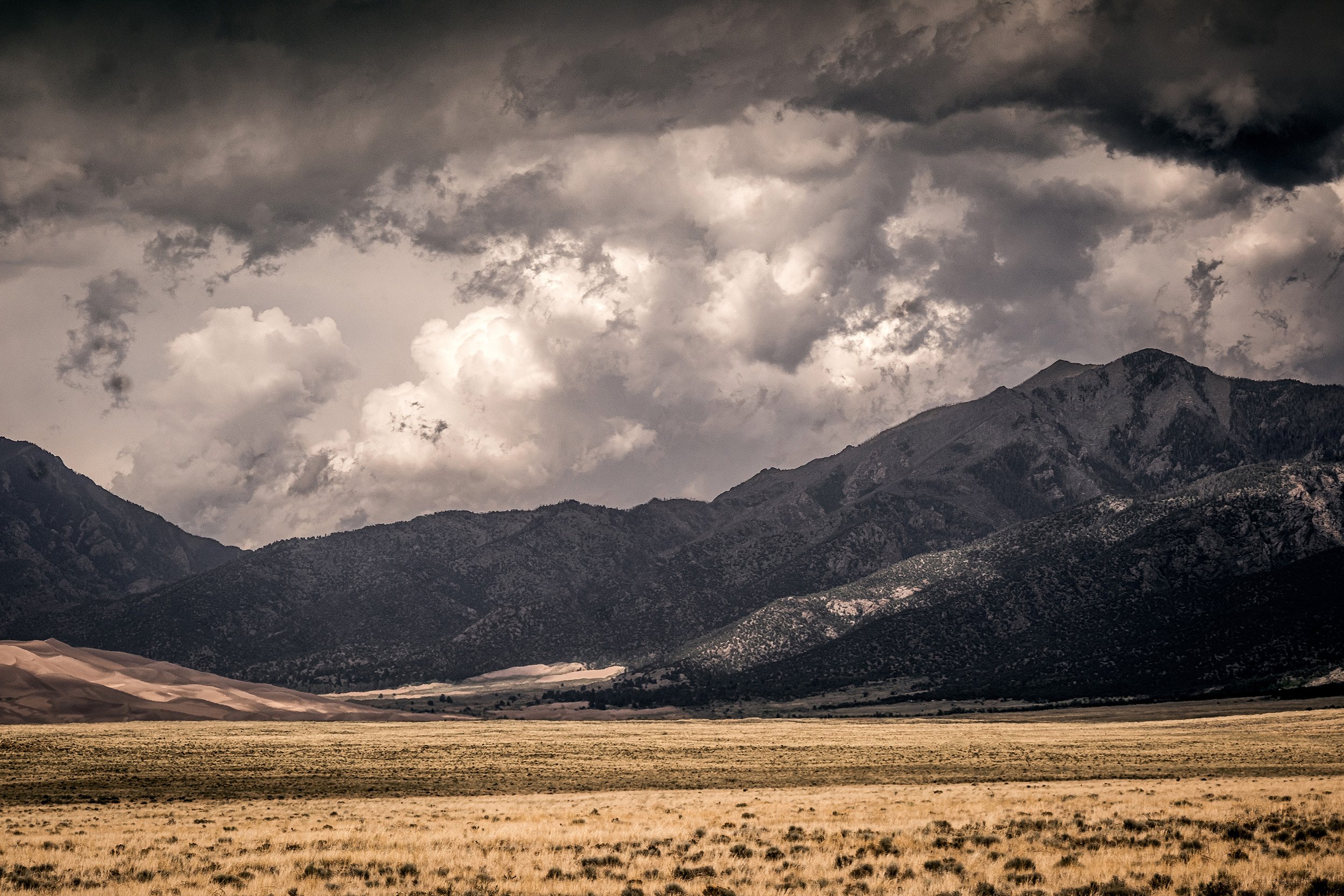
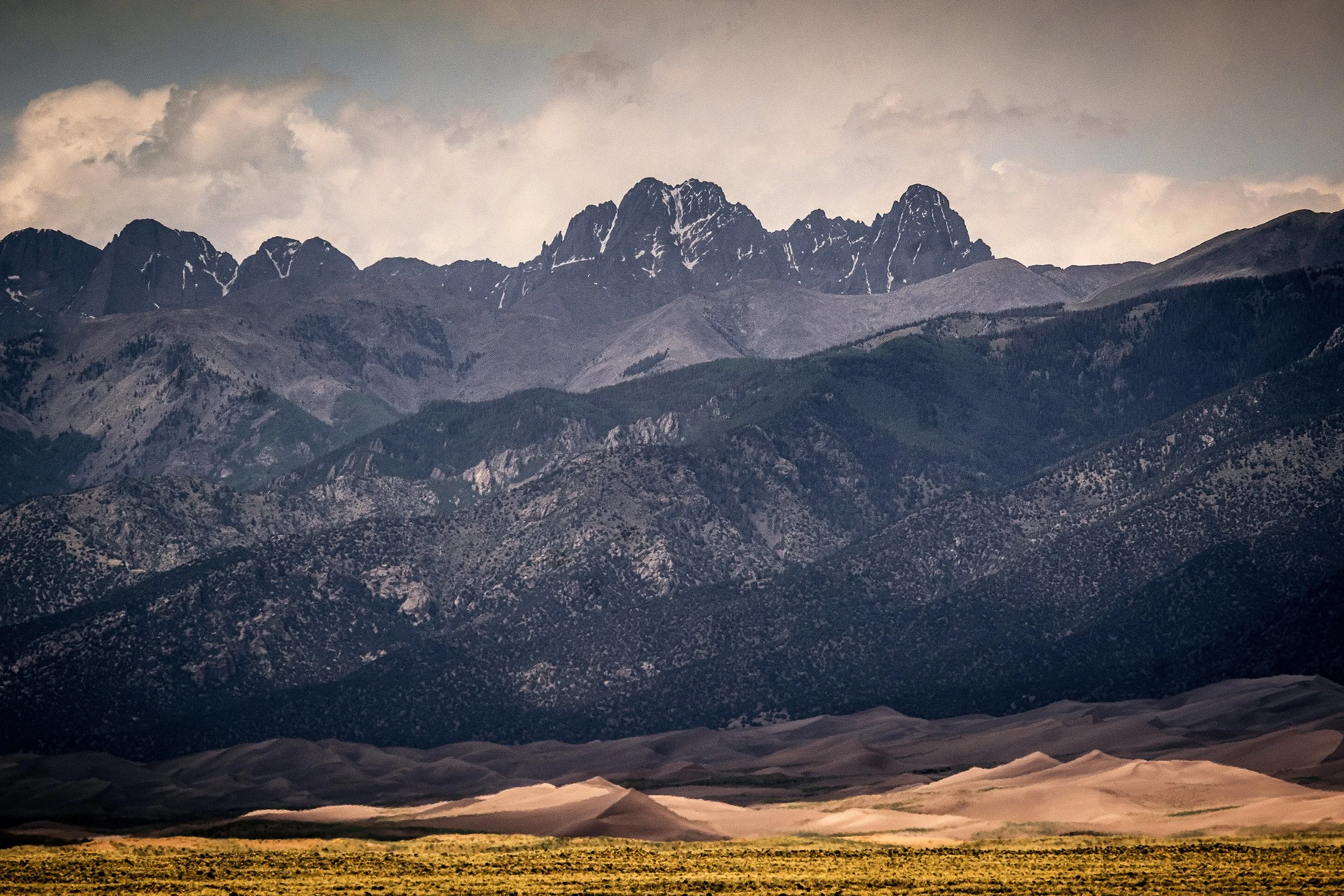
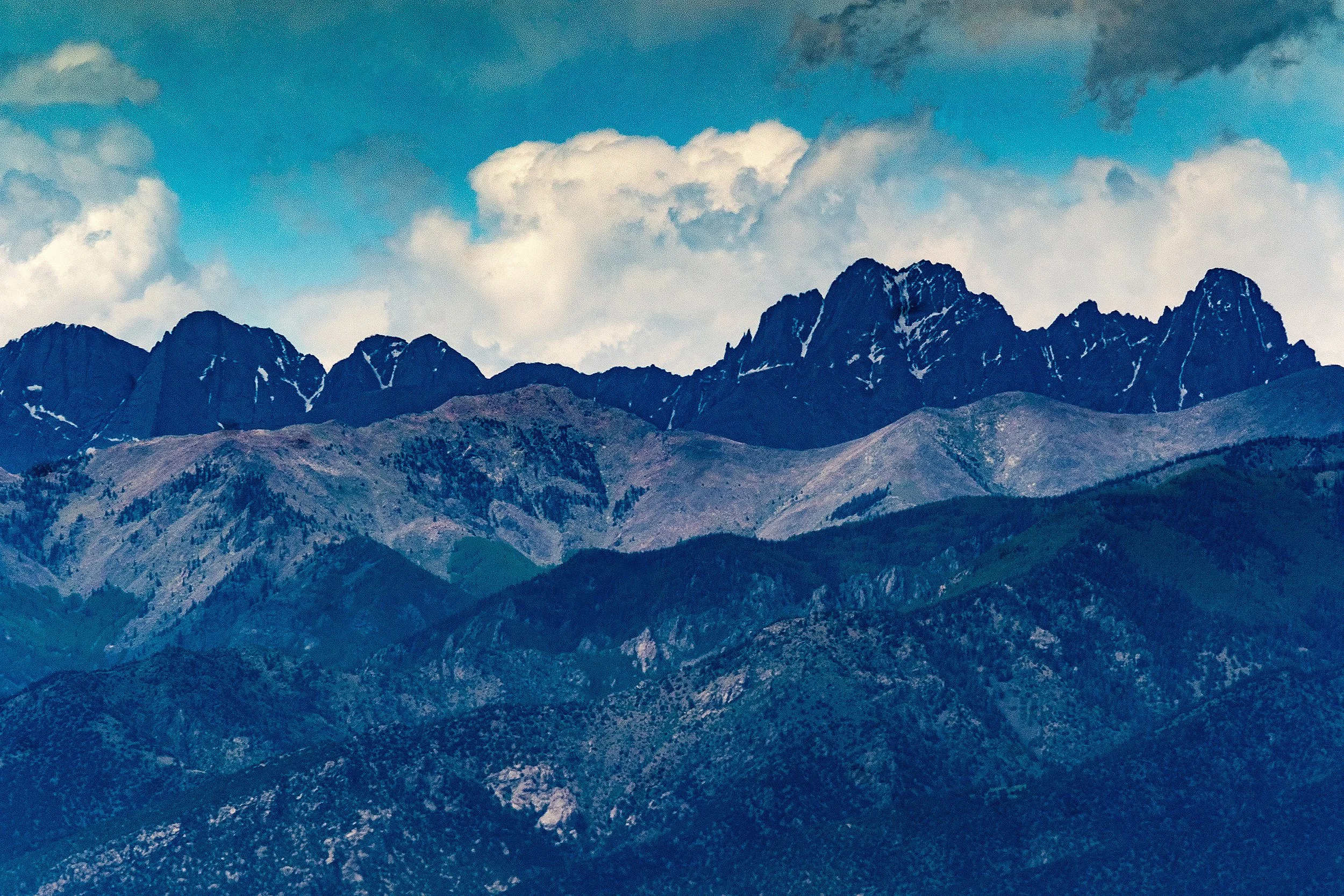
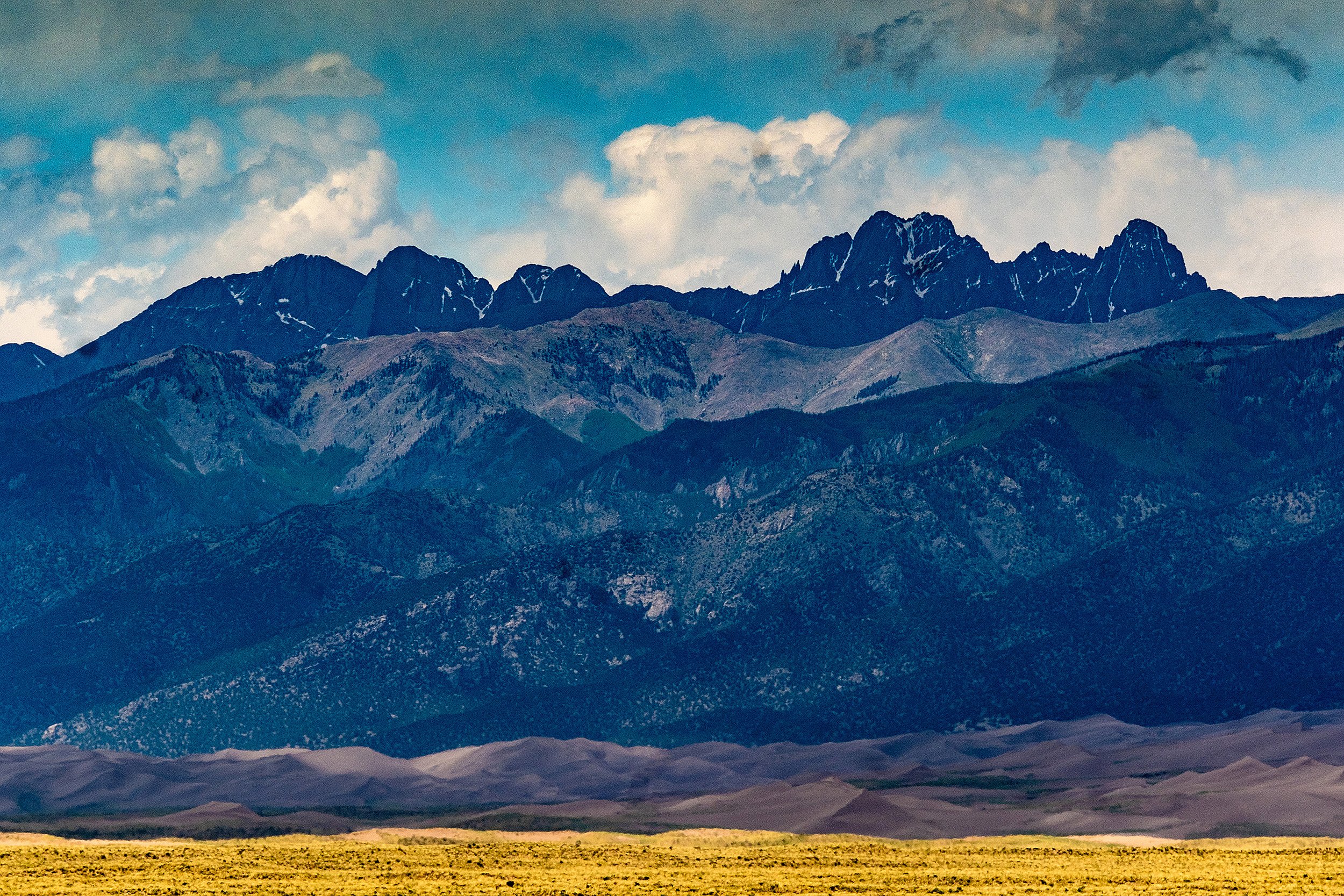
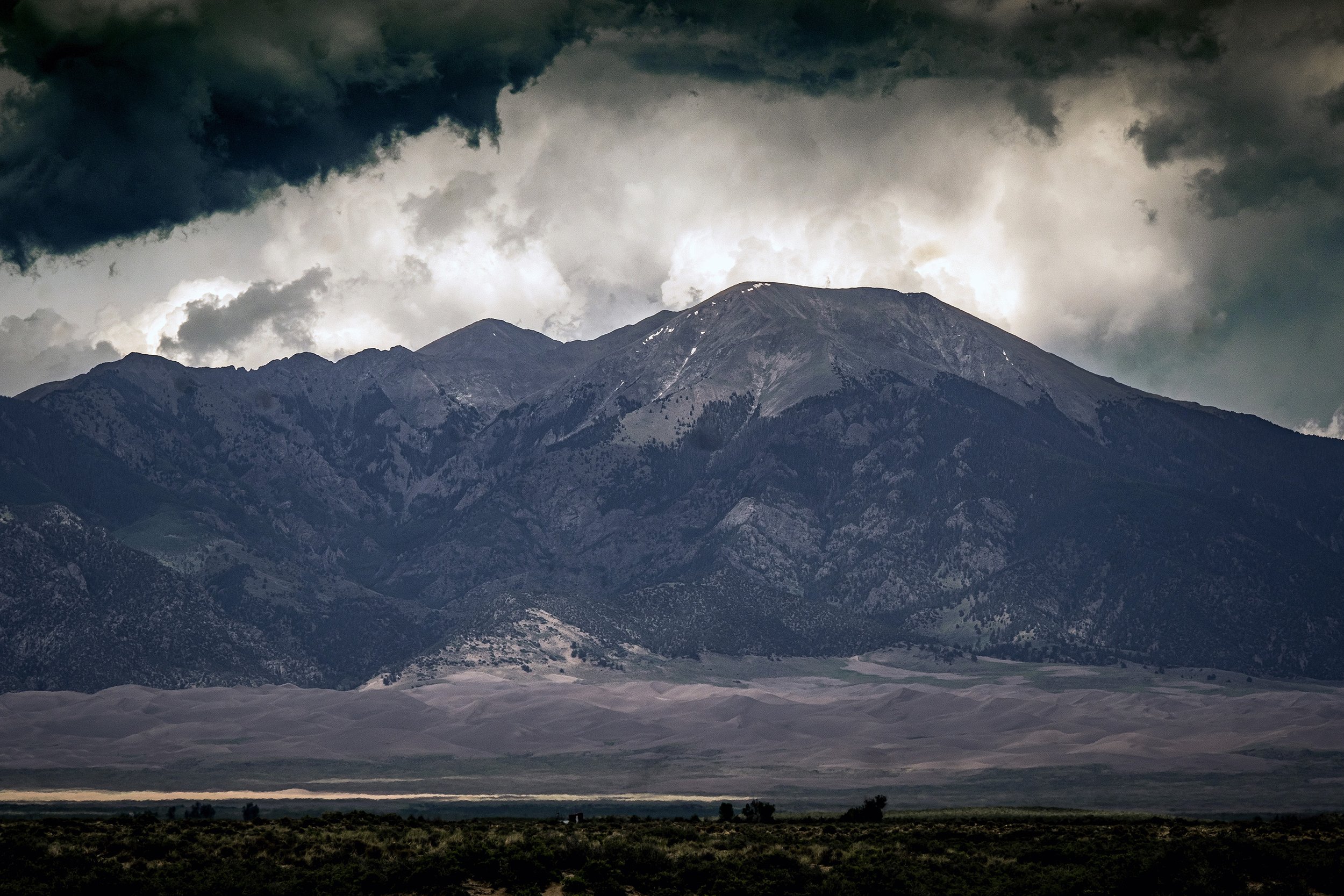
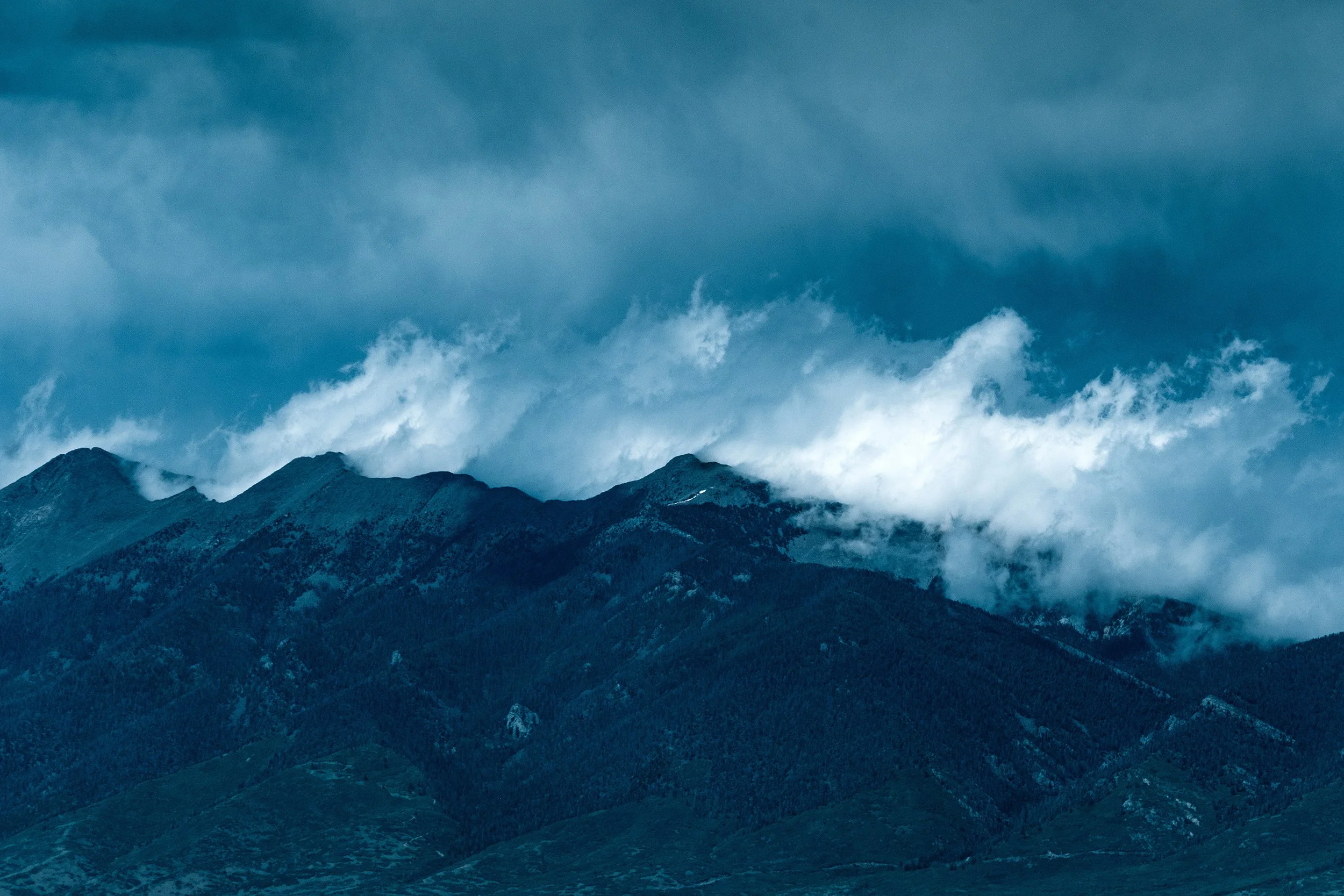
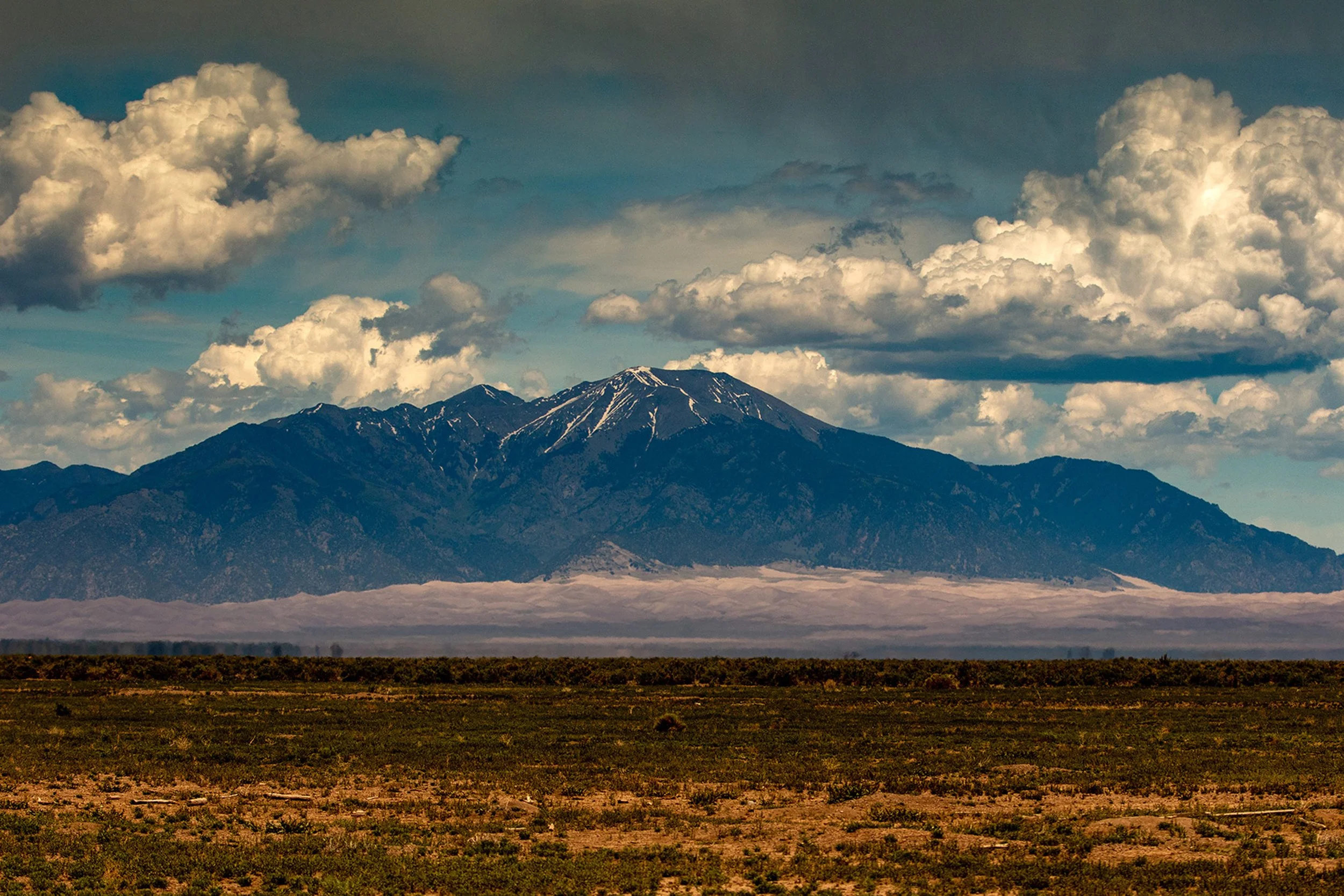
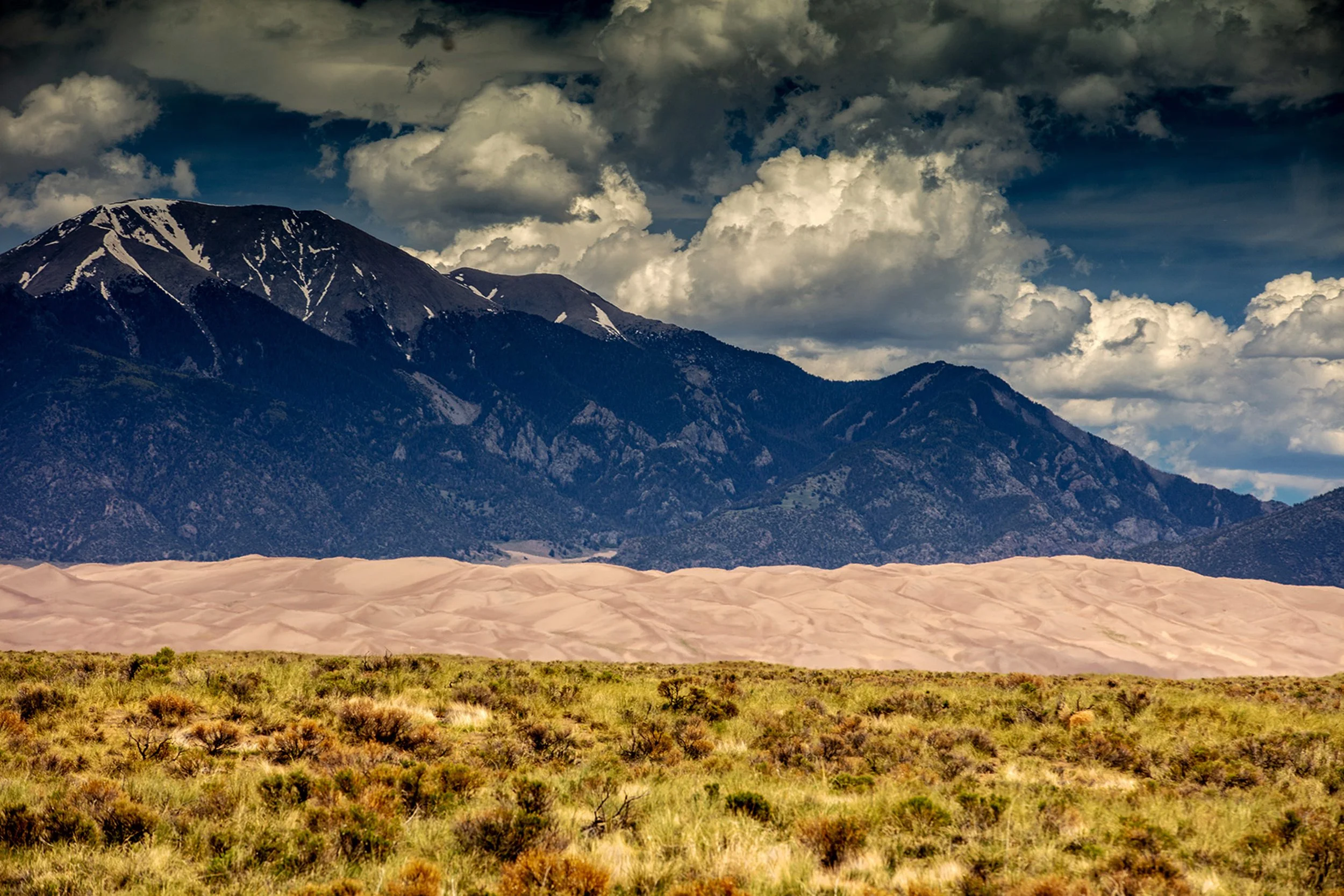
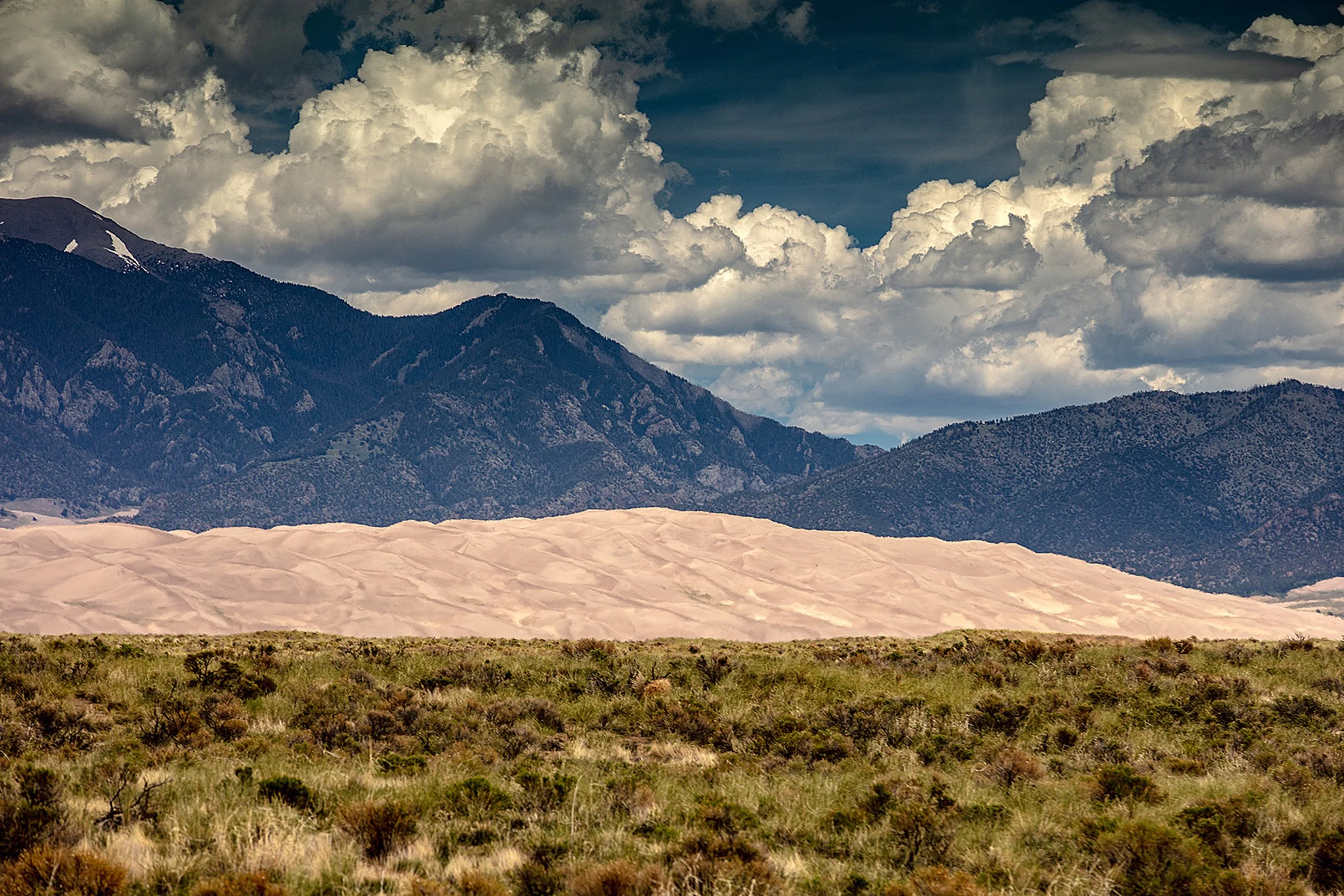
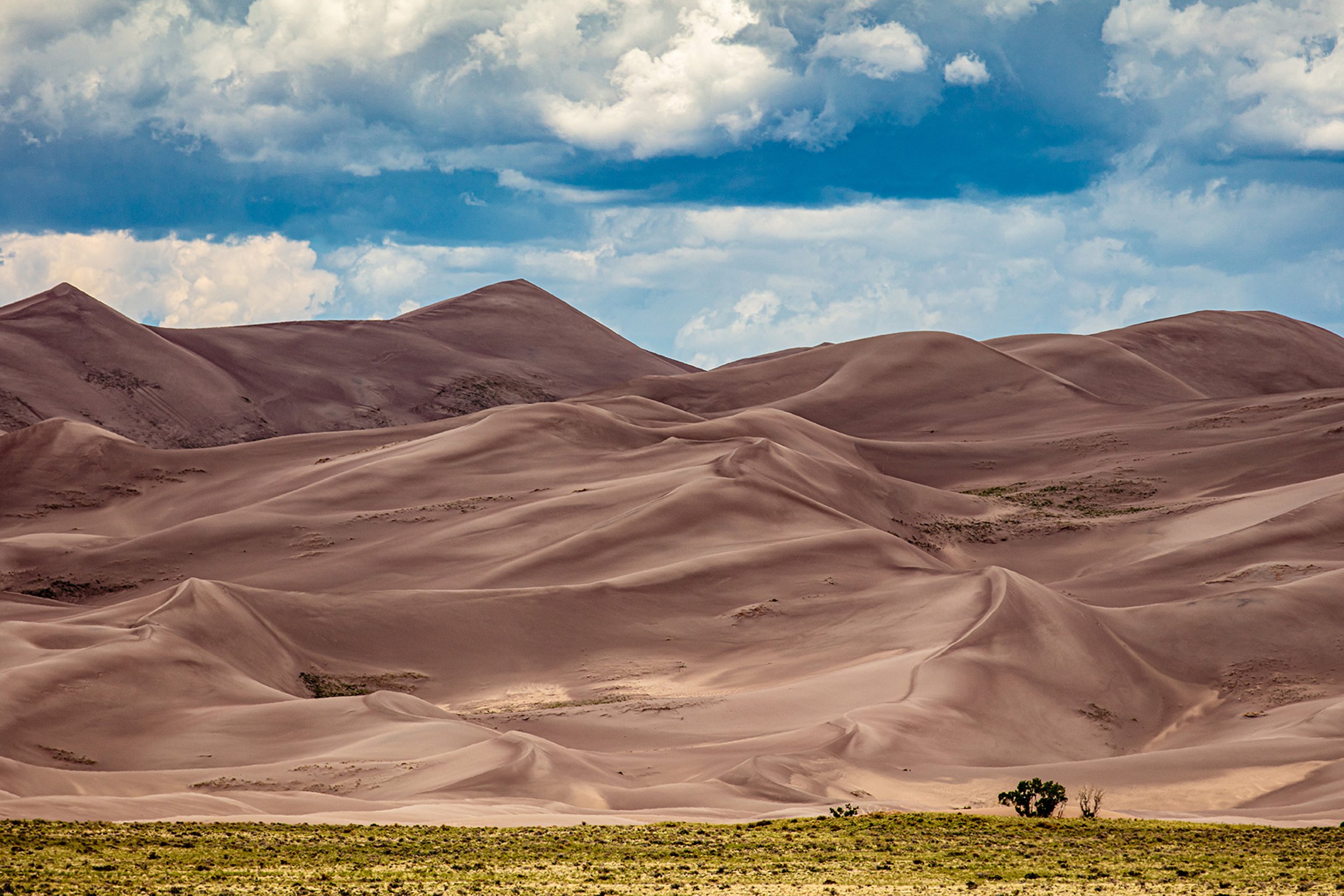
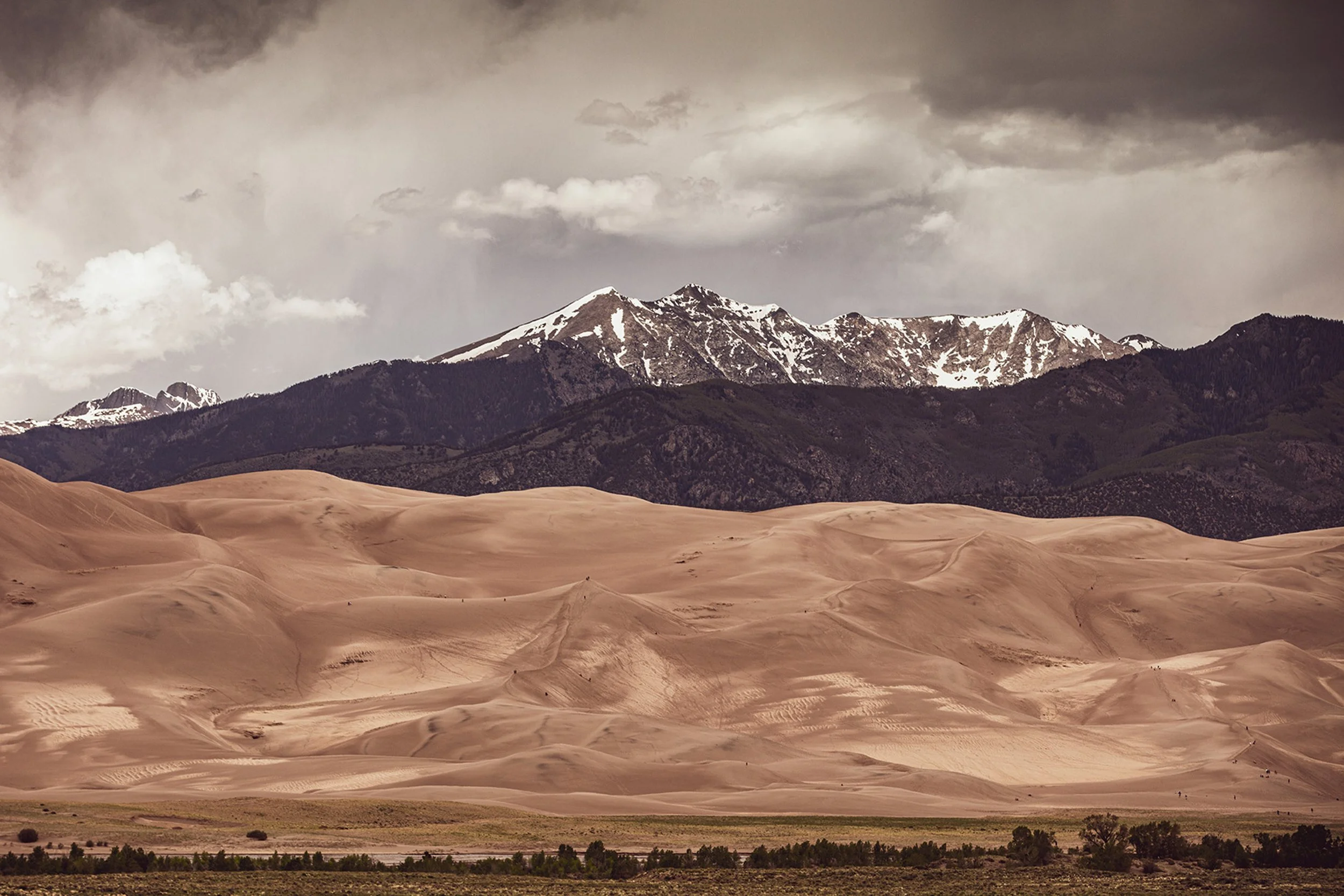
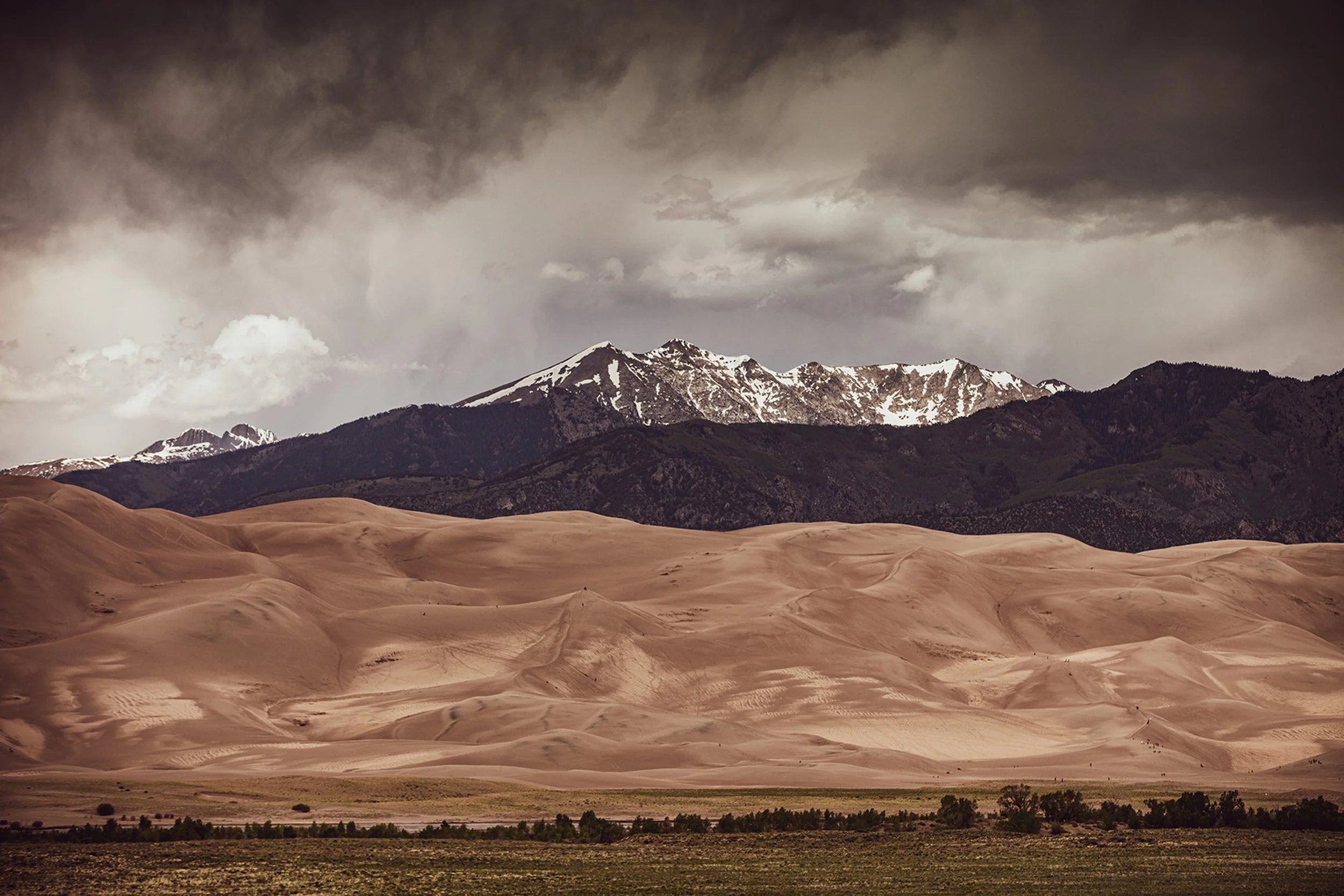
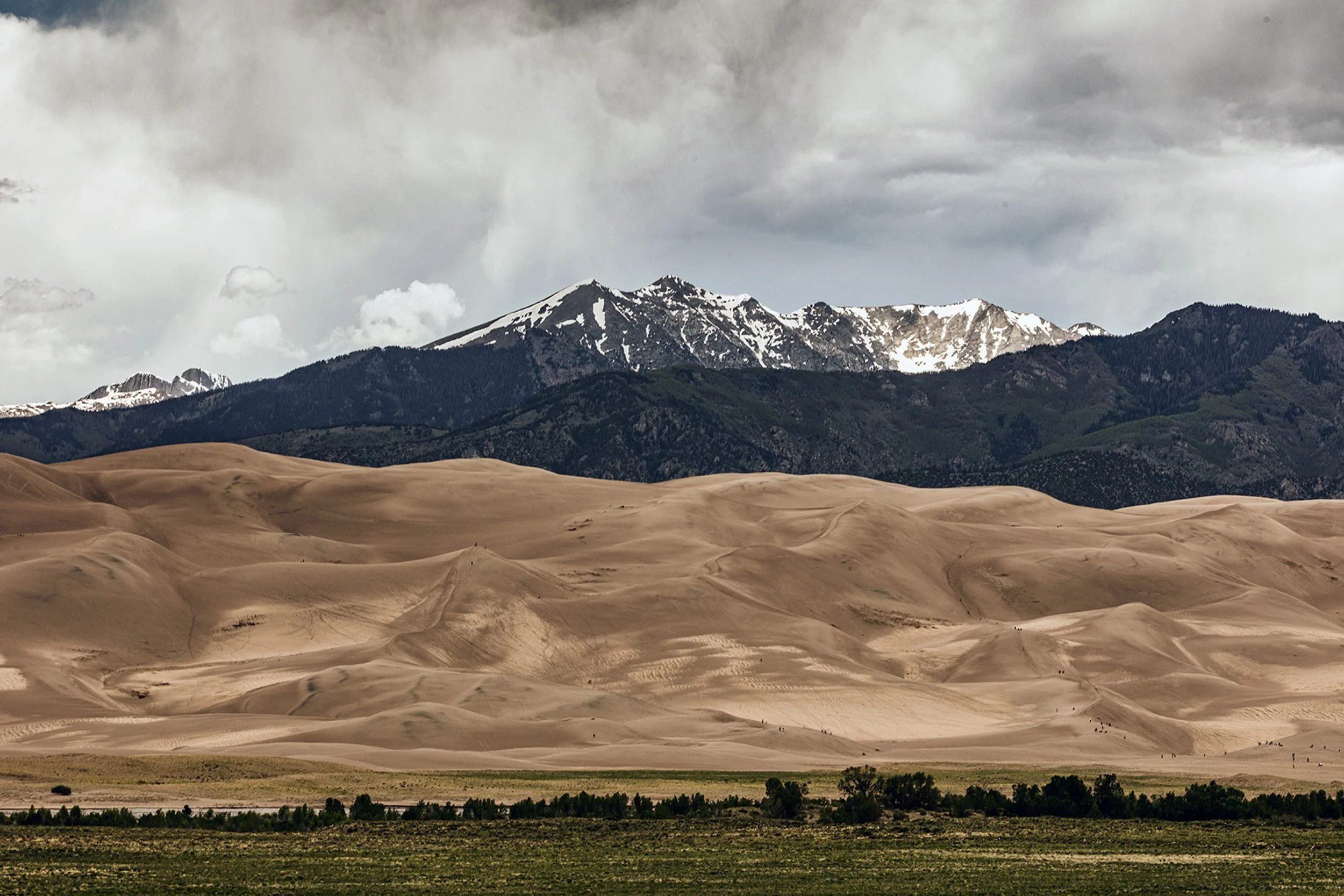
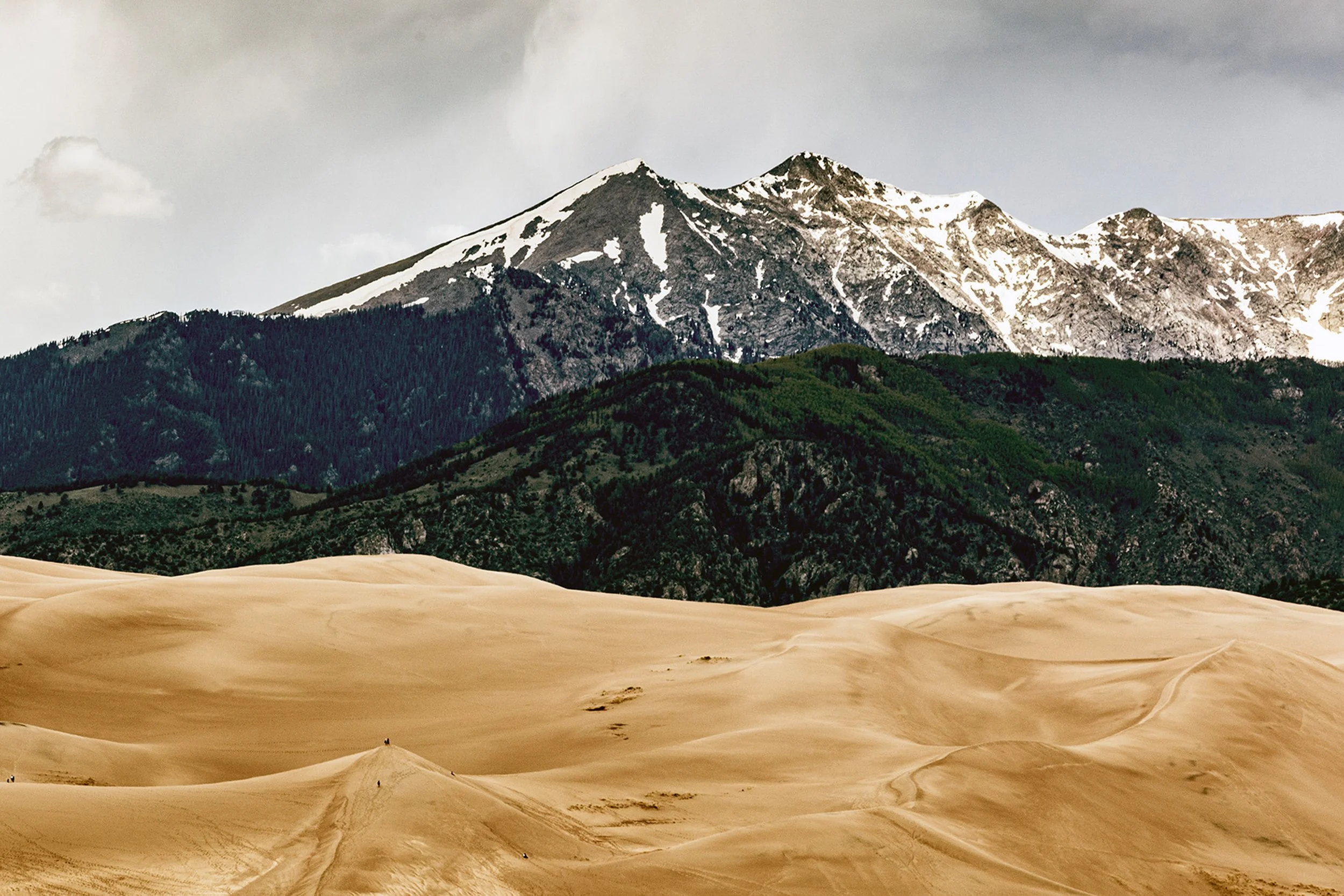
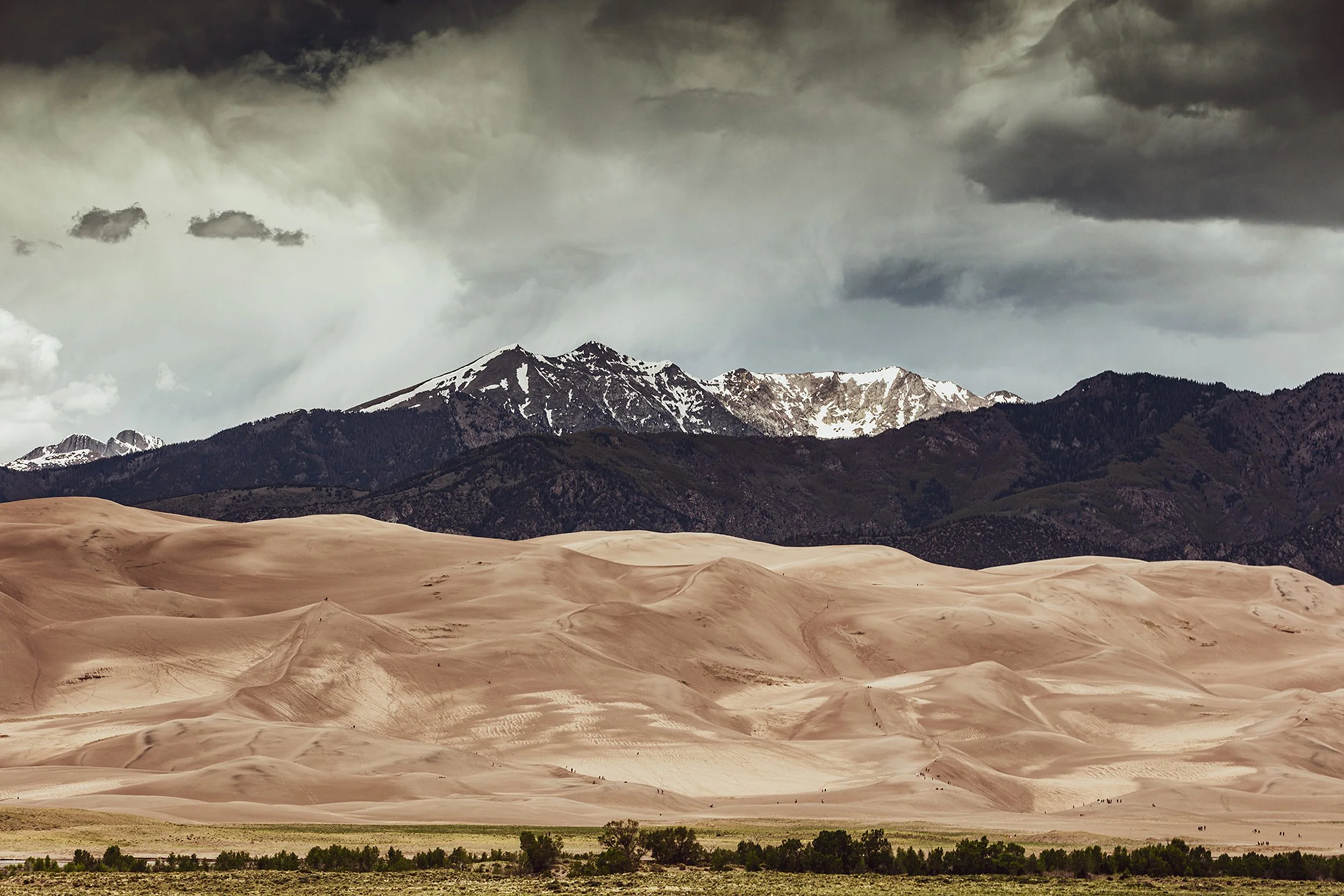
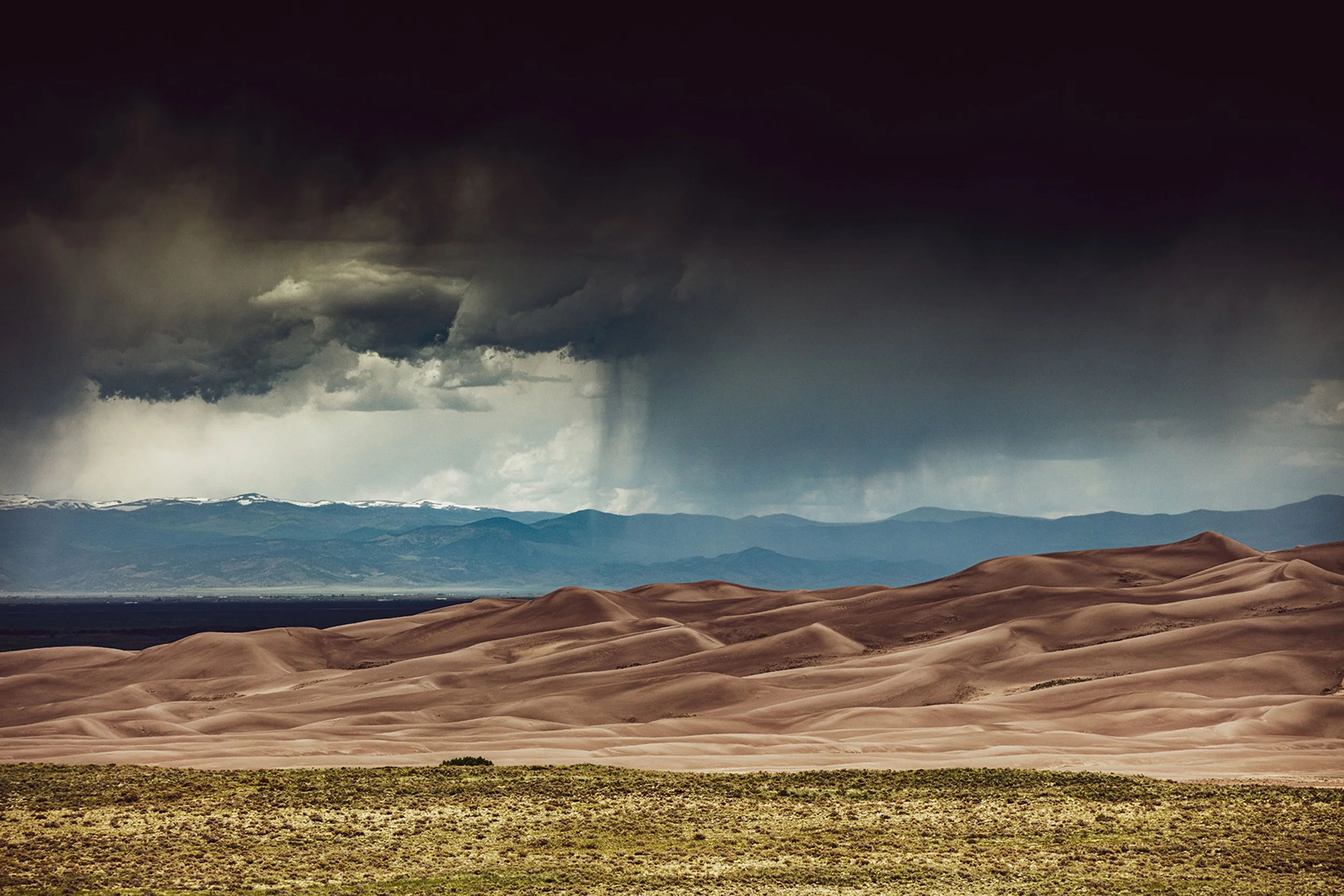
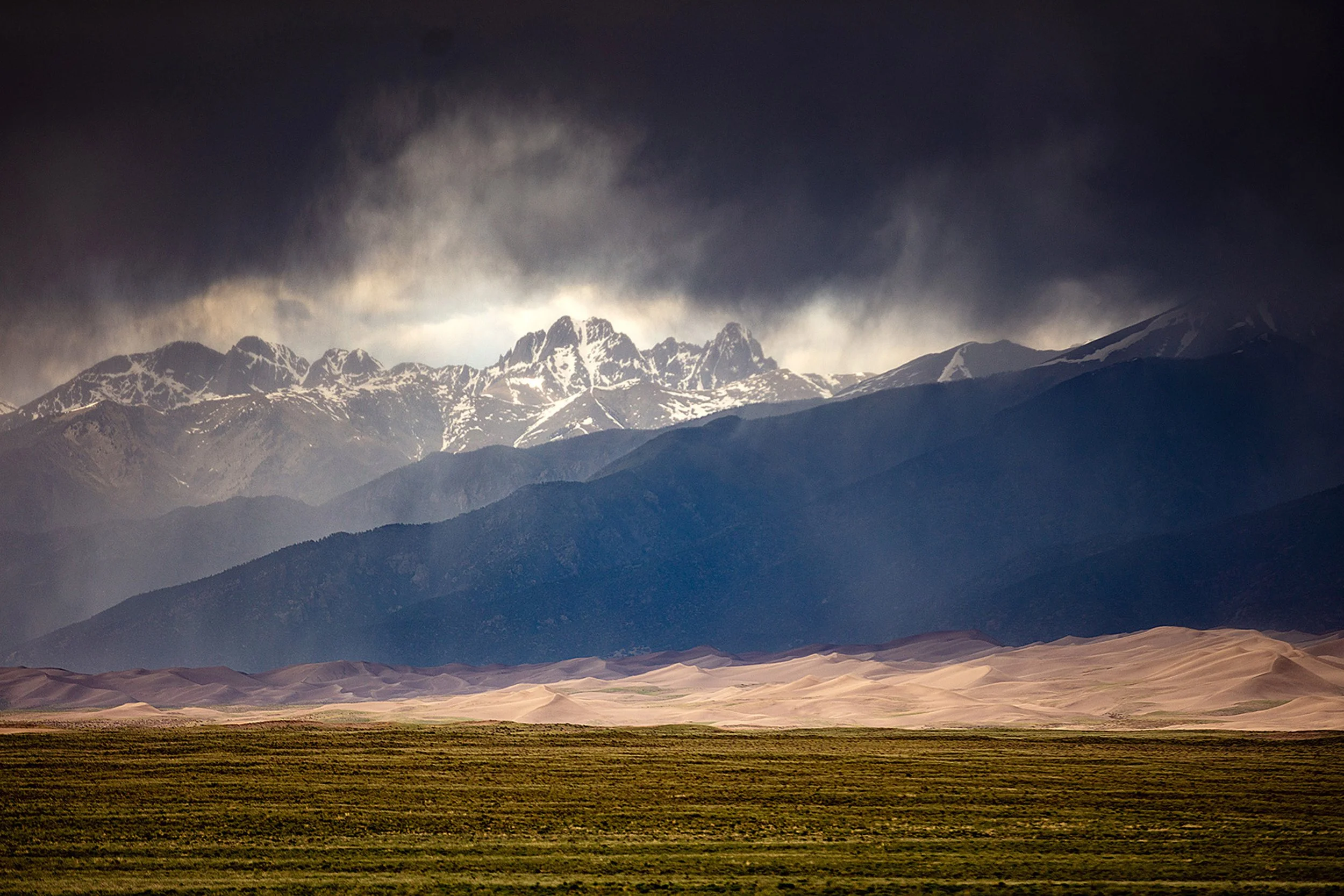
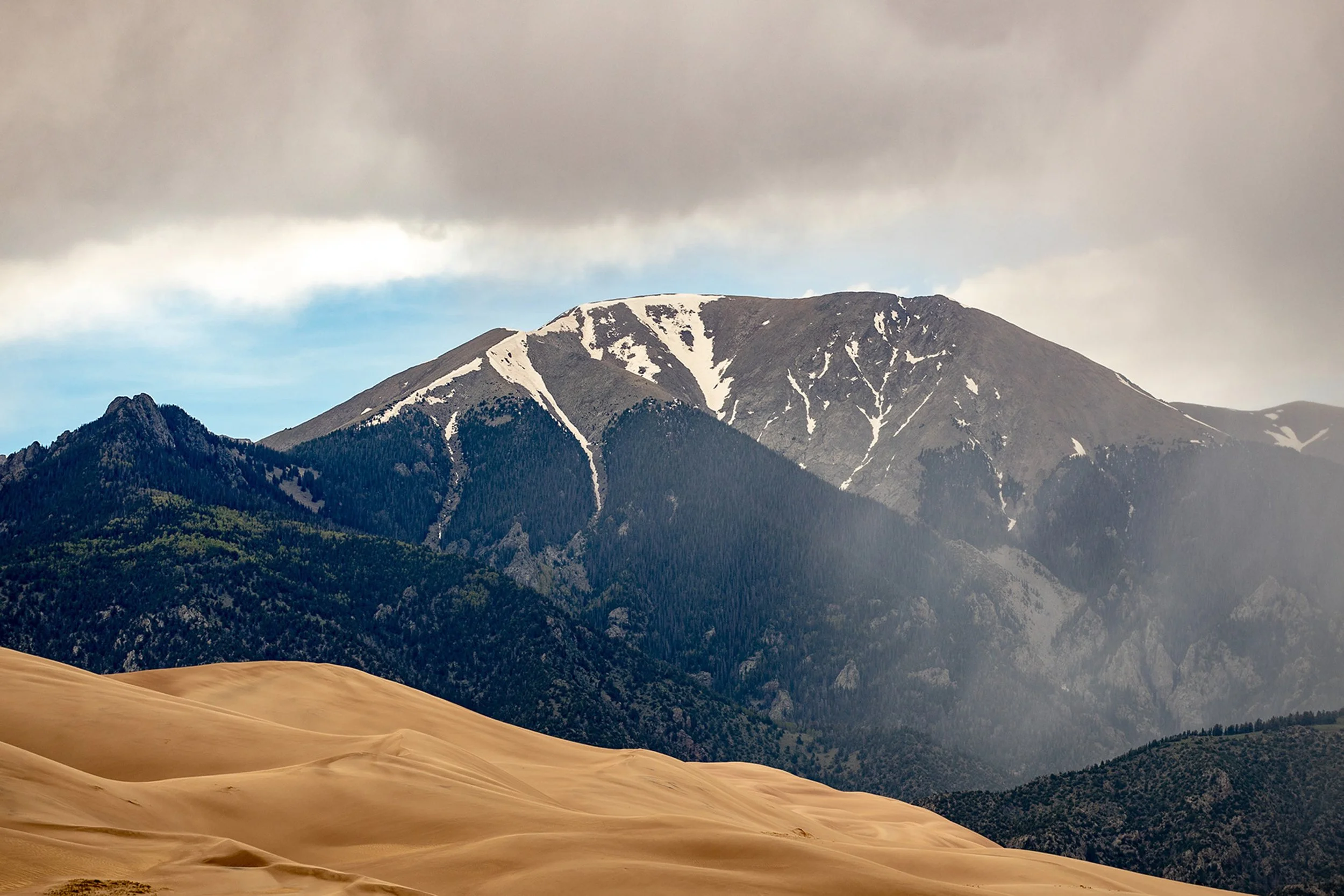
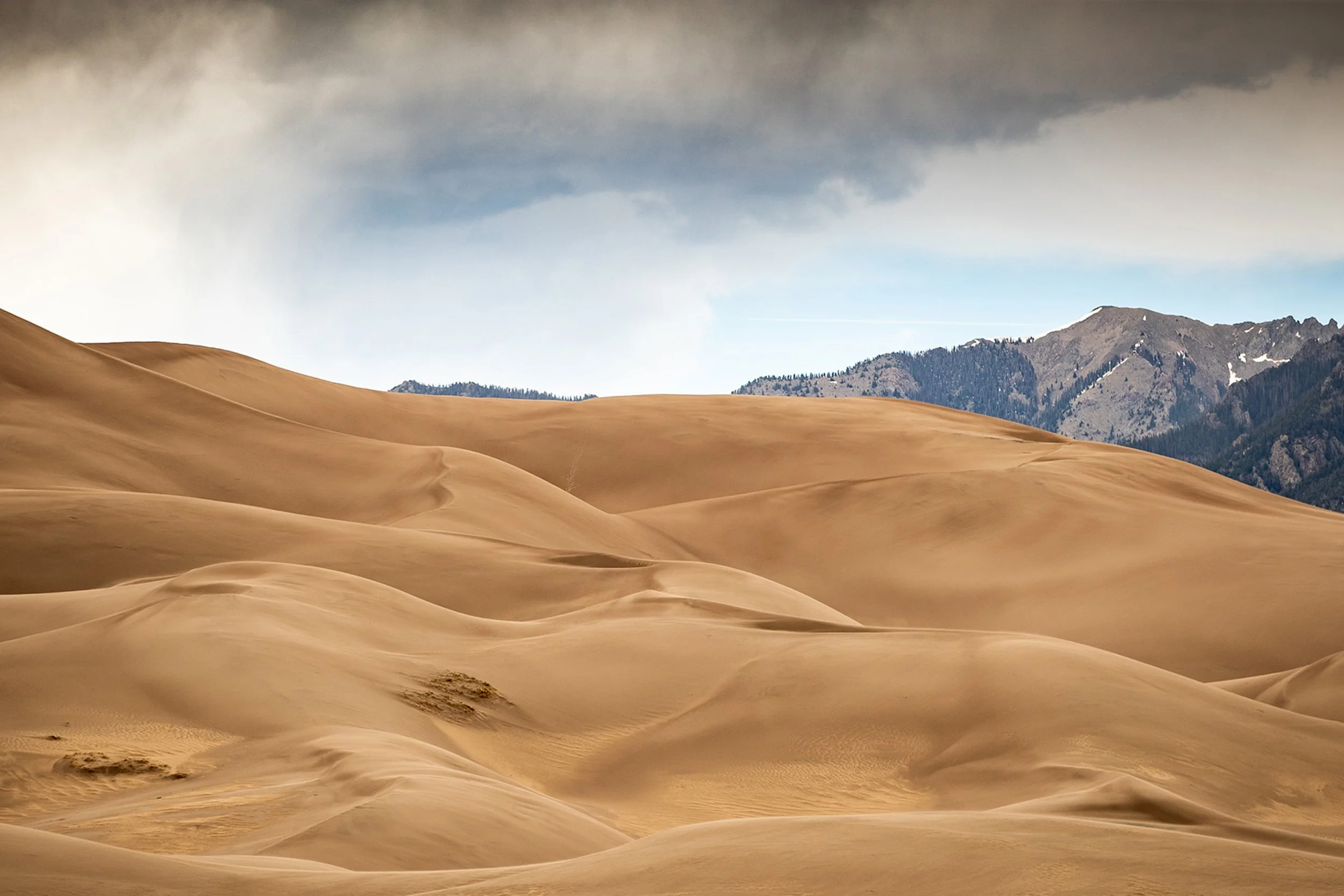
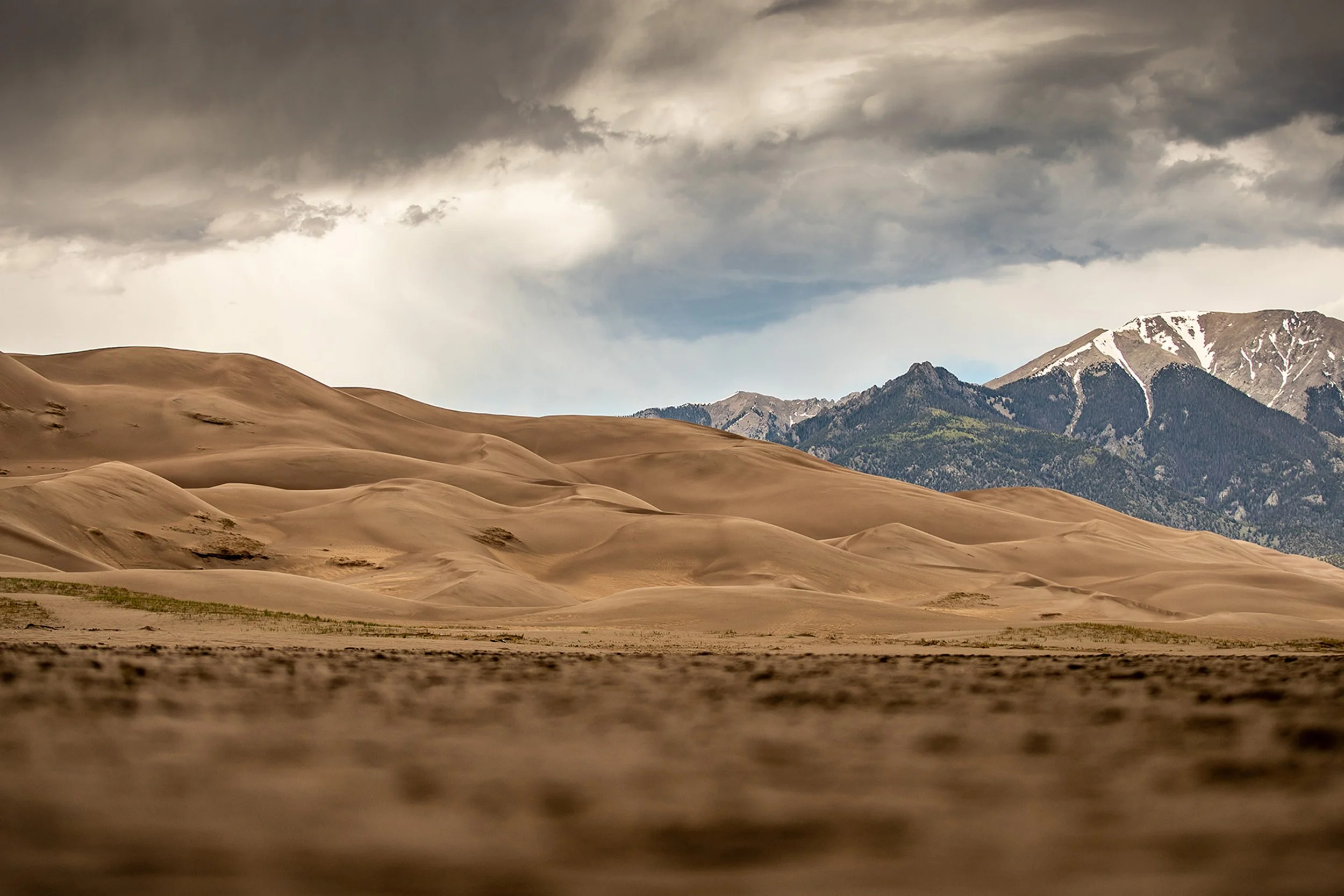
Some landscapes reveal their story slowly. Others announce themselves through scale, contrast, and motion. The Great Sand Dunes exist somewhere between — monumental yet minimalist, vast yet intimate. Rising from Colorado’s high desert against the dramatic backdrop of the Sangre de Cristo Mountains, these dunes feel like a meeting point between earth and sky, stillness and movement.
For a fine art photographer, the dunes are not simply terrain; they are an ever-changing canvas shaped by wind, light, and time.
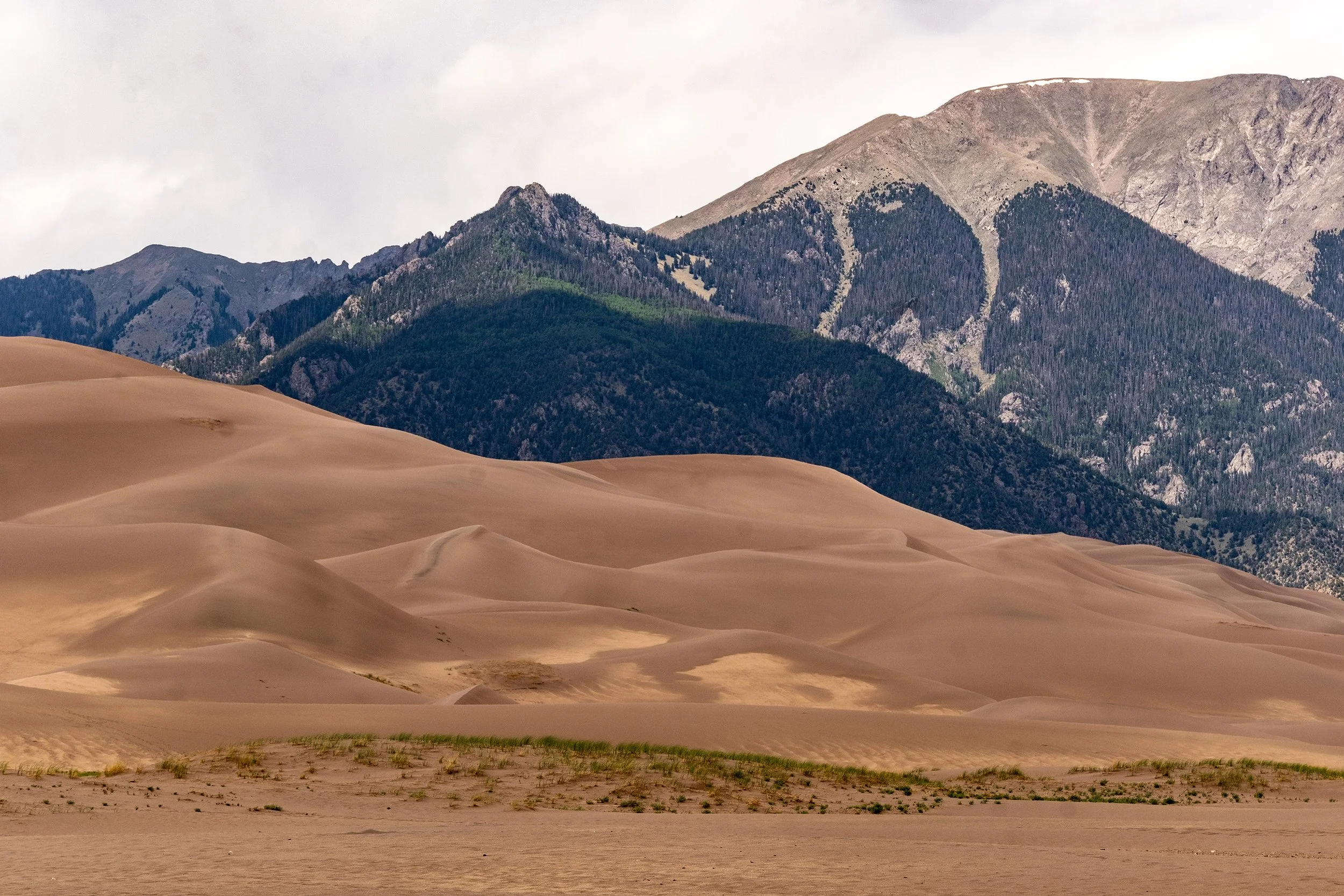
Where Sand Meets Sky
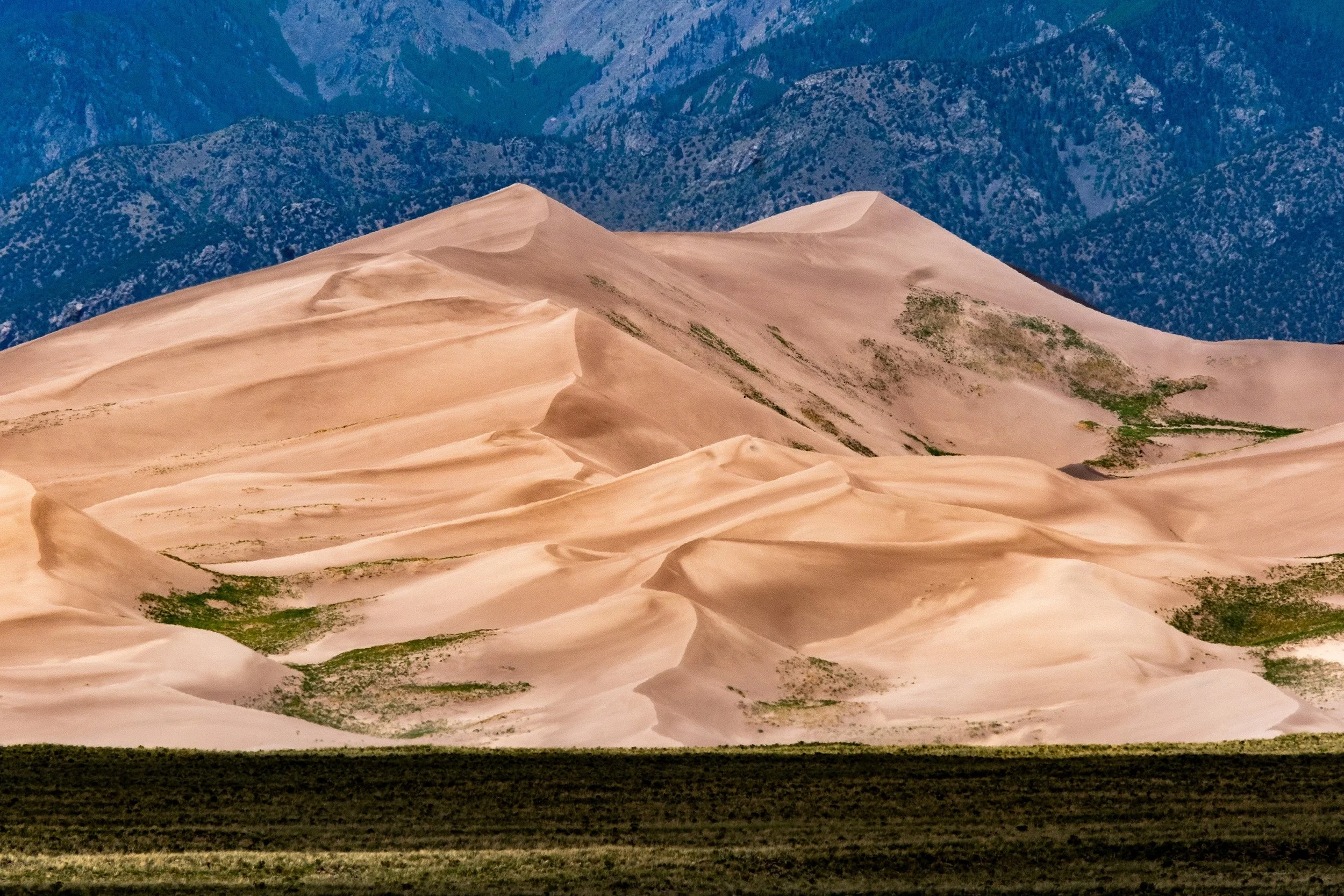
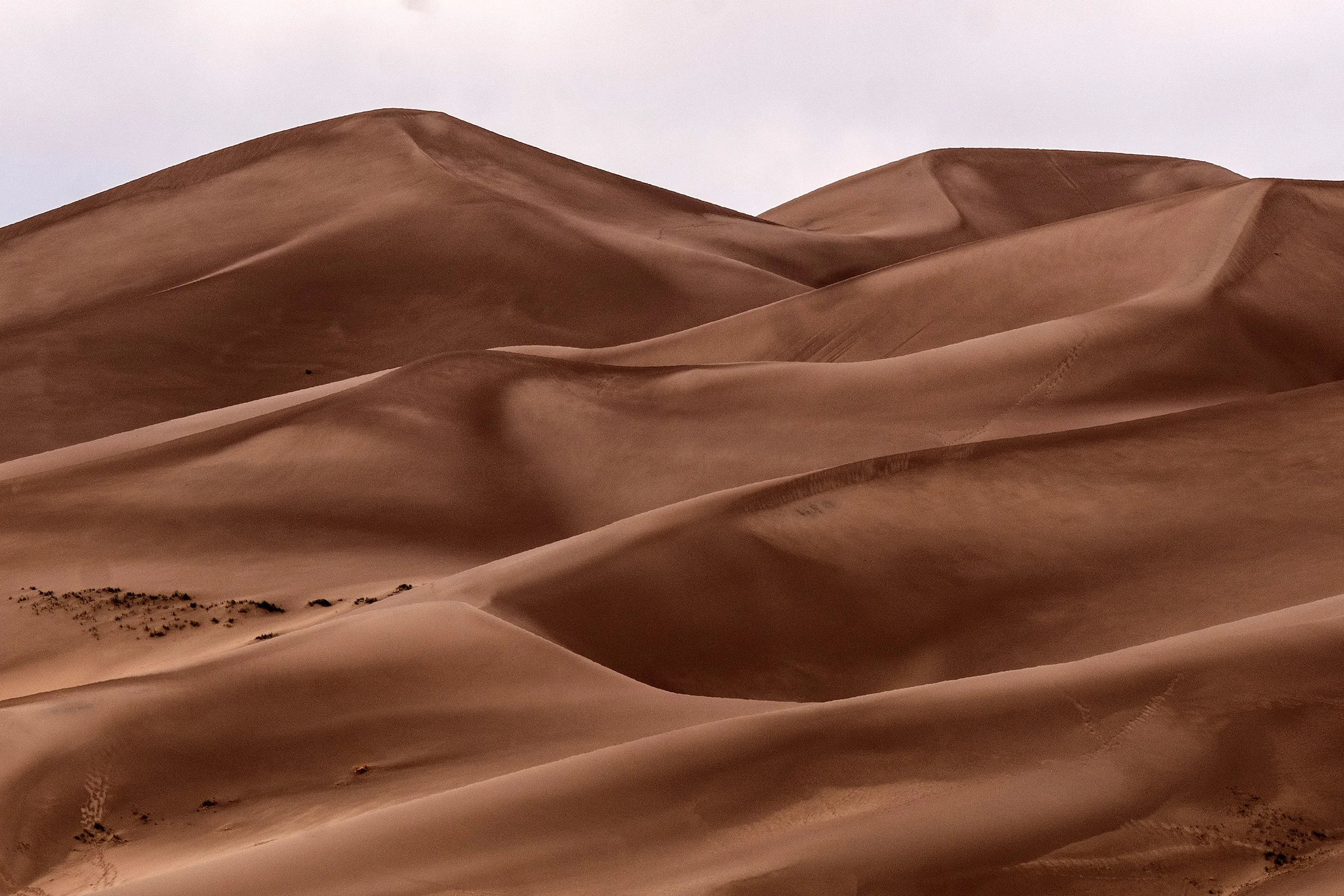
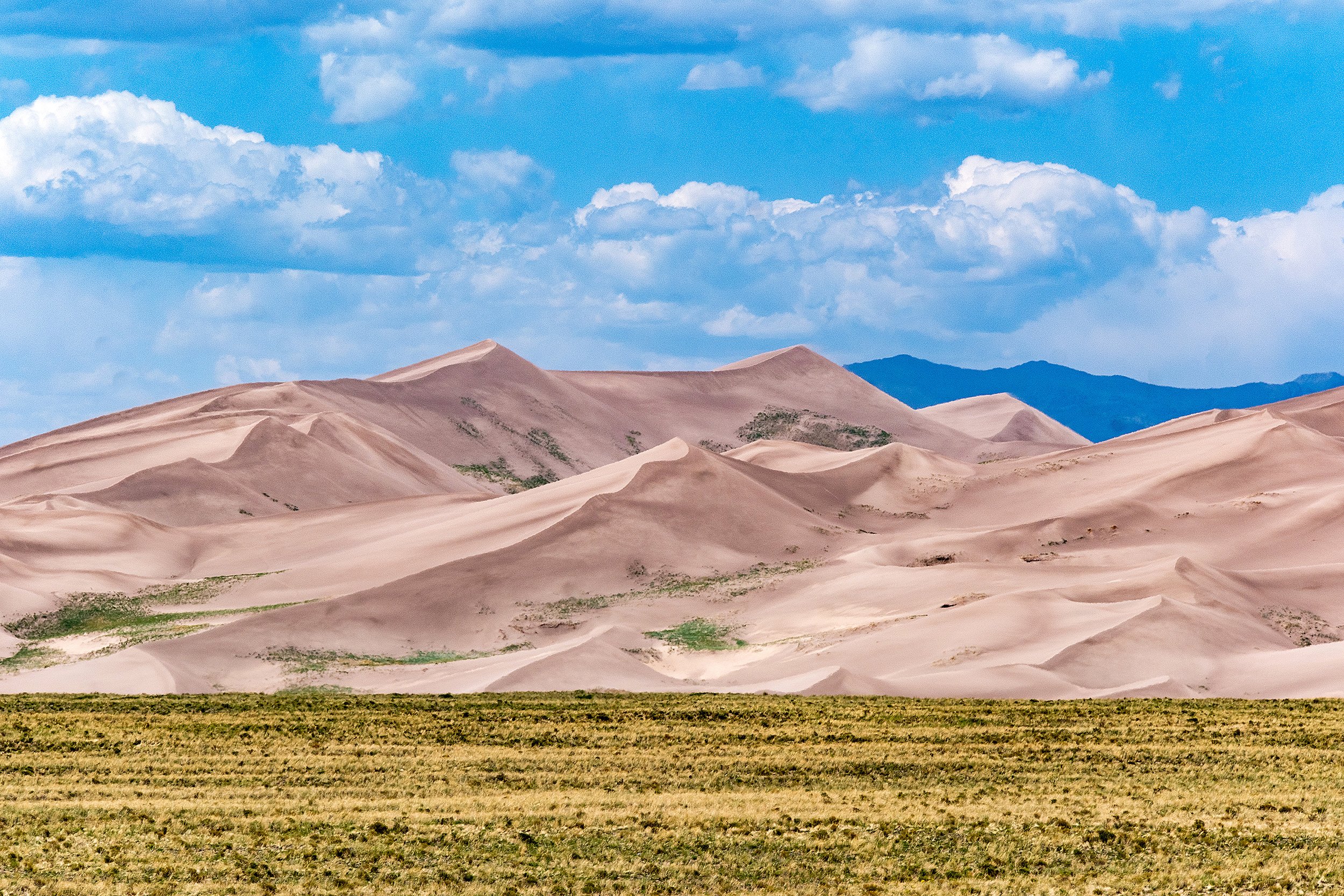
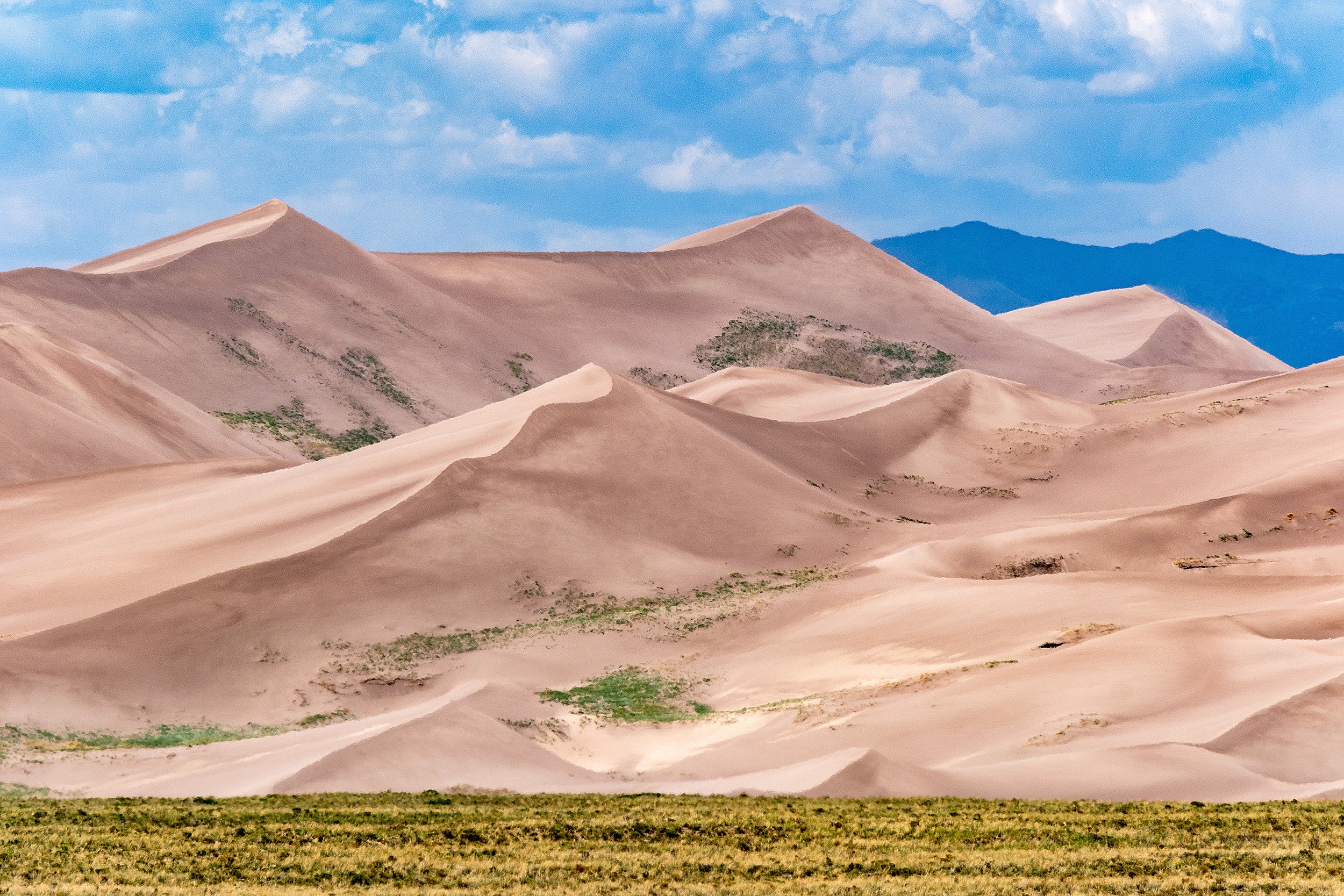
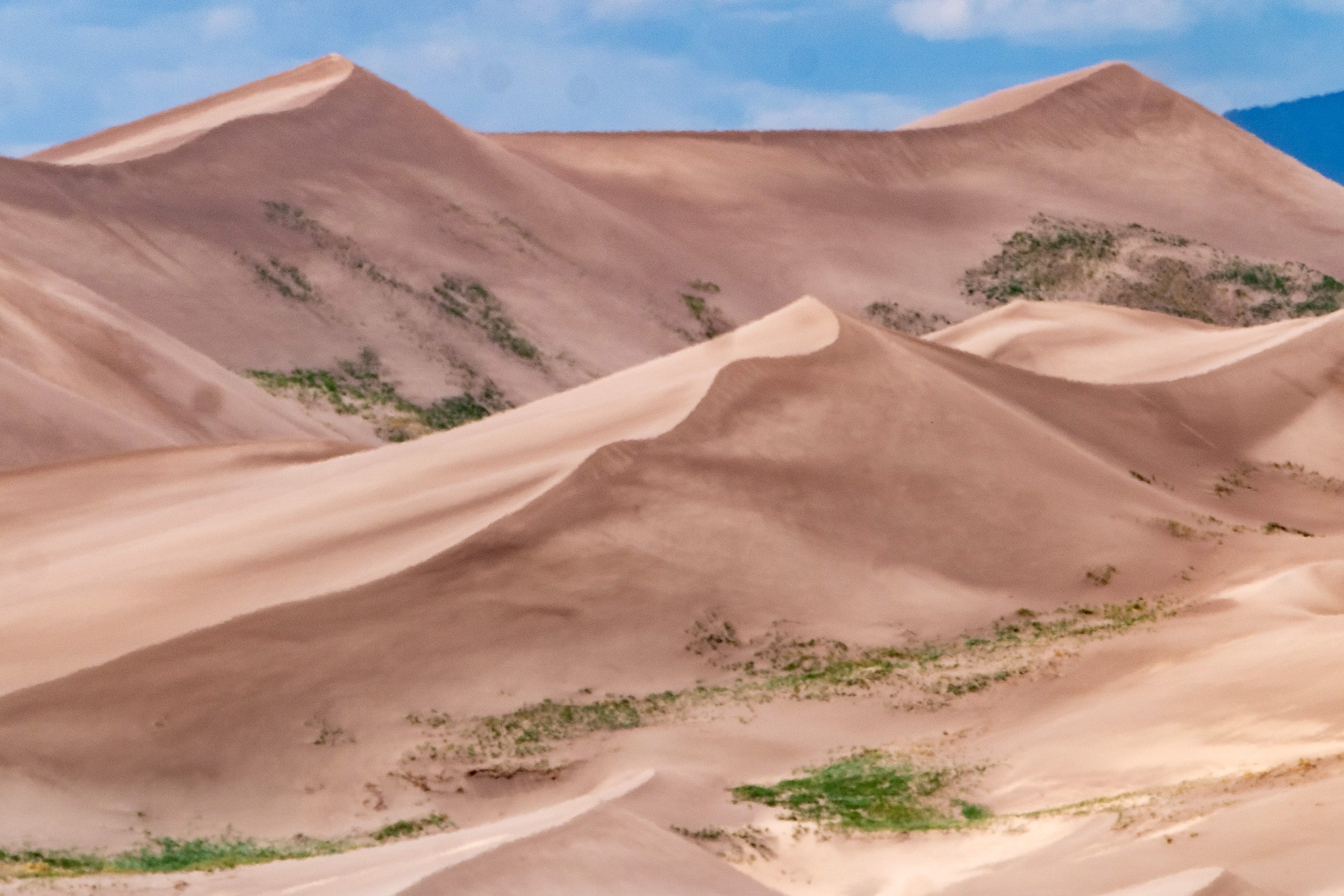
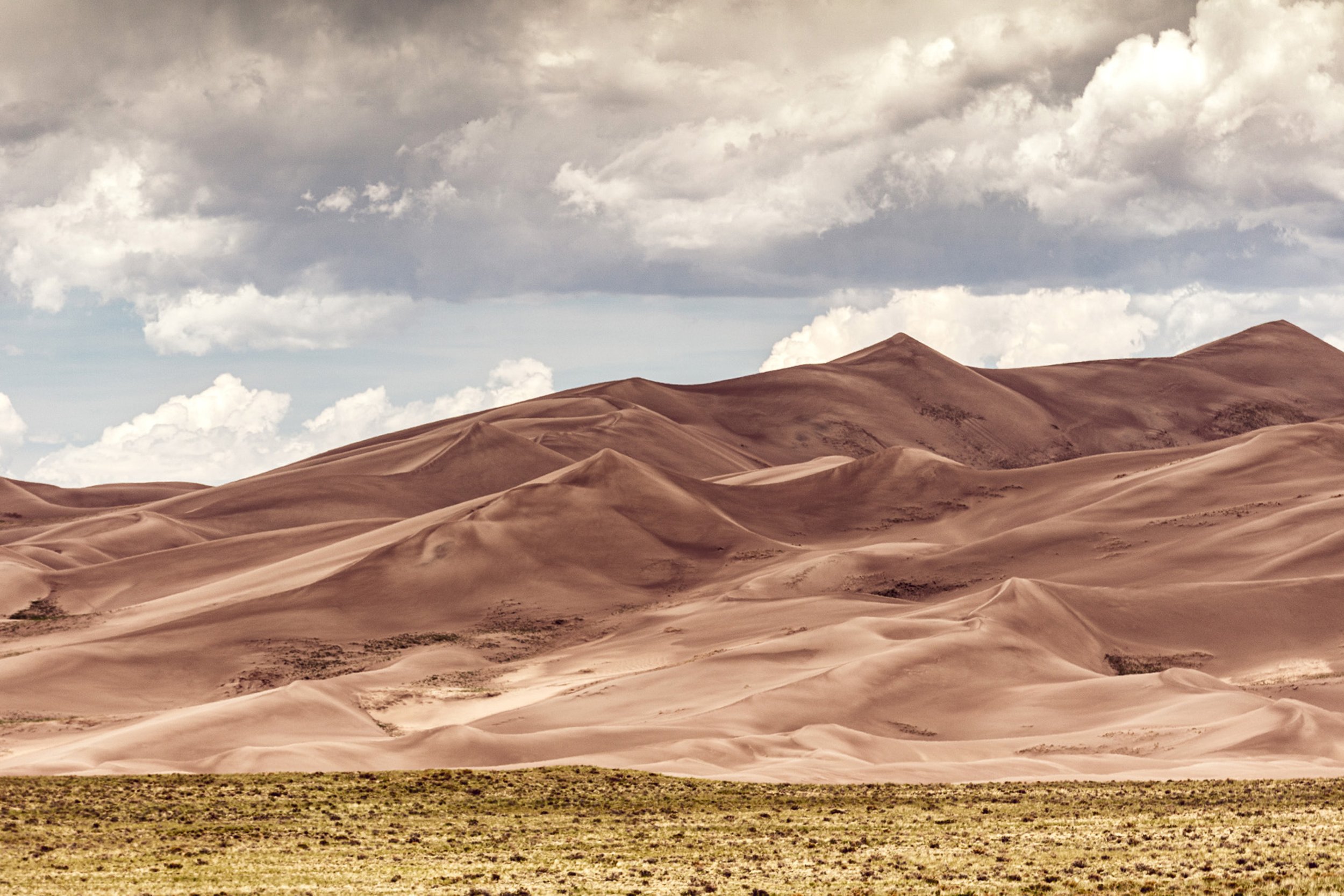
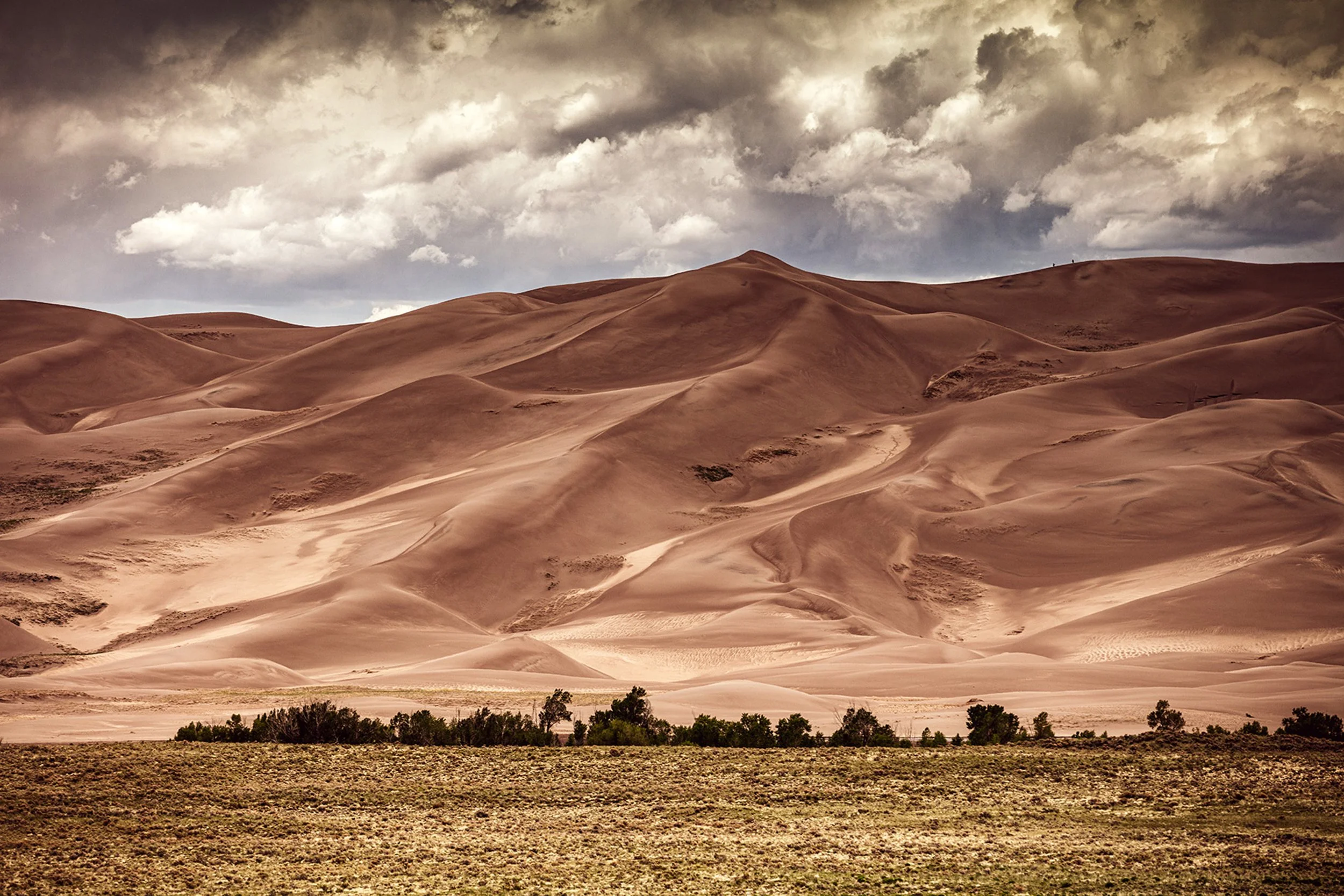
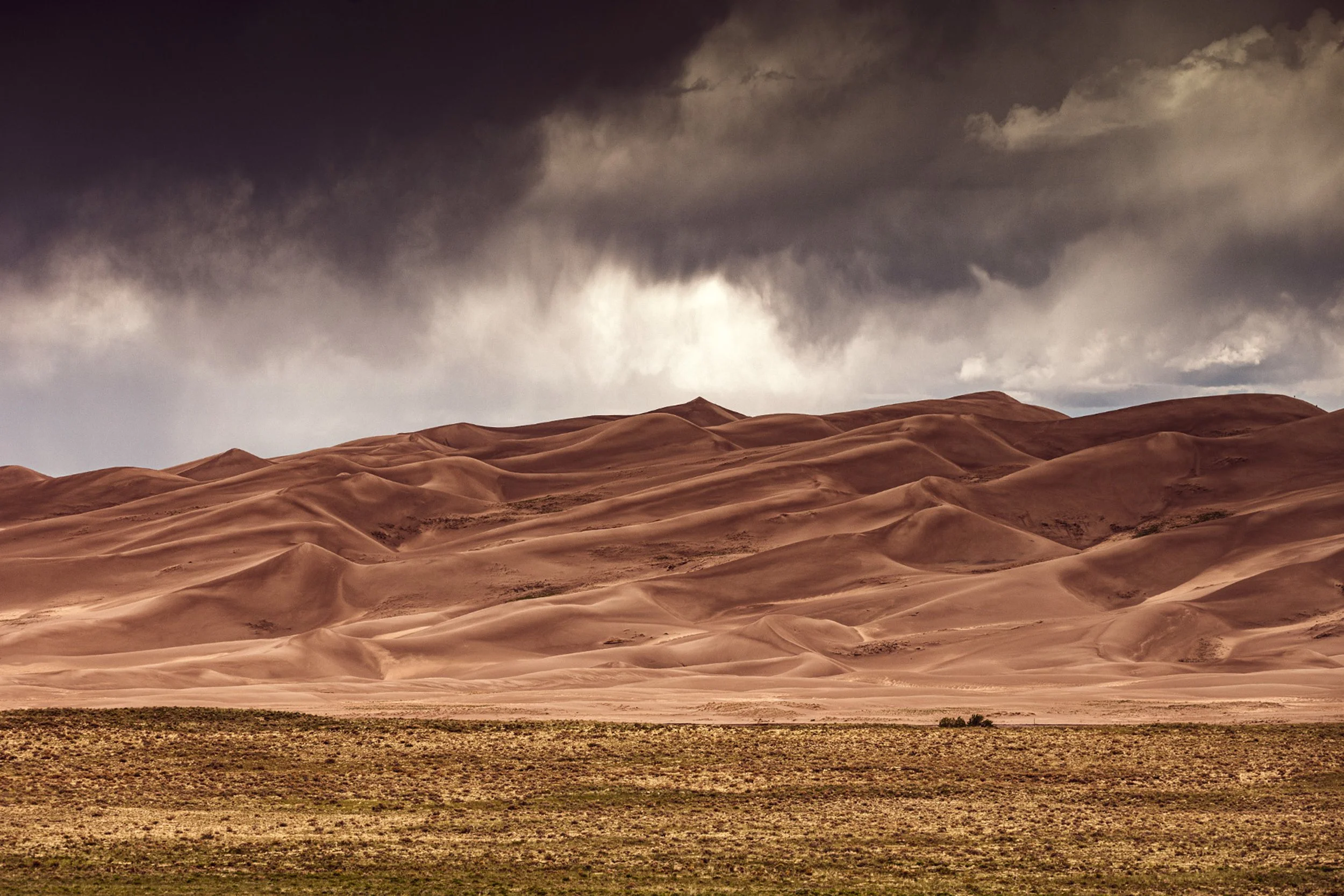
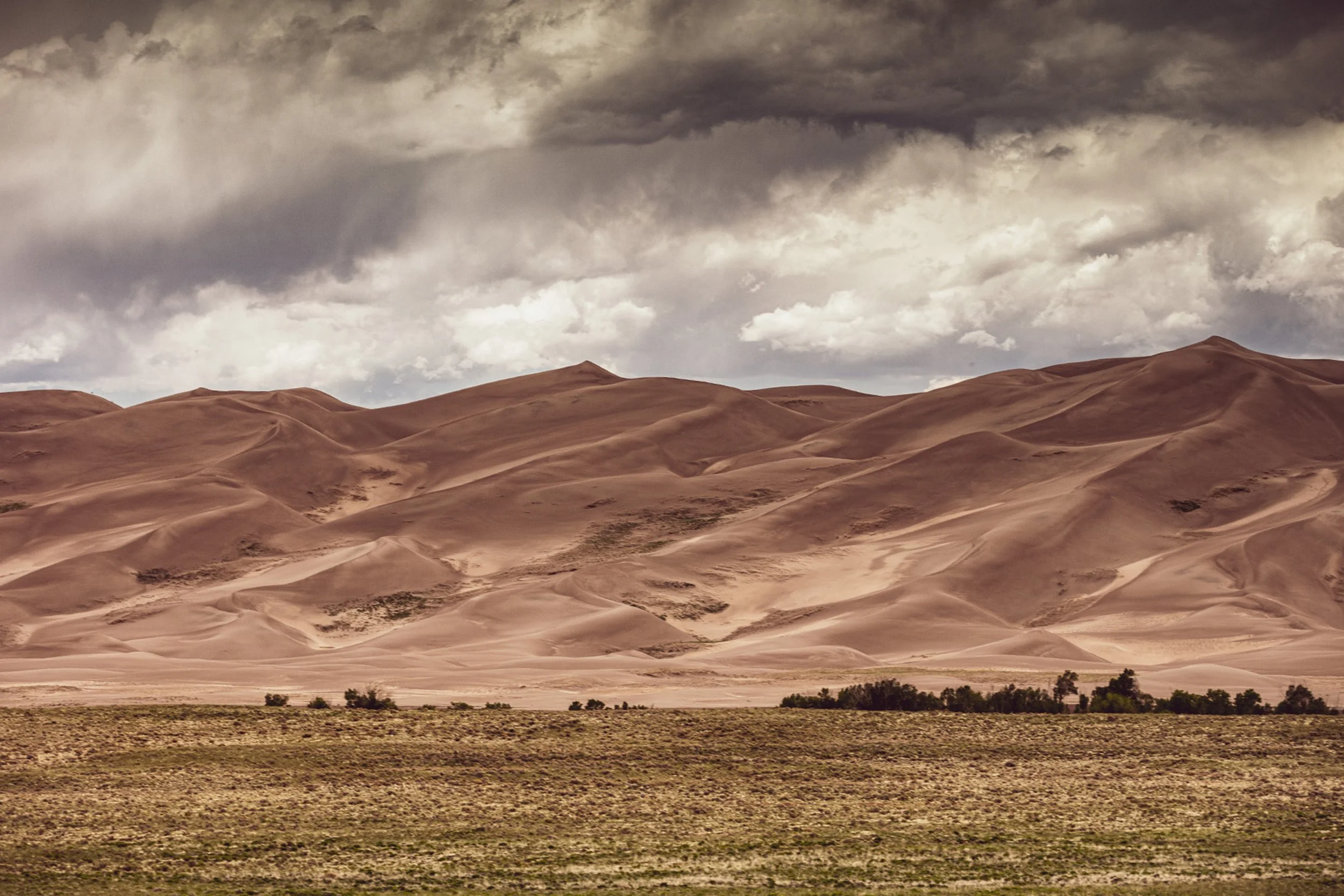
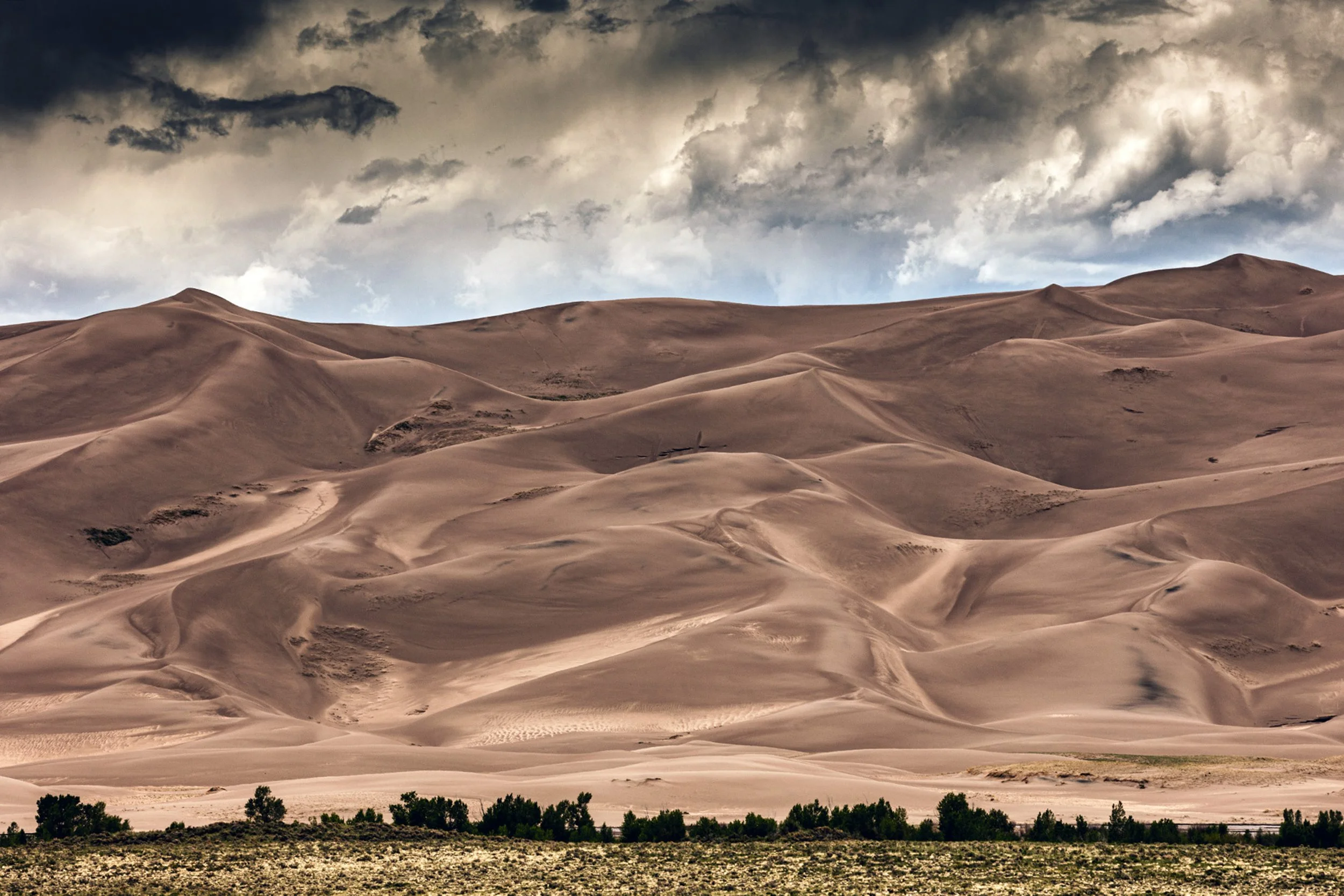
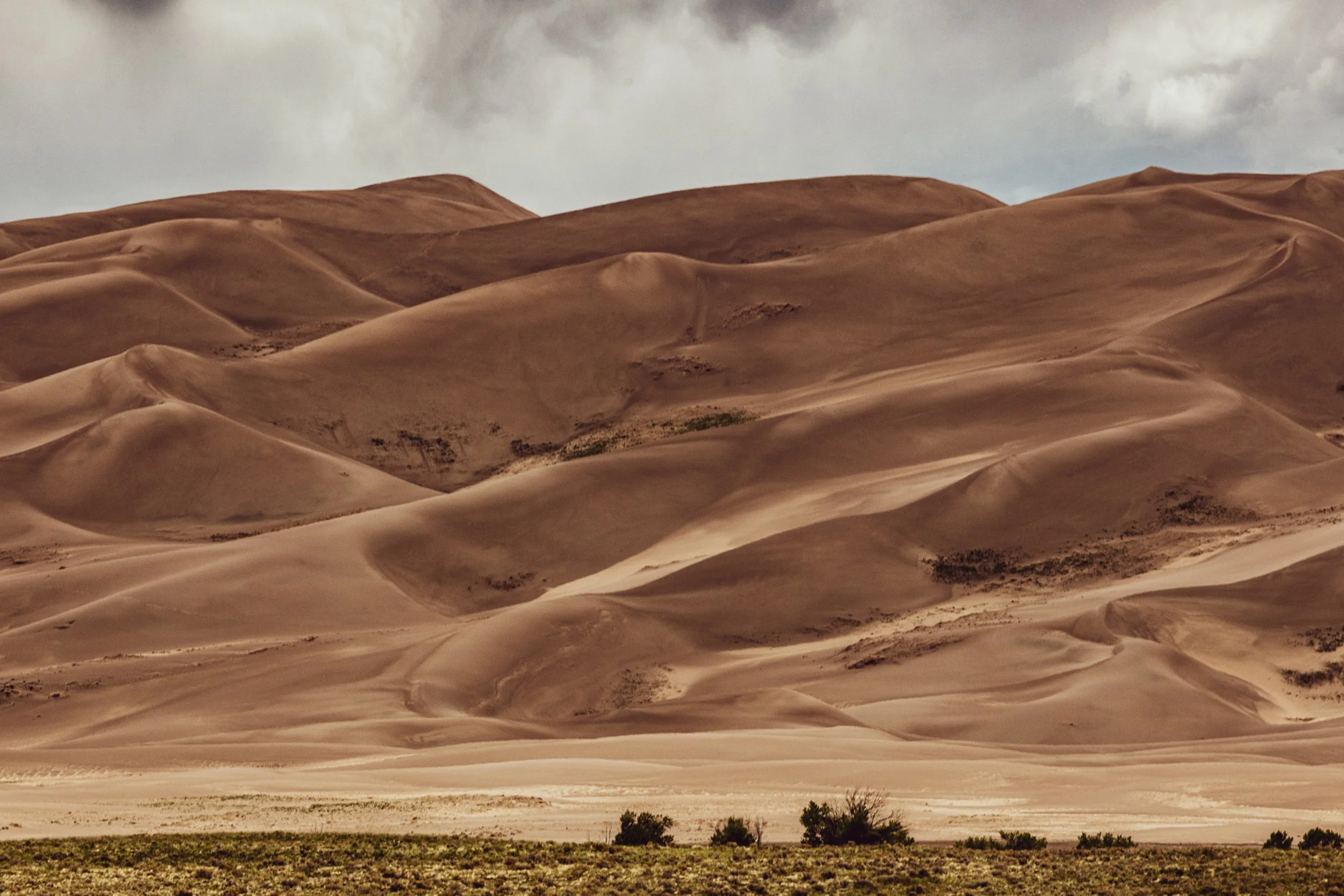
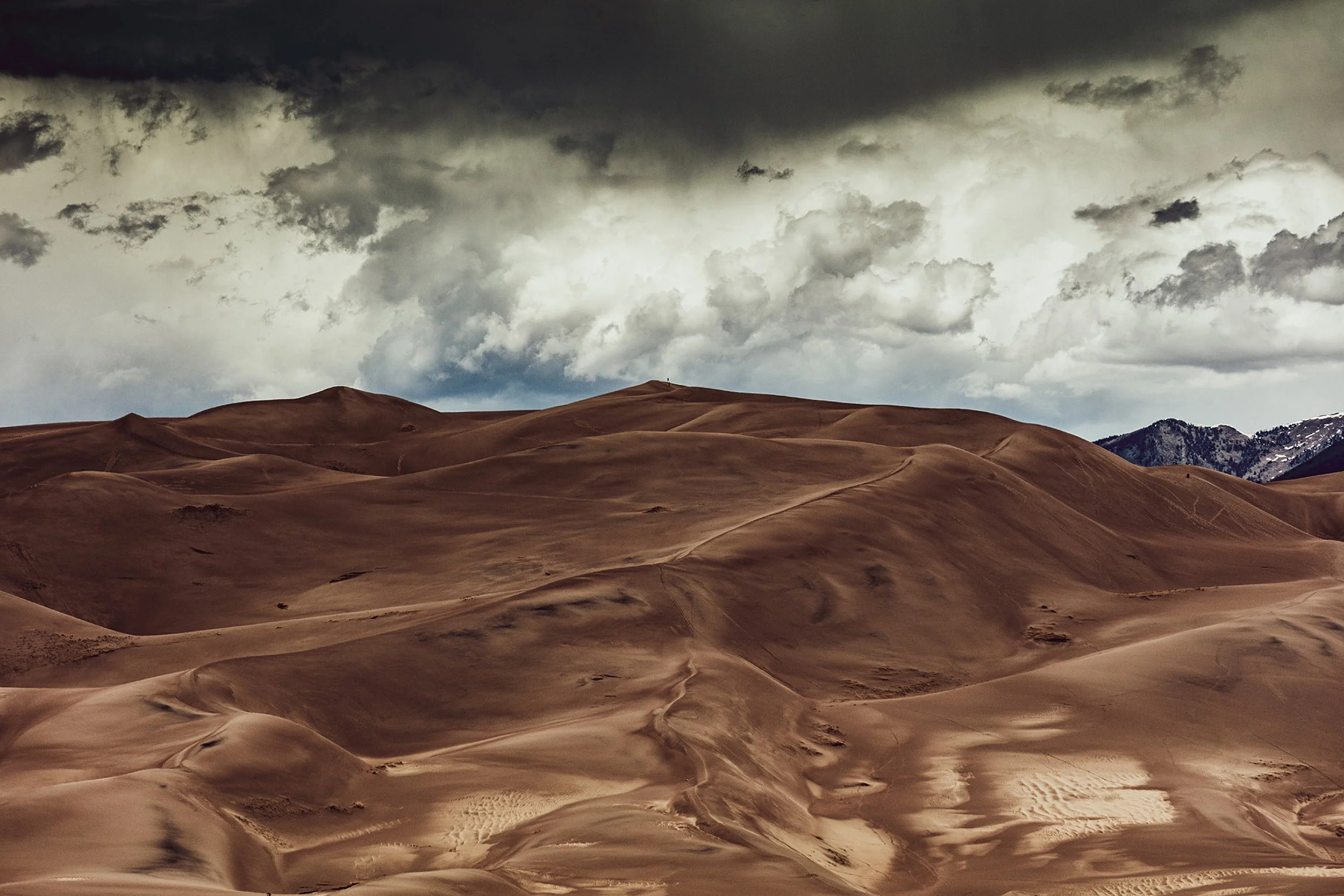
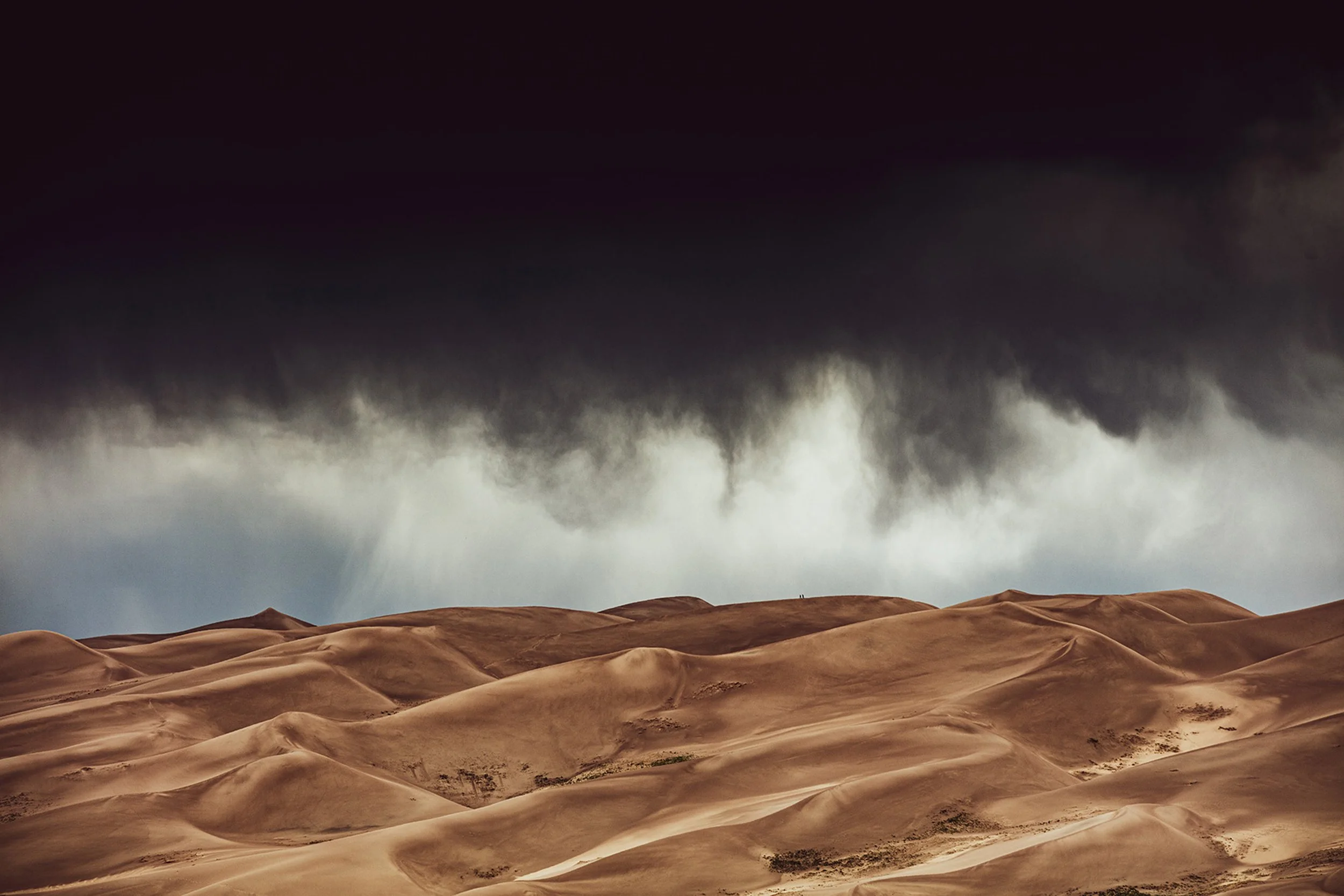
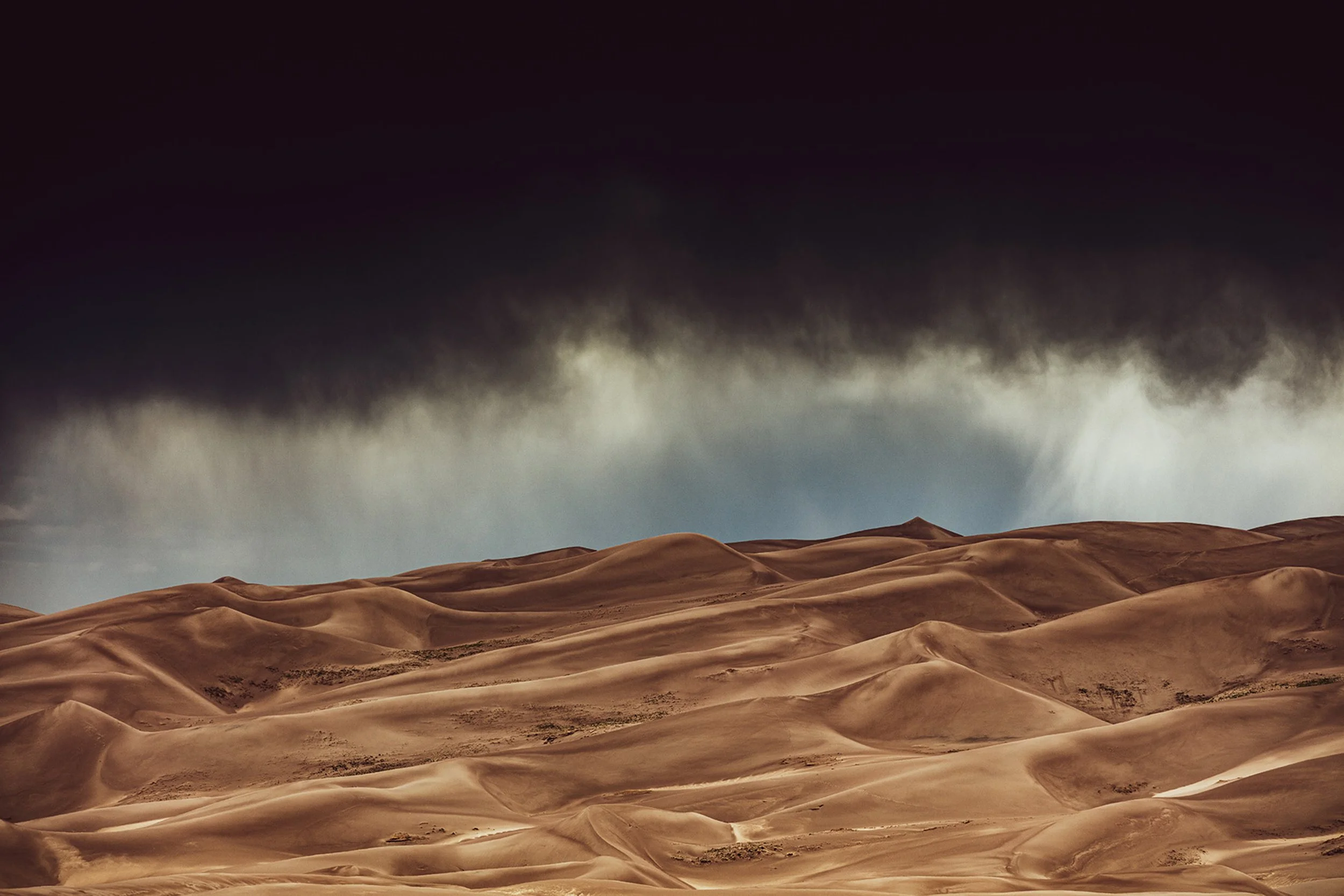
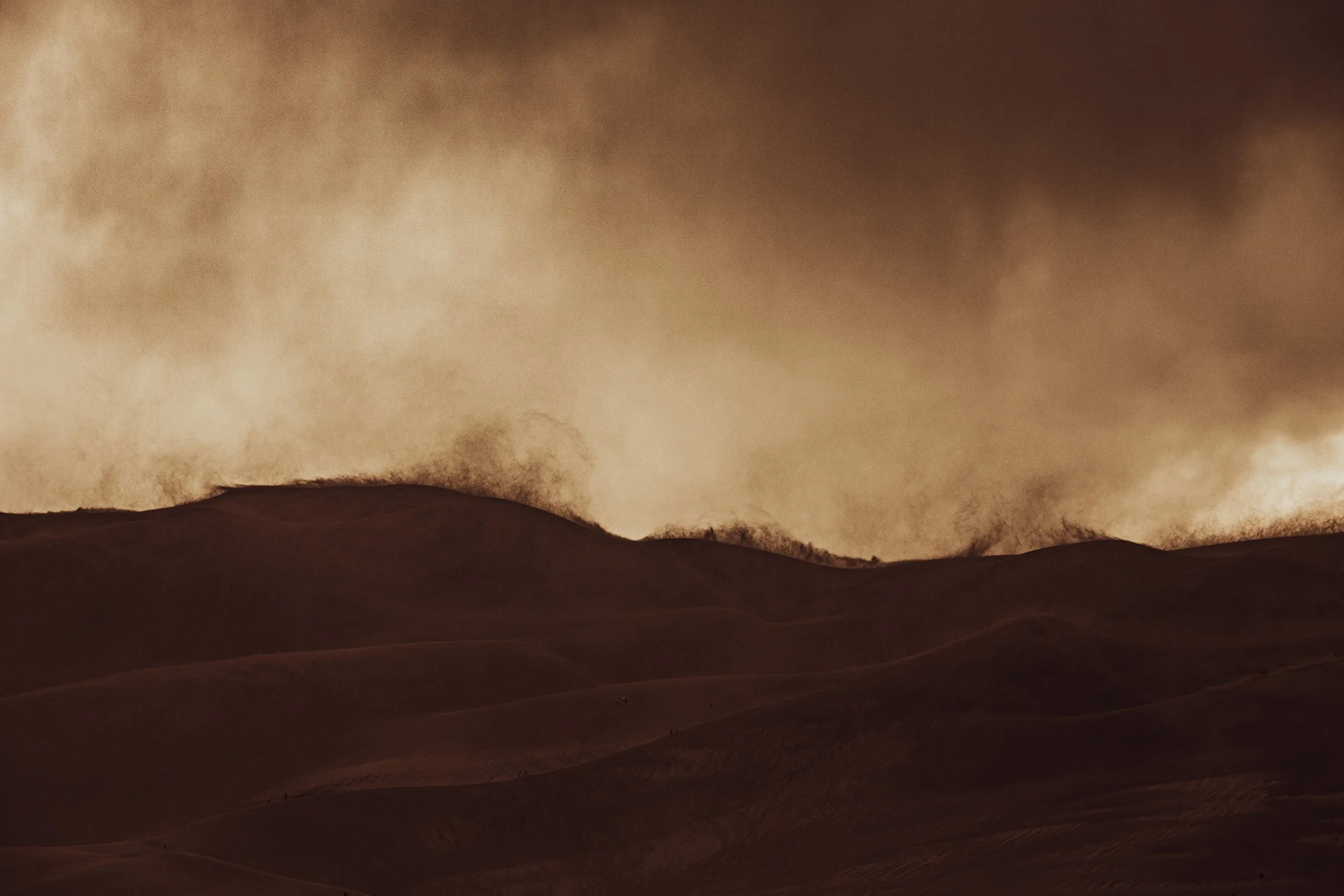
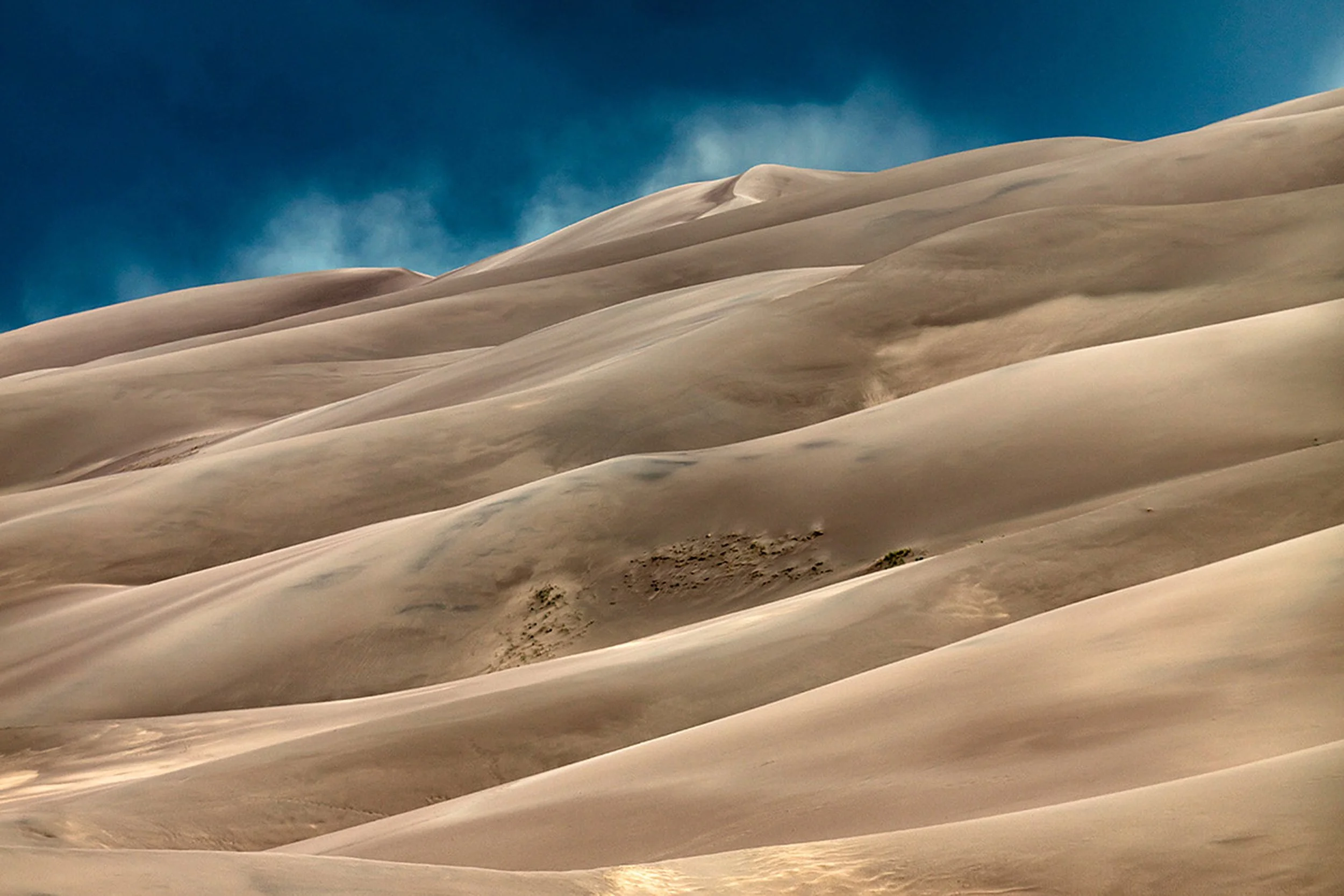
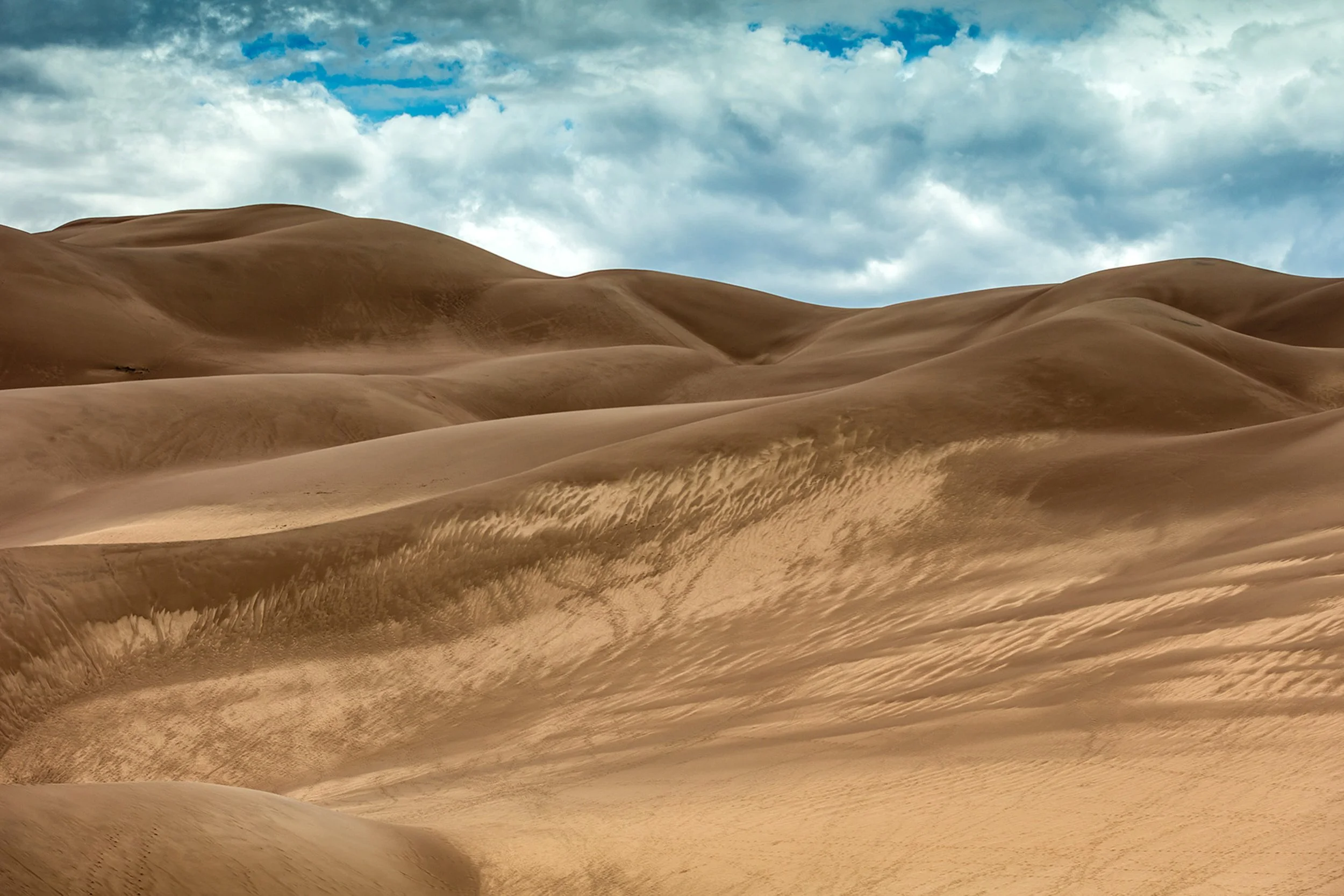
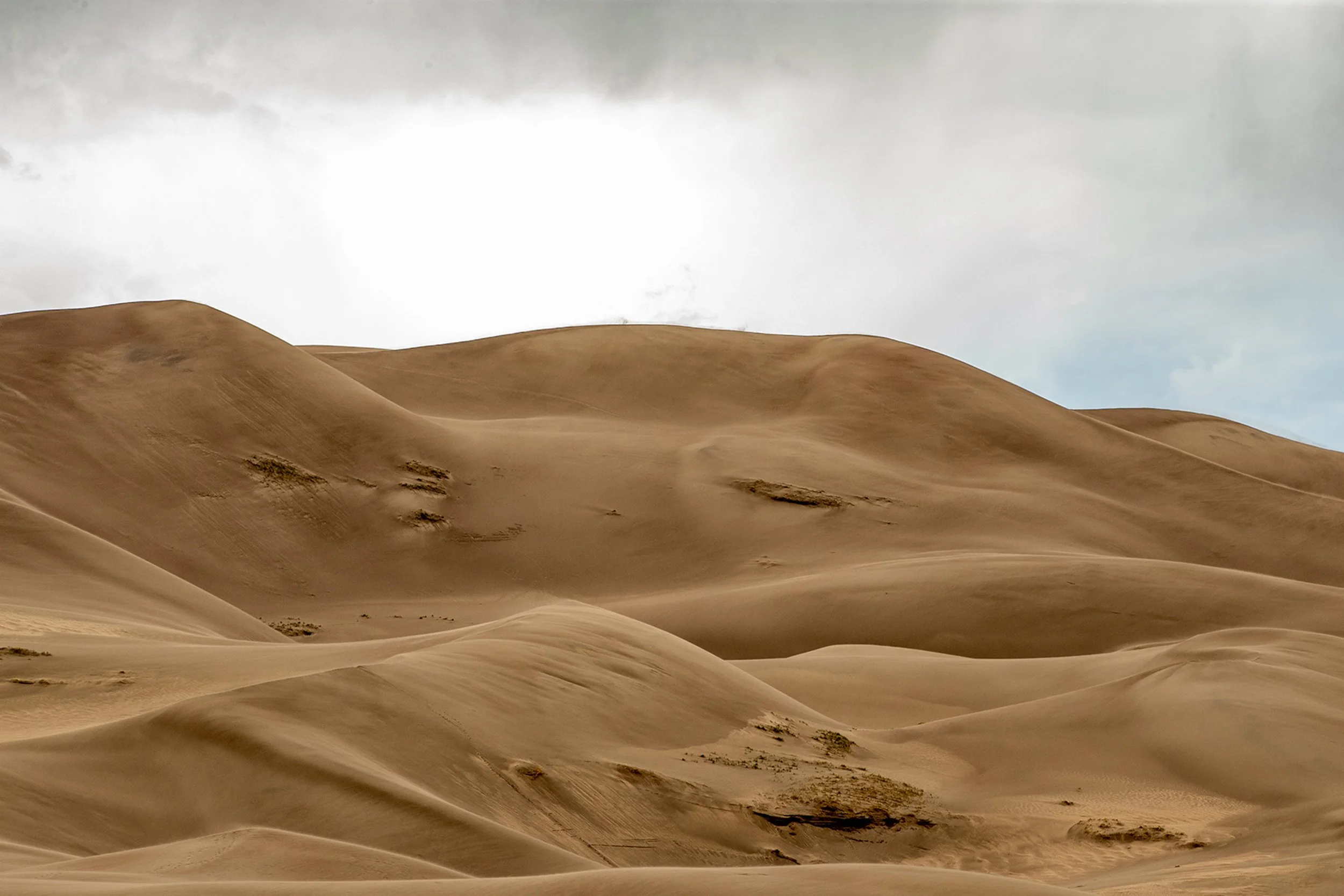
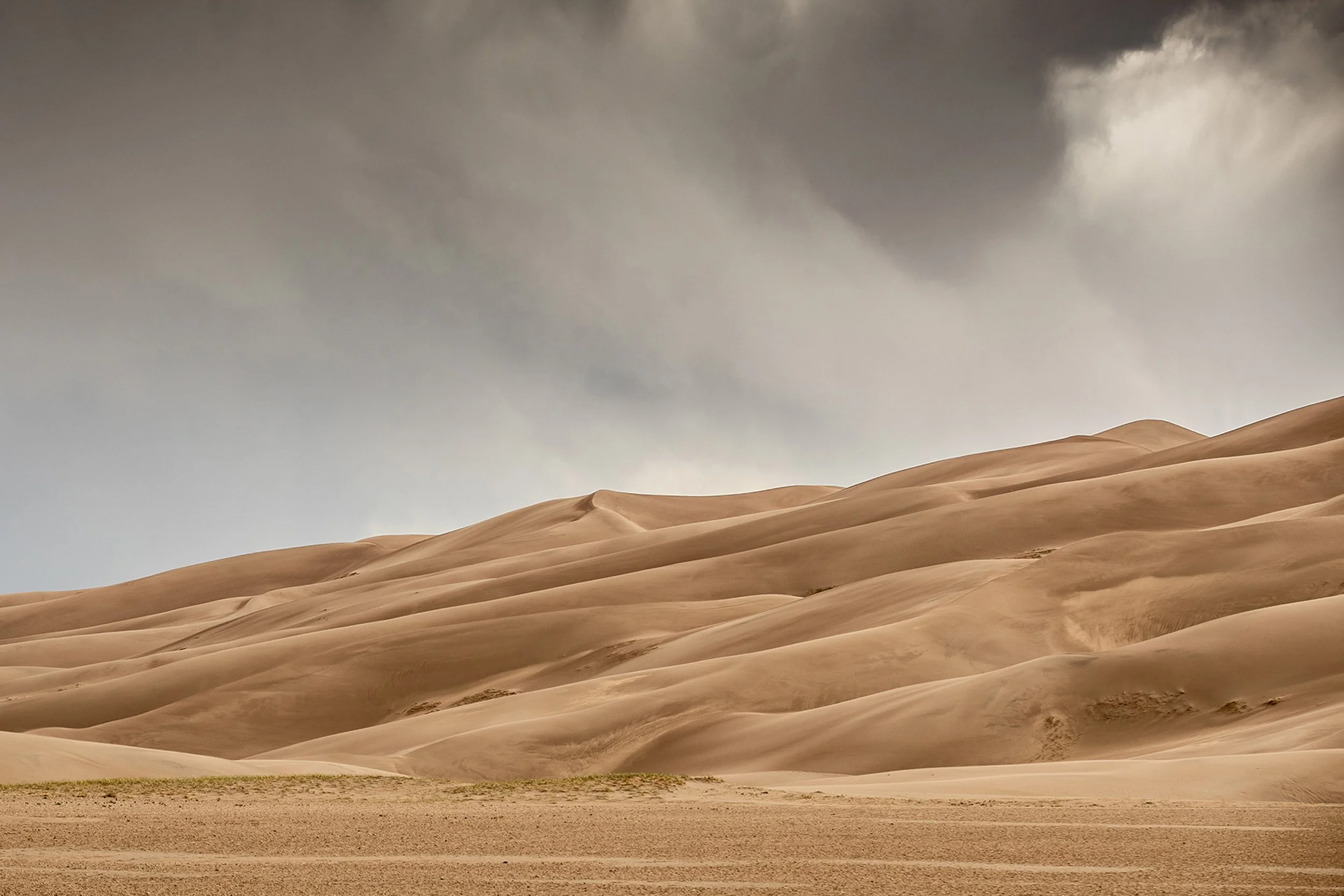
From a distance, the Great Sand Dunes appear sculptural and serene — sweeping forms carved into elegant silhouettes. As you move closer, the landscape becomes more intricate. Lines ripple across the sand like waves paused mid-motion, revealing patterns that shift constantly under the influence of wind.
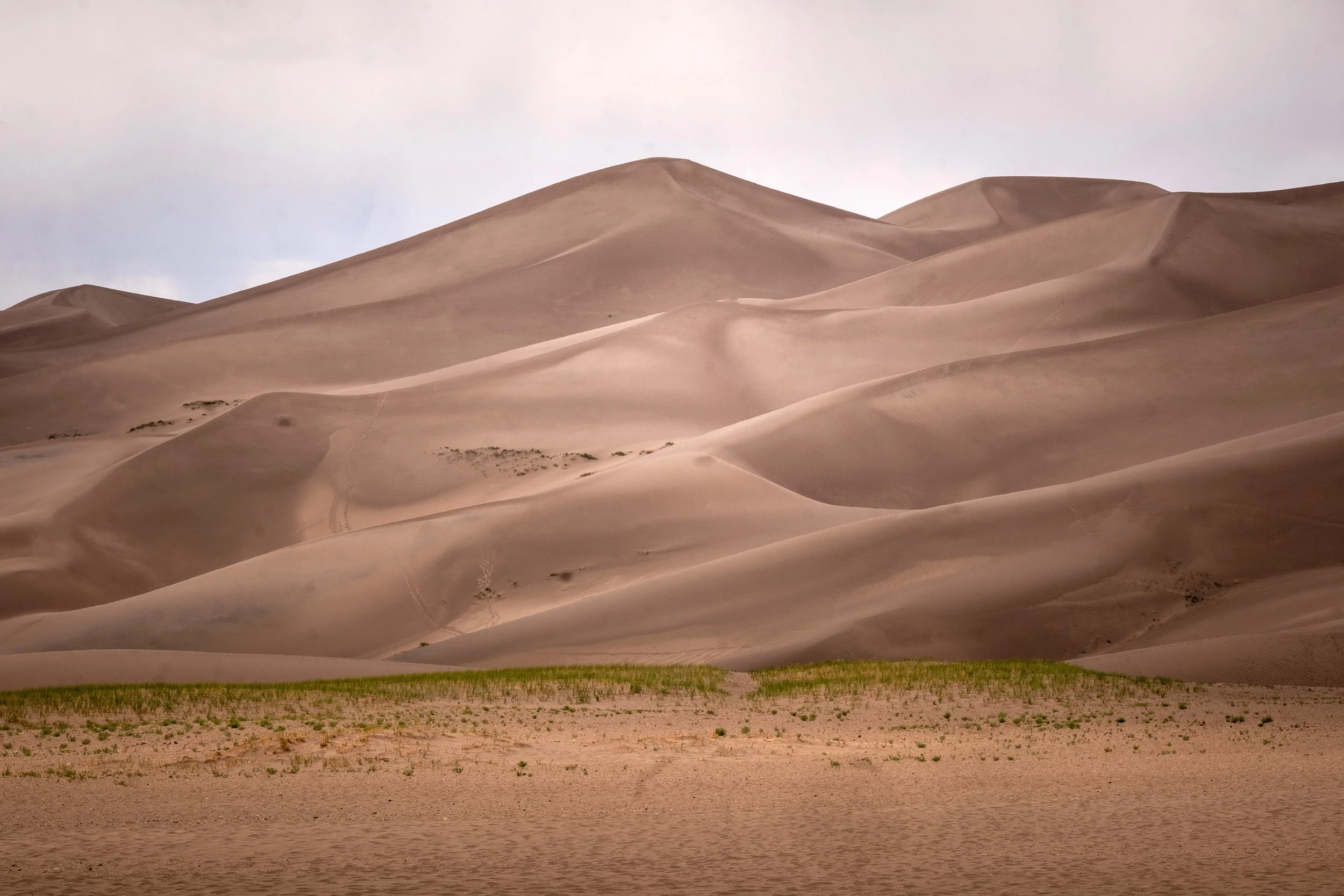
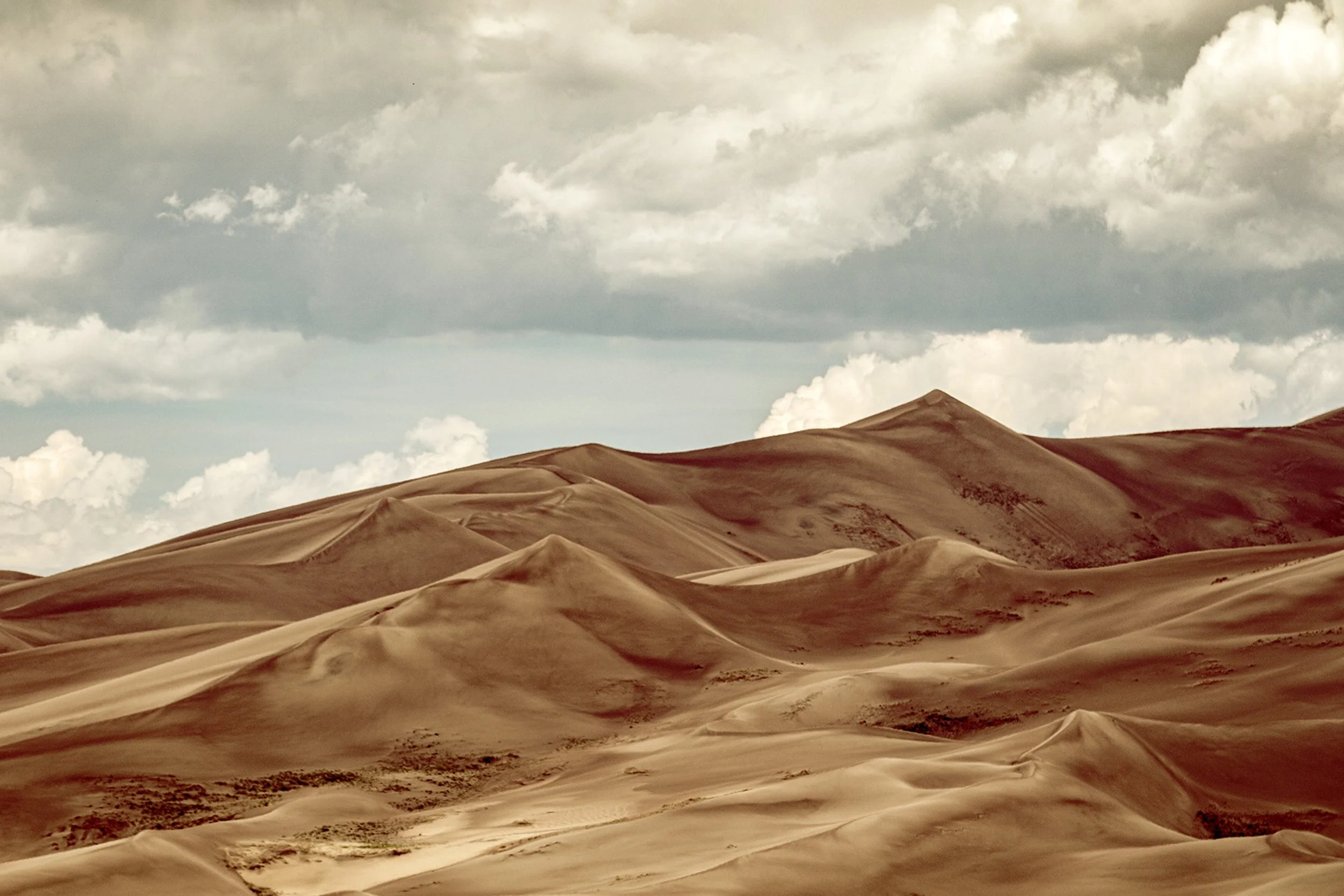
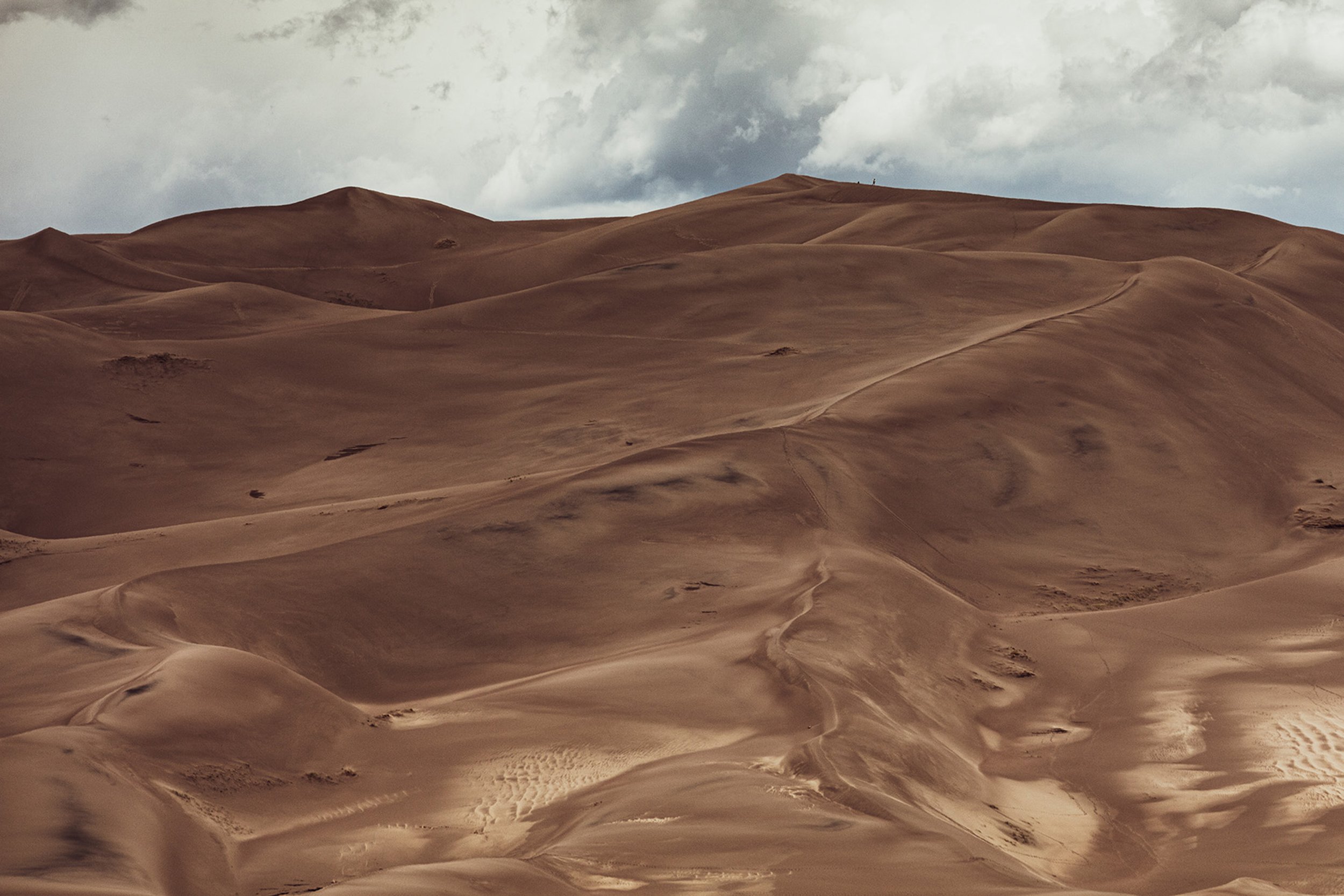
This contrast between macro and micro perspectives defines the visual character of the dunes. Wide compositions emphasize scale and isolation, while closer studies highlight texture, geometry, and abstraction.
Each vantage point tells a different story.
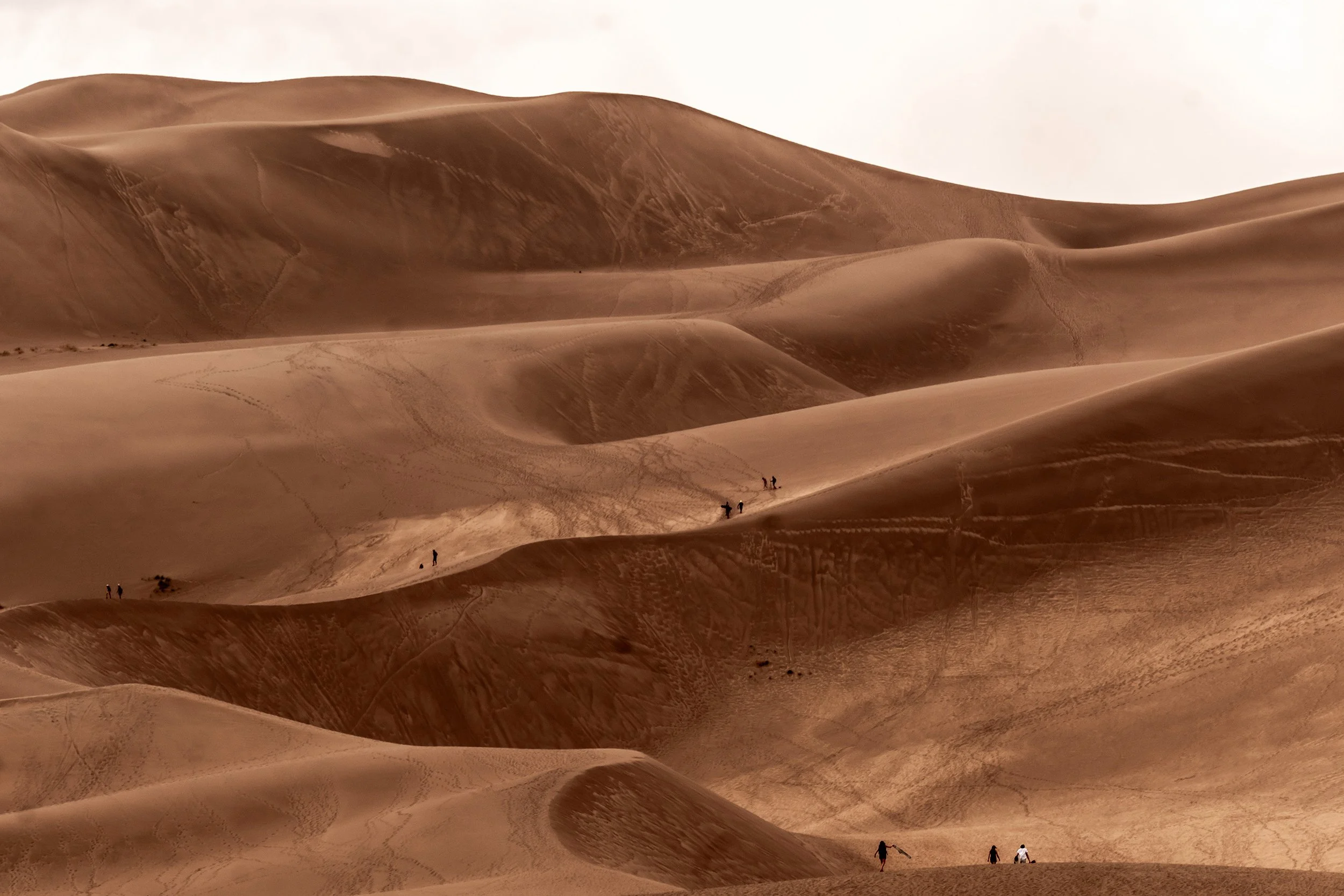
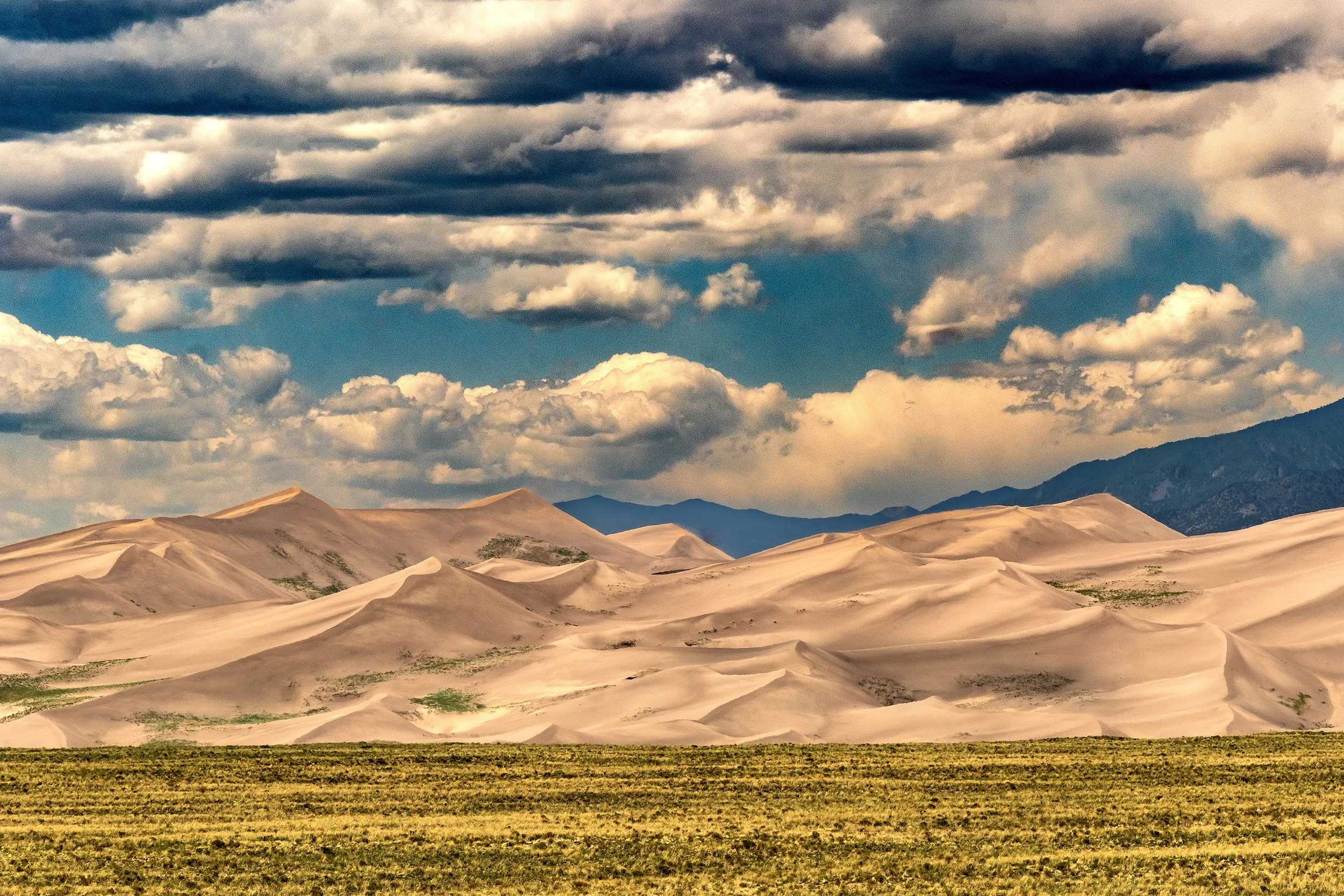
Wind as Artist and Architect
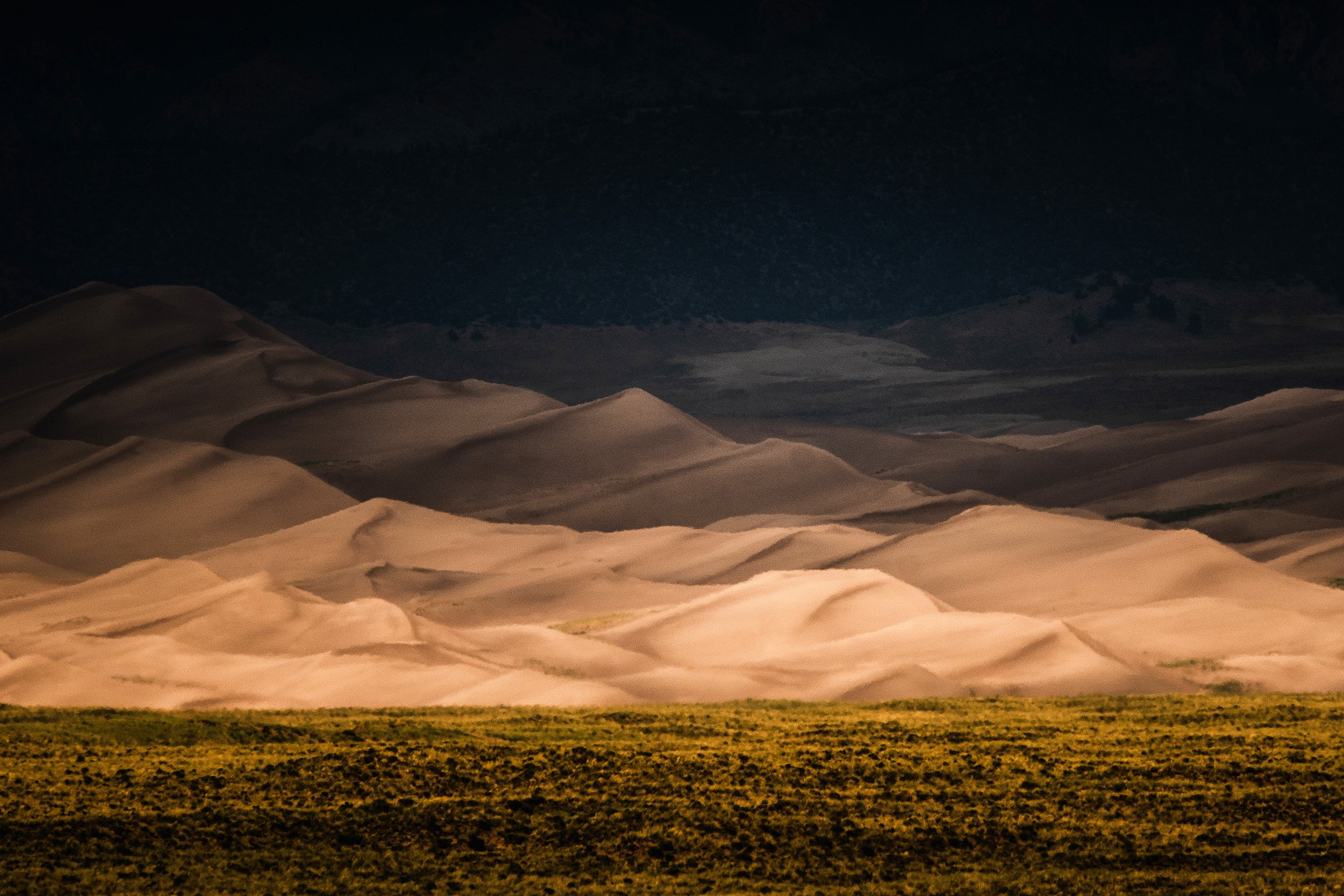
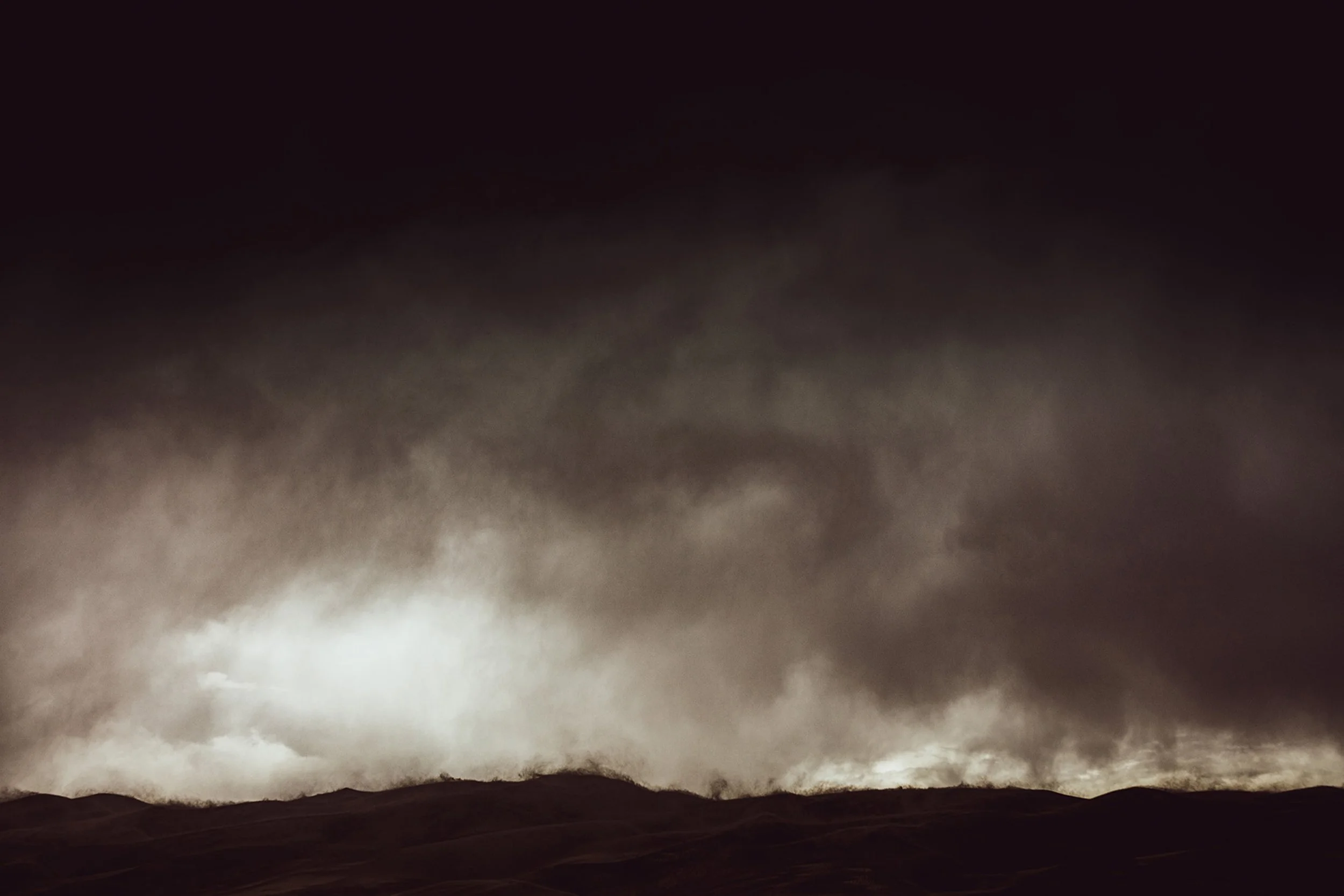
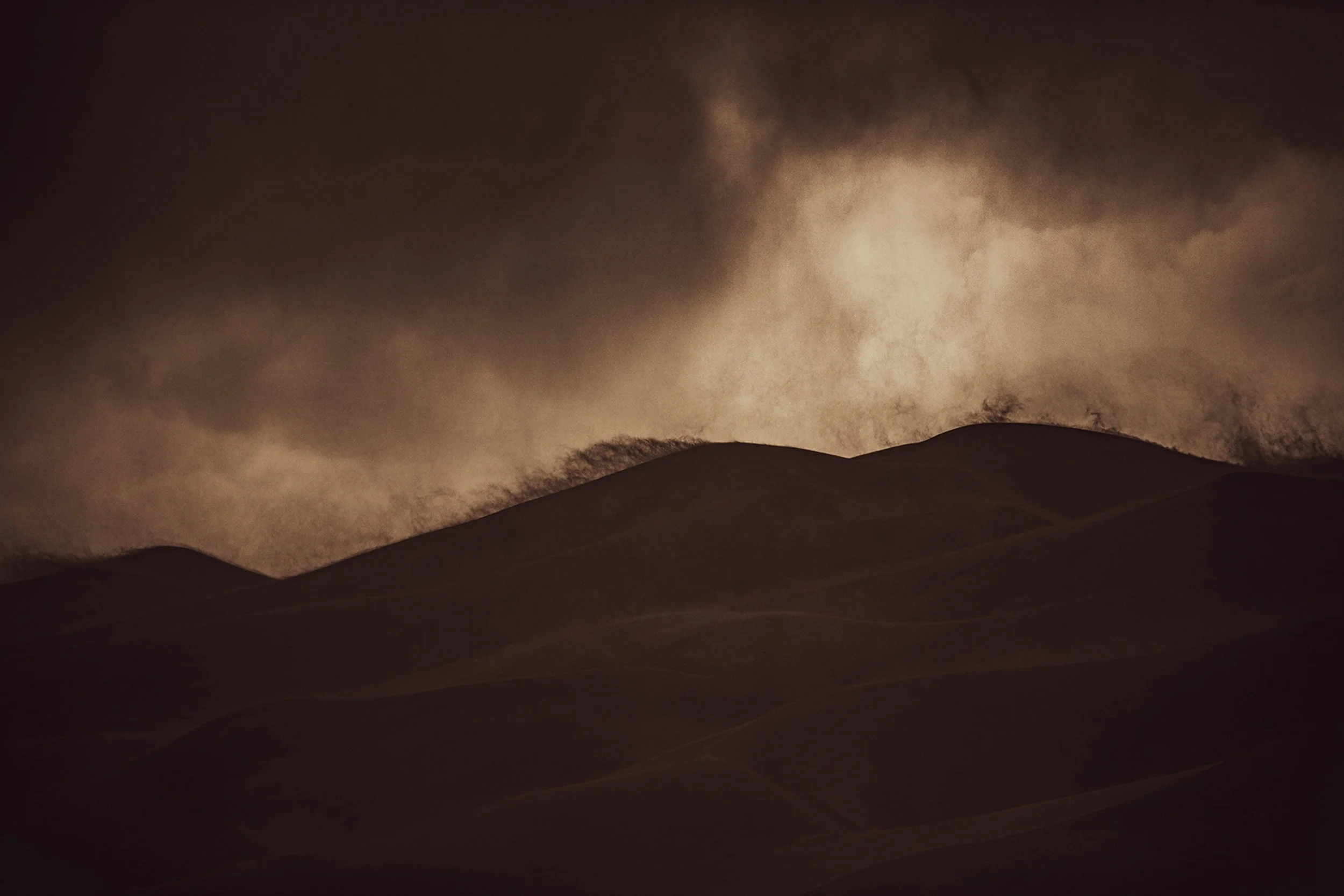
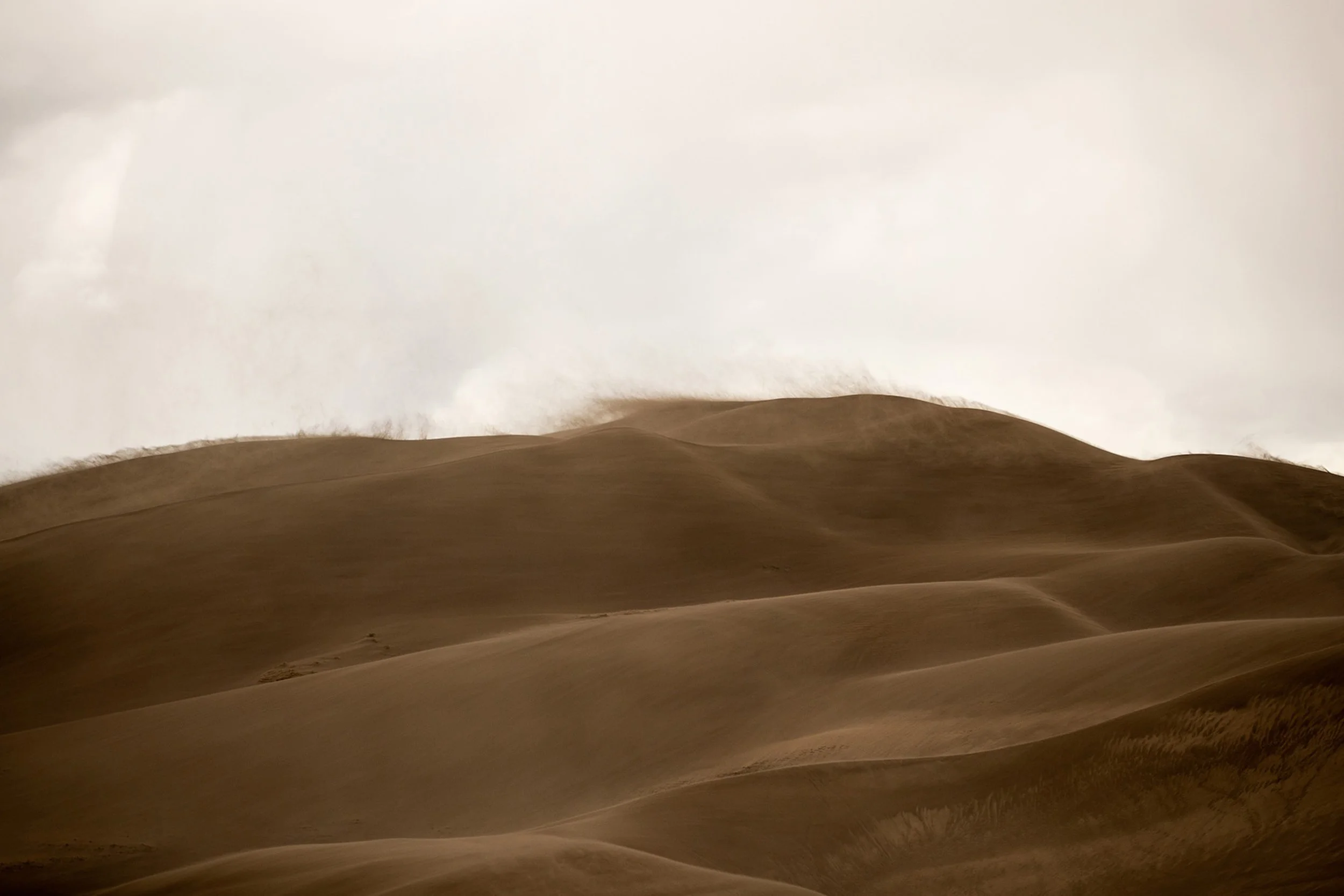
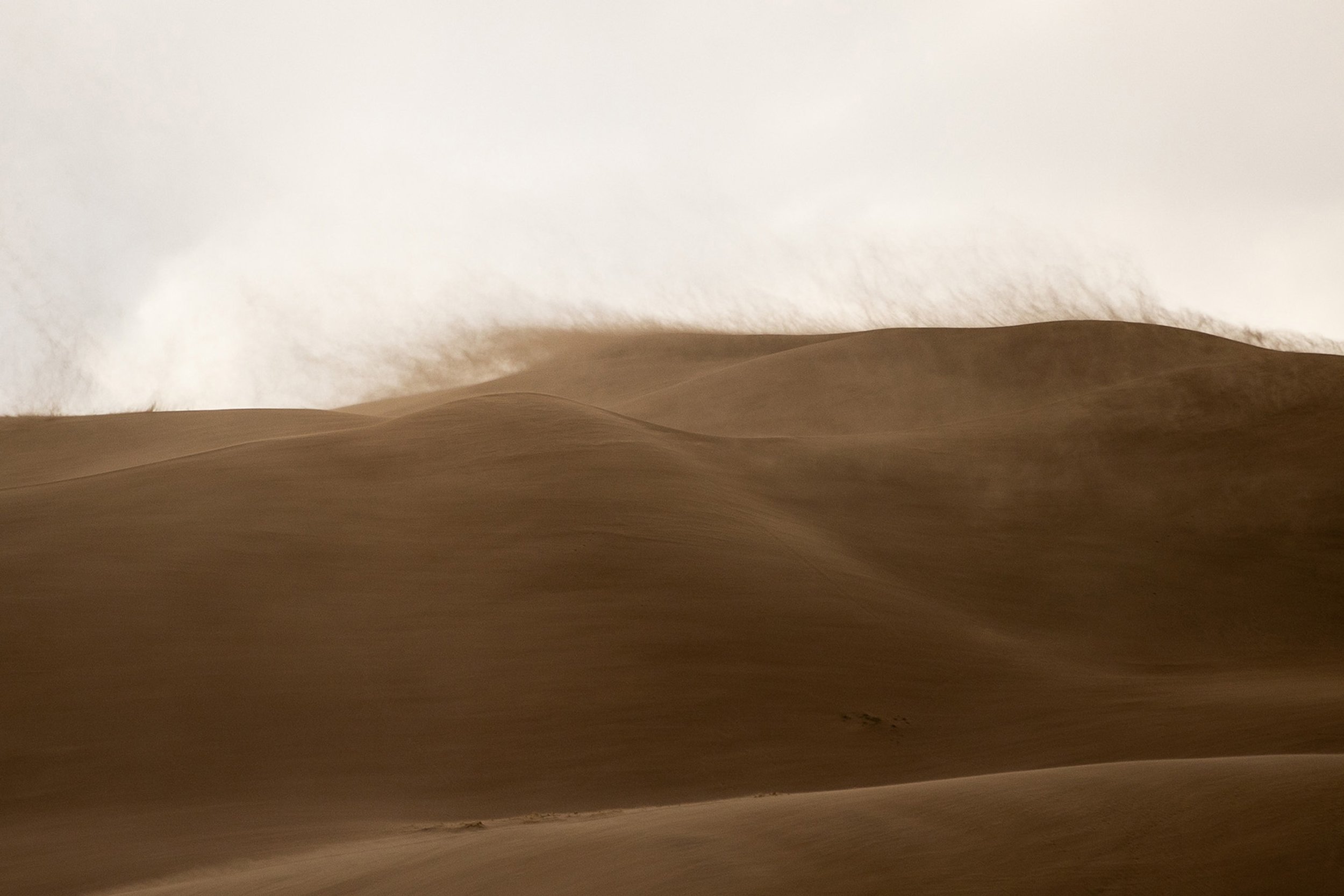
Unlike rock formations that evolve over millennia, the dunes transform daily. Wind becomes both sculptor and storyteller, reshaping ridges and surfaces in subtle but meaningful ways.
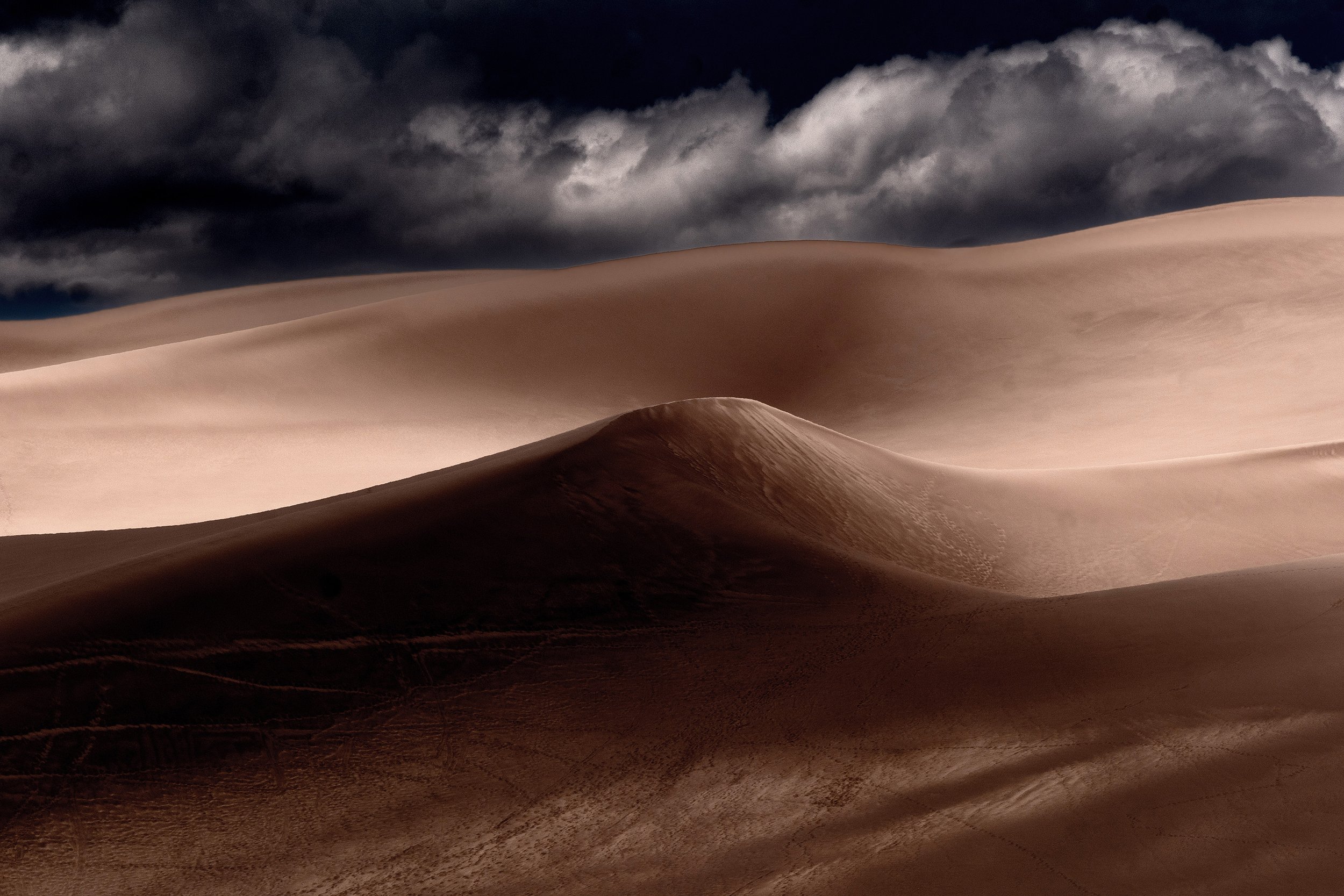
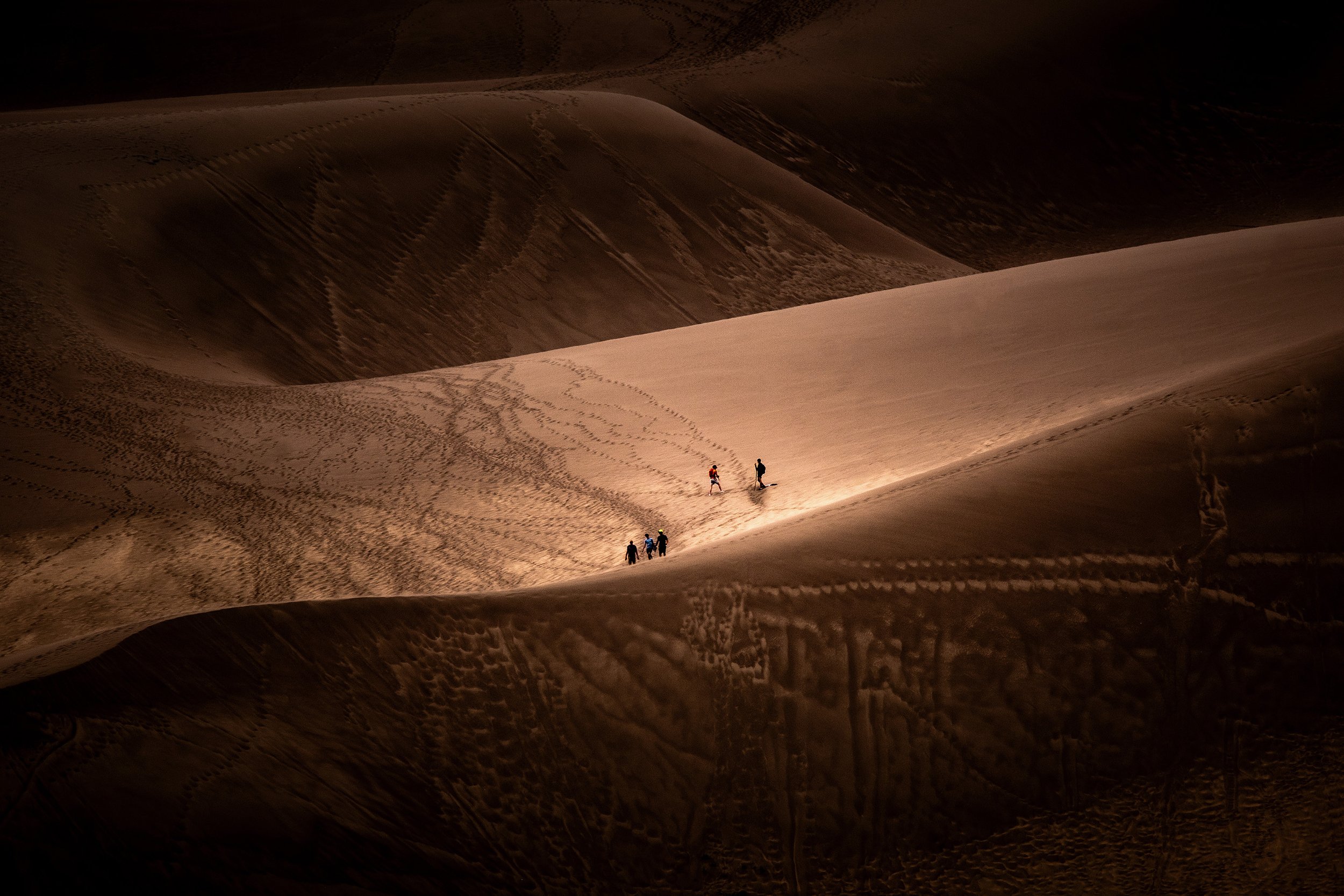
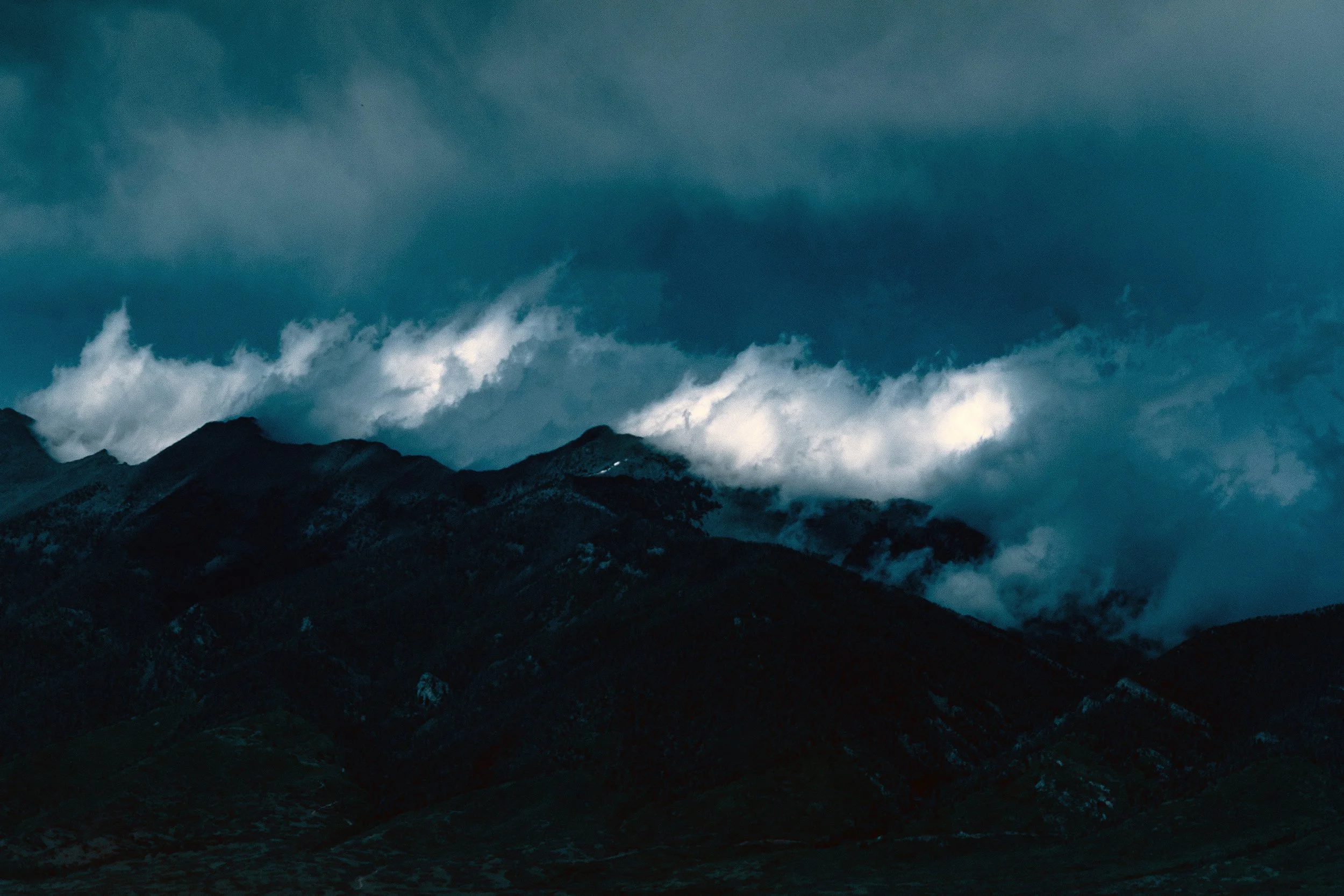
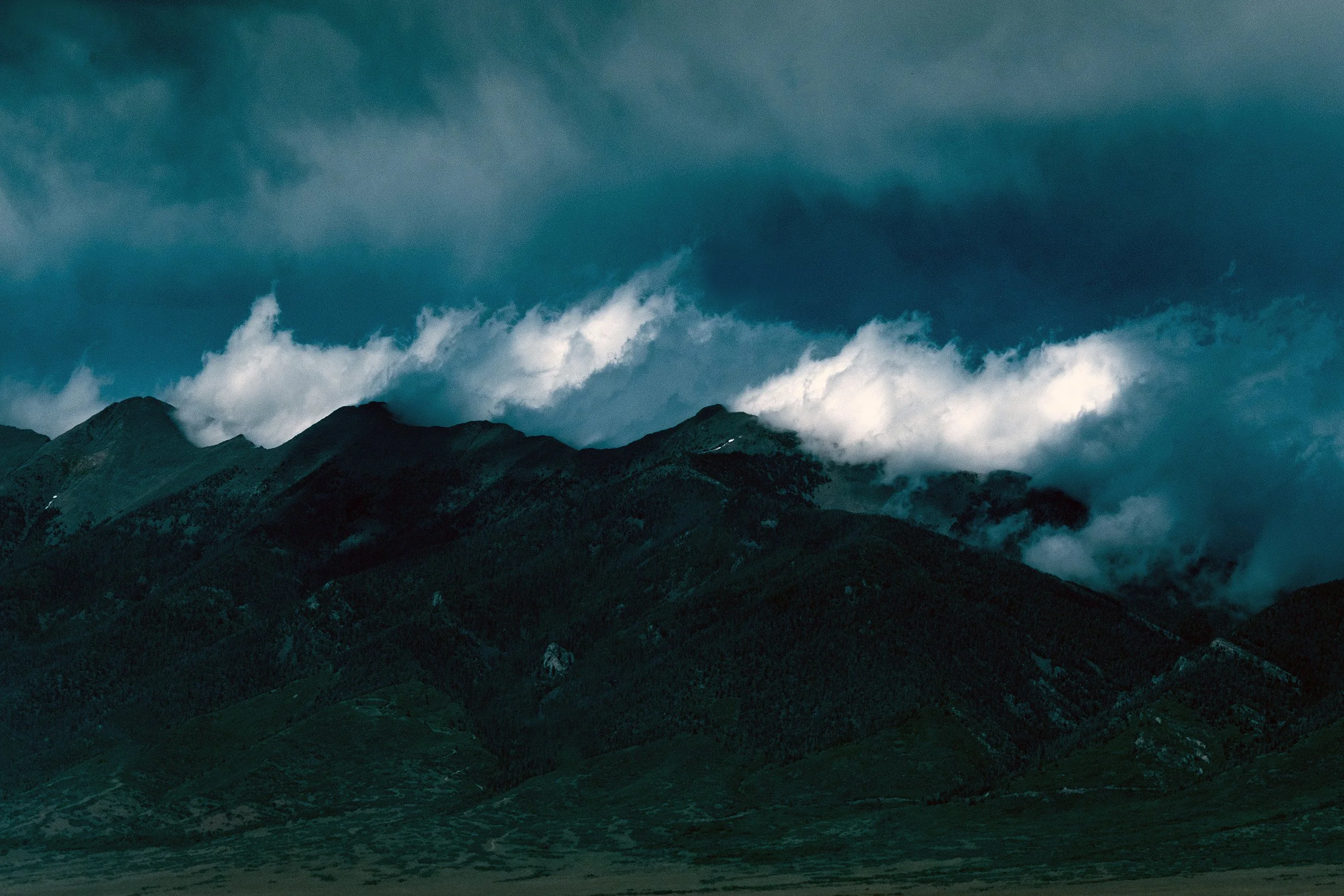
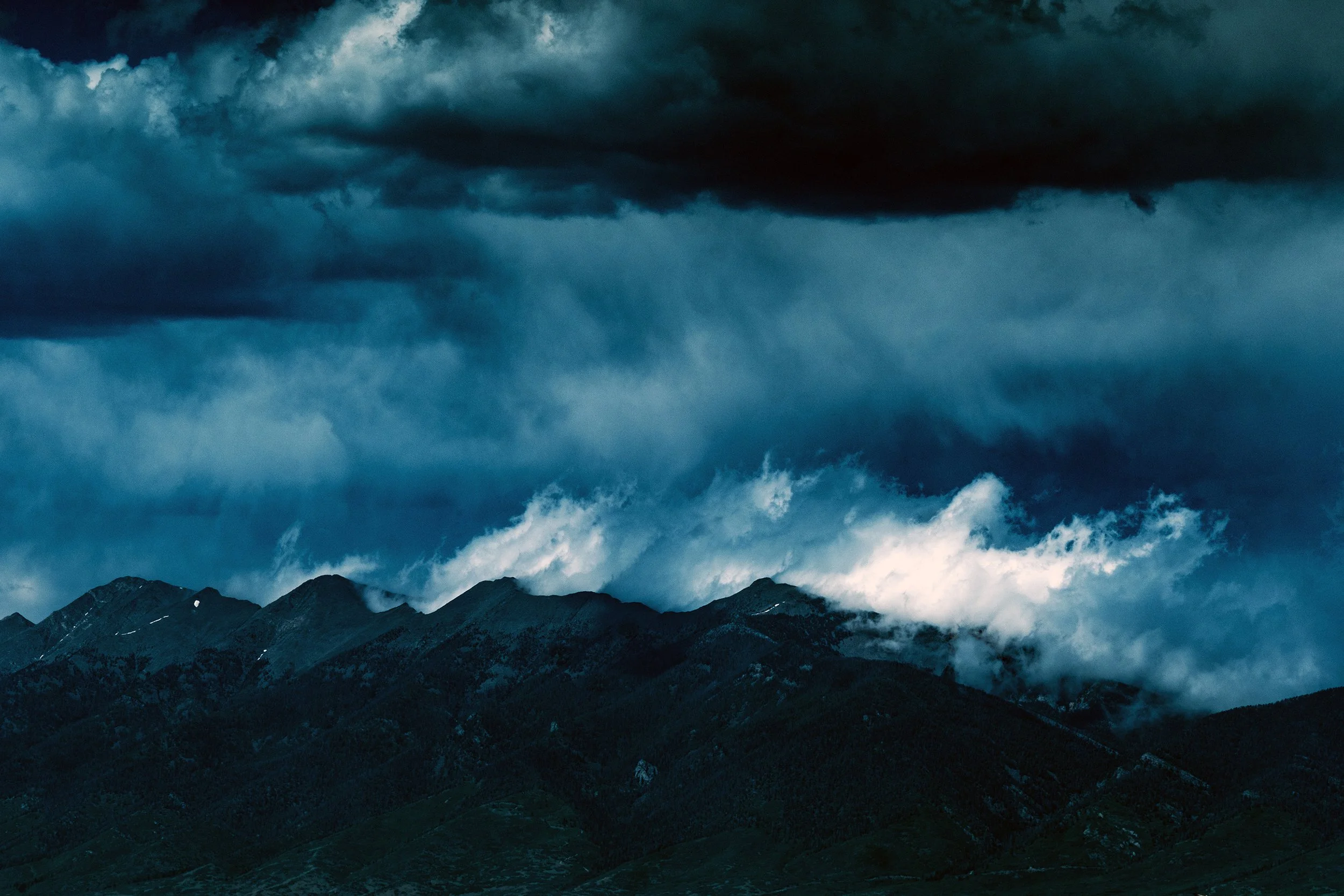
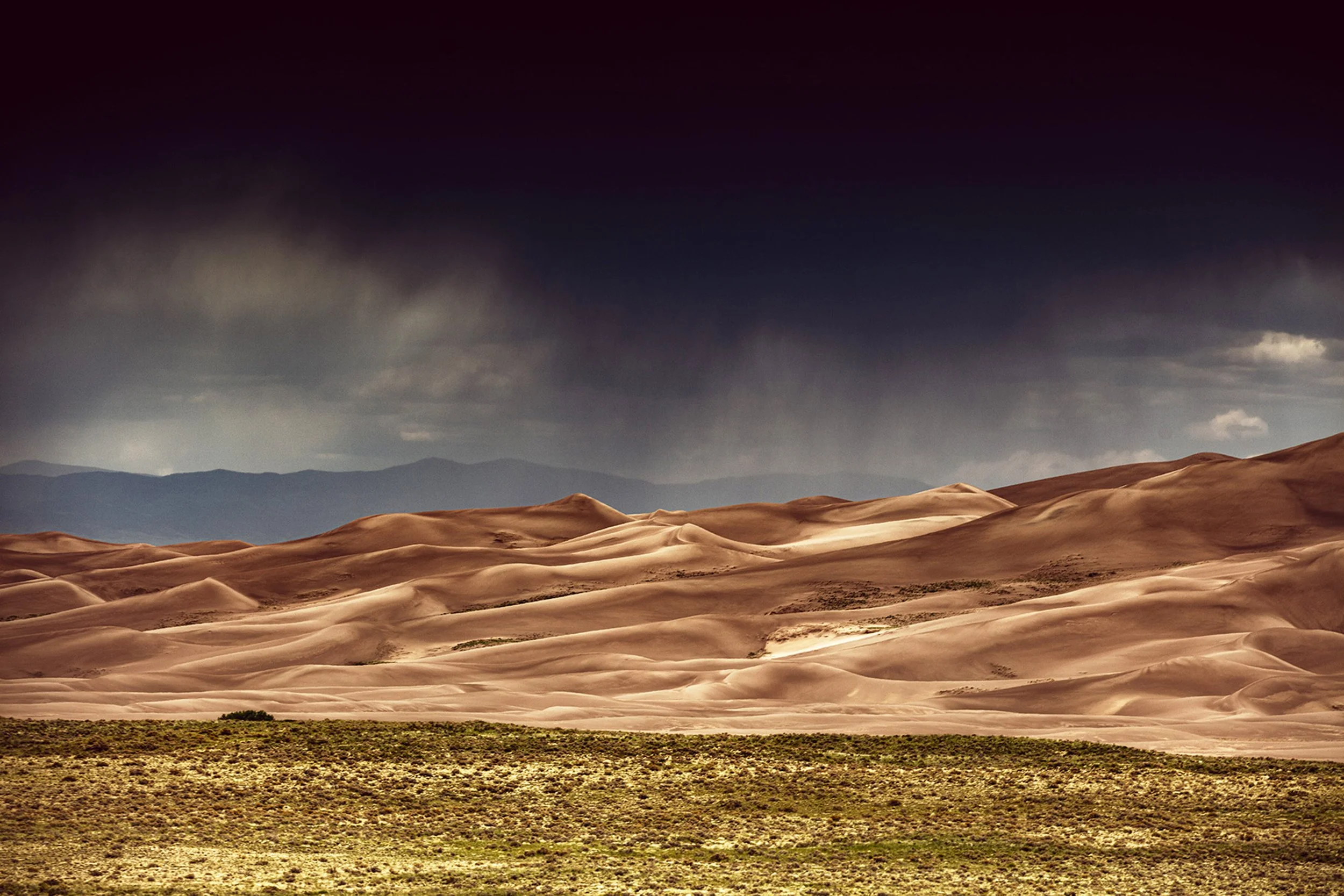
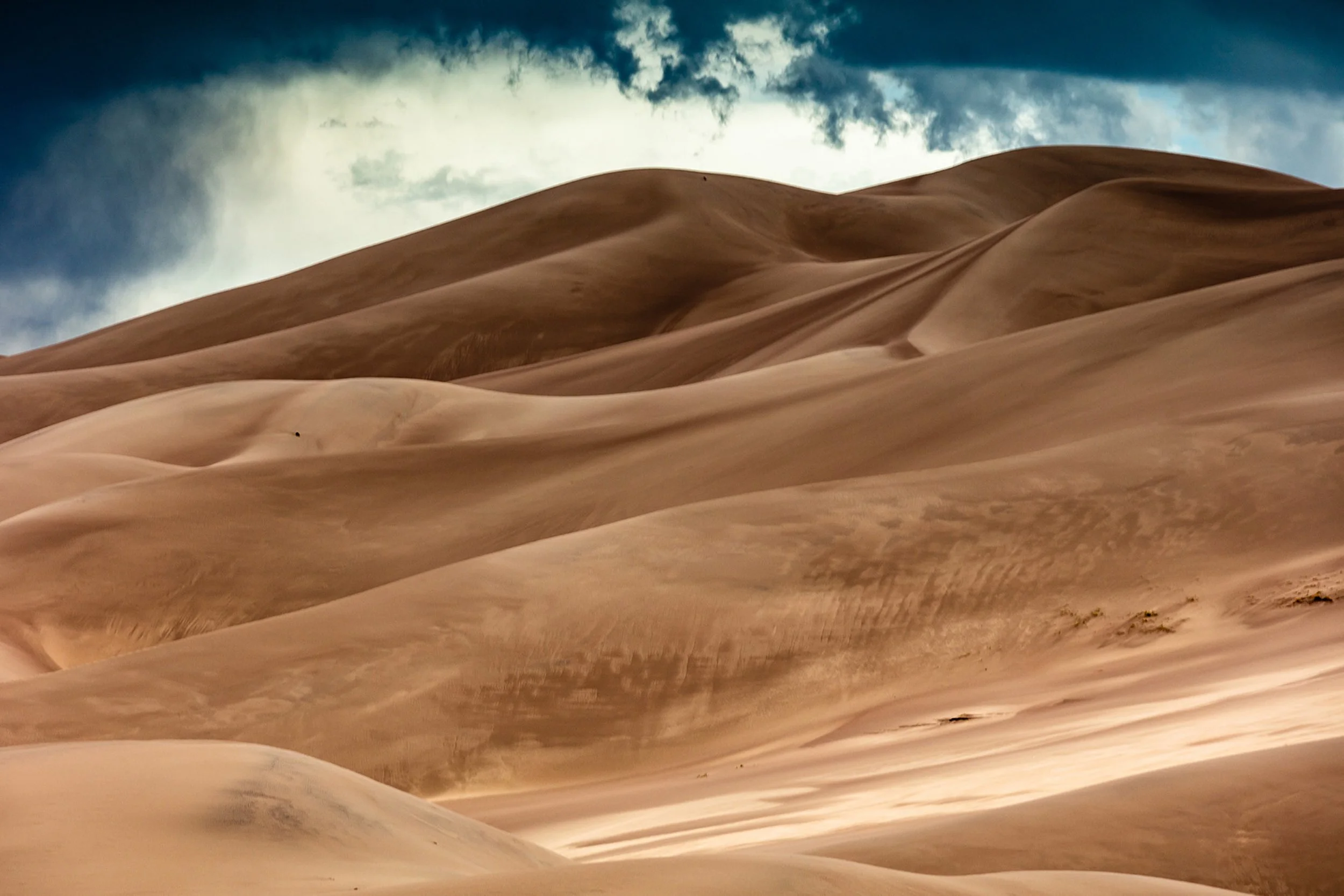
Light plays an equally important role. Early morning shadows exaggerate depth and texture, creating bold contrasts that emphasize the sculptural nature of the terrain. At sunset, warm tones soften the landscape, turning sweeping lines into quiet gestures of movement.
Capturing these moments requires patience — waiting for the intersection of wind-drawn patterns and cinematic light.
Minimalism and Form
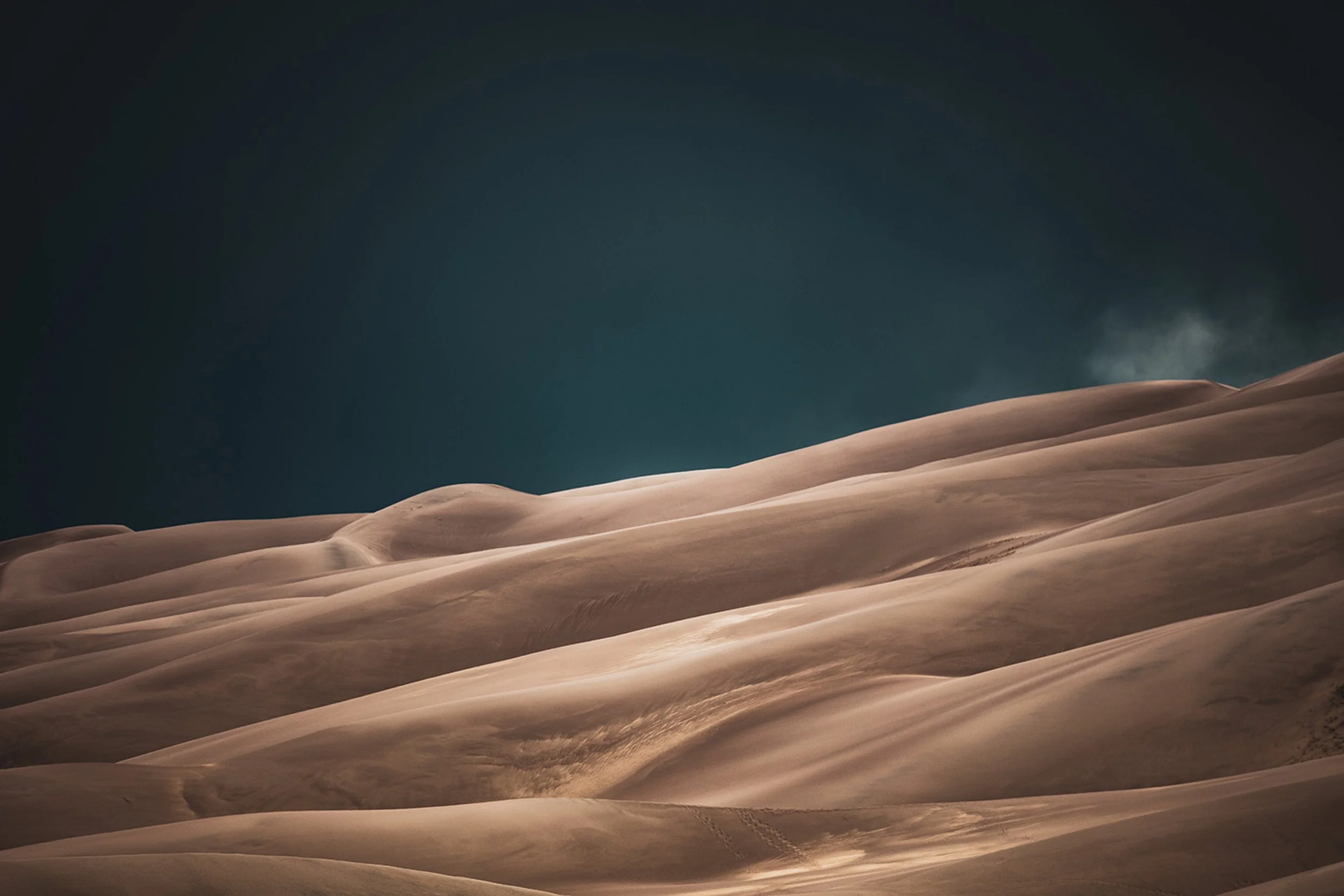
The Great Sand Dunes offer a rare opportunity for pure visual minimalism. Without visual clutter, the photographer can focus on fundamental elements: line, shape, tone, and shadow.
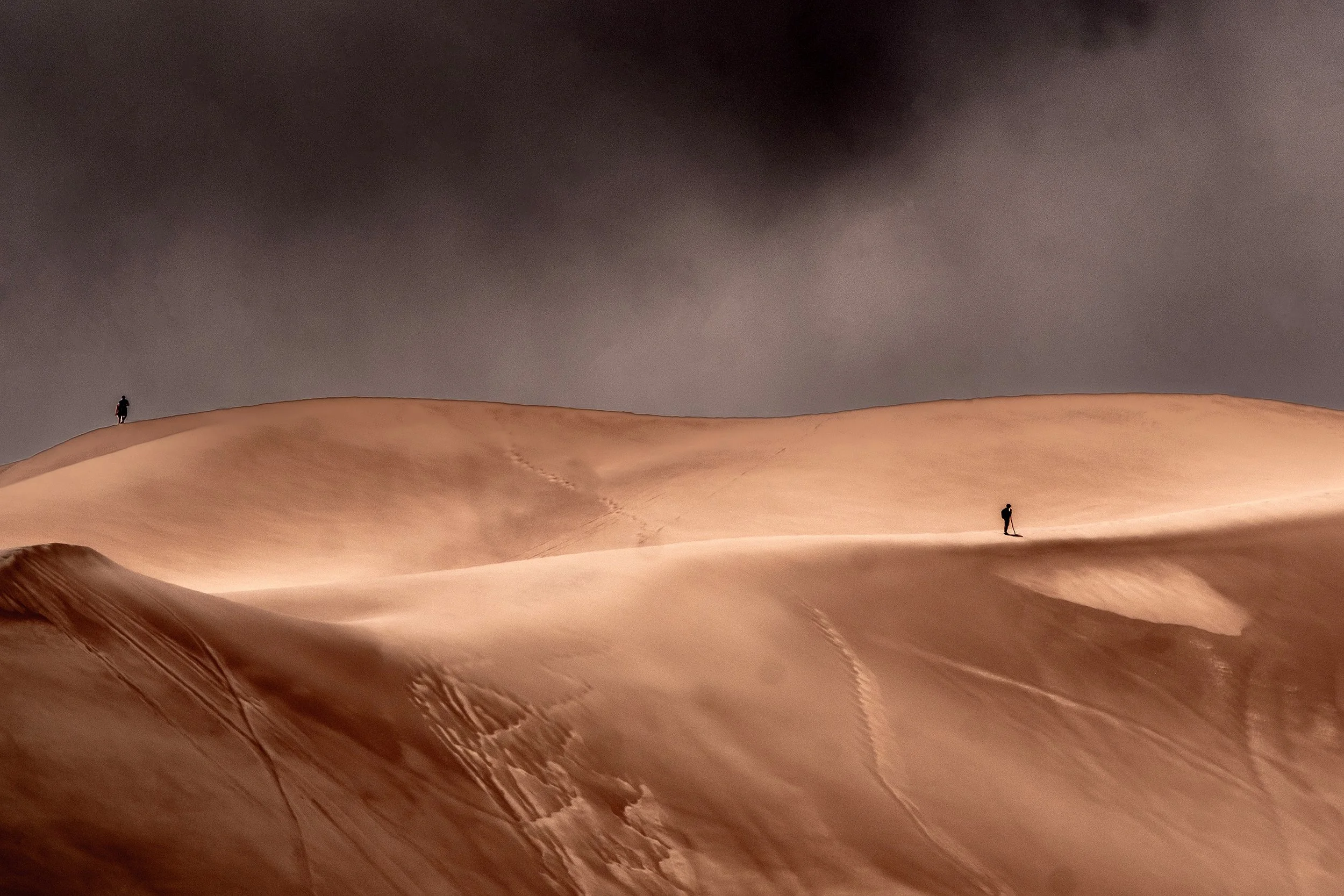
A single ridge becomes a leading line. A shadow becomes a narrative device. Negative space transforms into an emotional component, amplifying the sense of solitude and scale.
This reduction to essentials is what elevates the landscape from documentation into fine art.
Emotion Within Vastness
Standing atop the dunes, silence feels expansive. The wind erases footprints almost as quickly as they appear, reinforcing the transient nature of human presence.
This impermanence gives the dunes emotional depth. Each photograph becomes a fleeting record of a landscape that refuses to remain the same. It’s this balance between permanence and change that makes the Great Sand Dunes feel both ancient and alive.
The Traveling Further Vision
The Great Sand Dunes collection is part of a broader journey to explore landscapes through a cinematic fine-art perspective. Rather than simply showcasing a location, the goal is to interpret its essence — to translate light, movement, and atmosphere into images that invite reflection.
Through careful composition and attention to mood, the collection seeks to create work that resonates beyond geography, offering viewers an emotional connection to place.
Explore the Great Sand Dunes Collection
Discover the full cinematic fine art series from Great Sand Dunes National Park — images shaped by wind, light, and the timeless rhythm of nature.