Theodore Roosevelt North Unit: A Study in Contrast
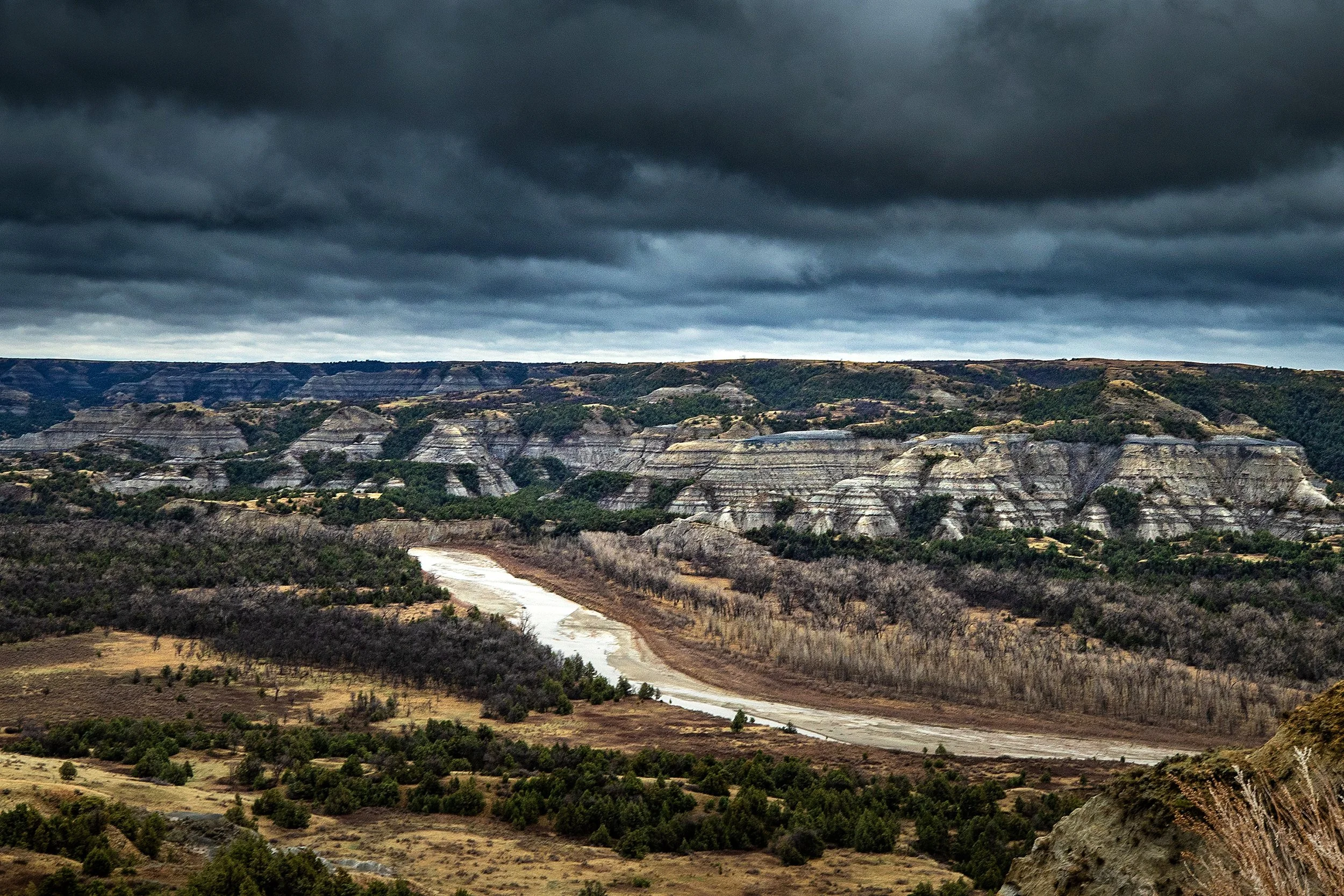
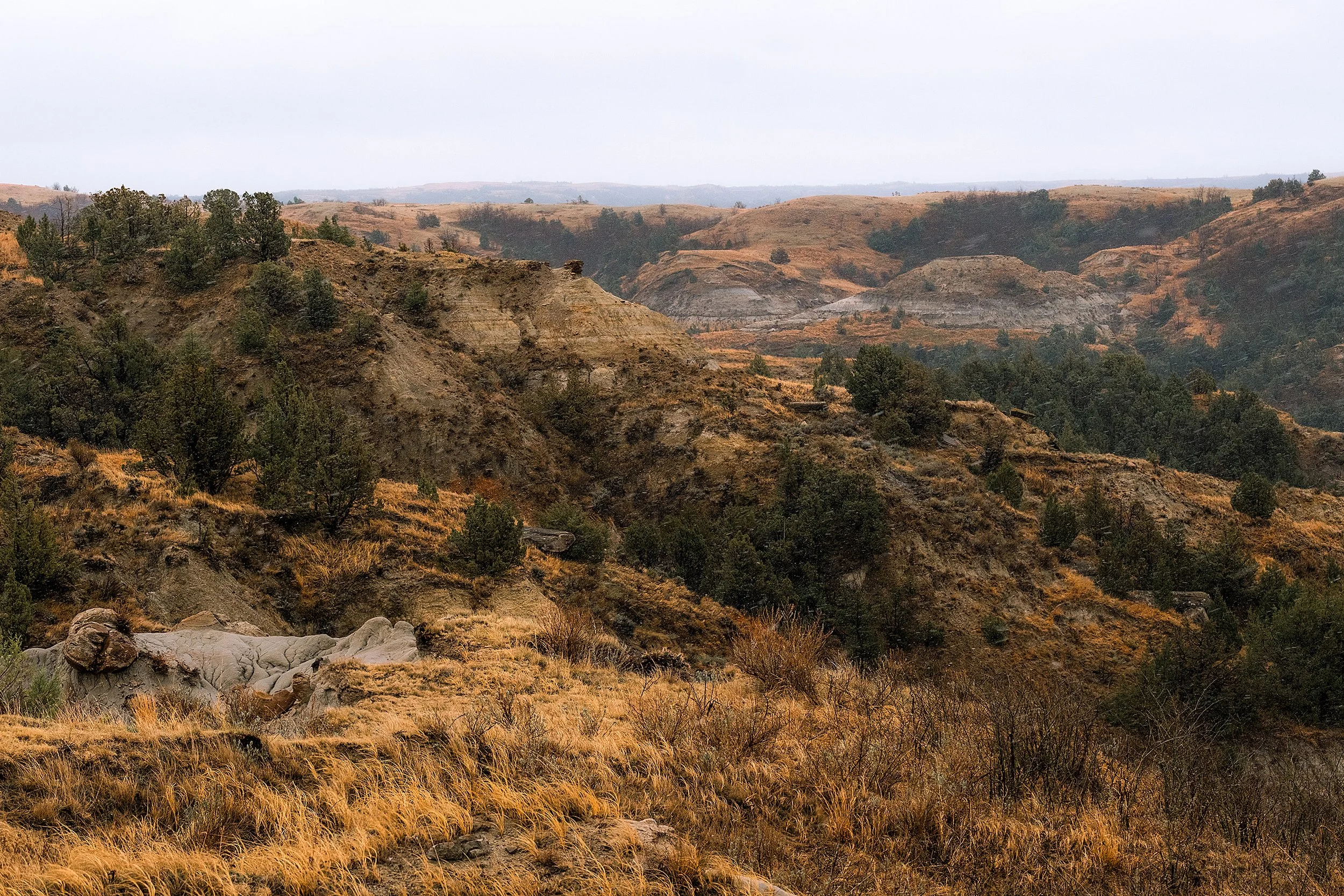
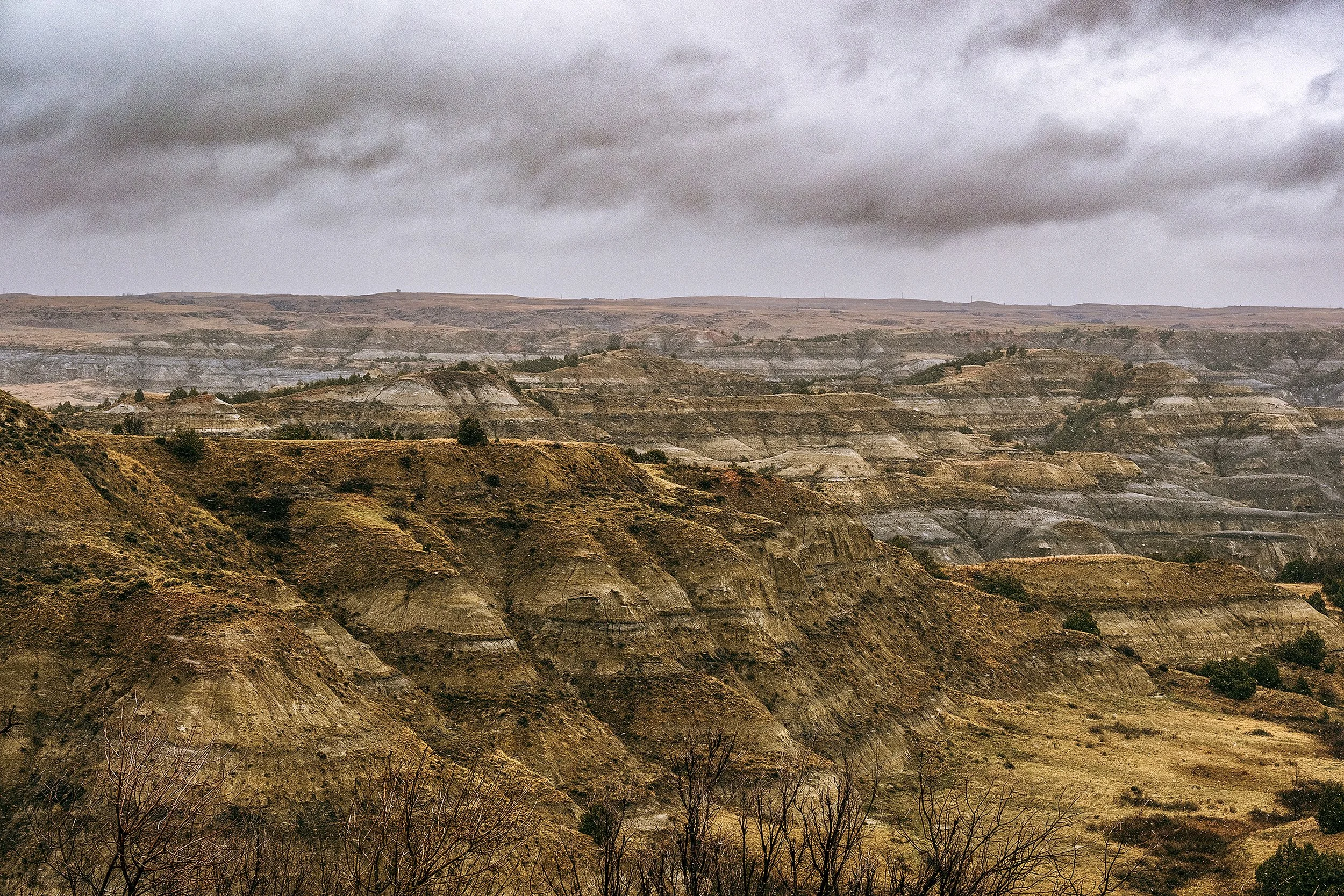
Spring in the North Unit doesn’t arrive cleanly—it negotiates. One day carries the softness of 80-degree light, the next collapses into cold wind and steel-gray skies. For this shoot, that shift wasn’t a disruption. It became the story.
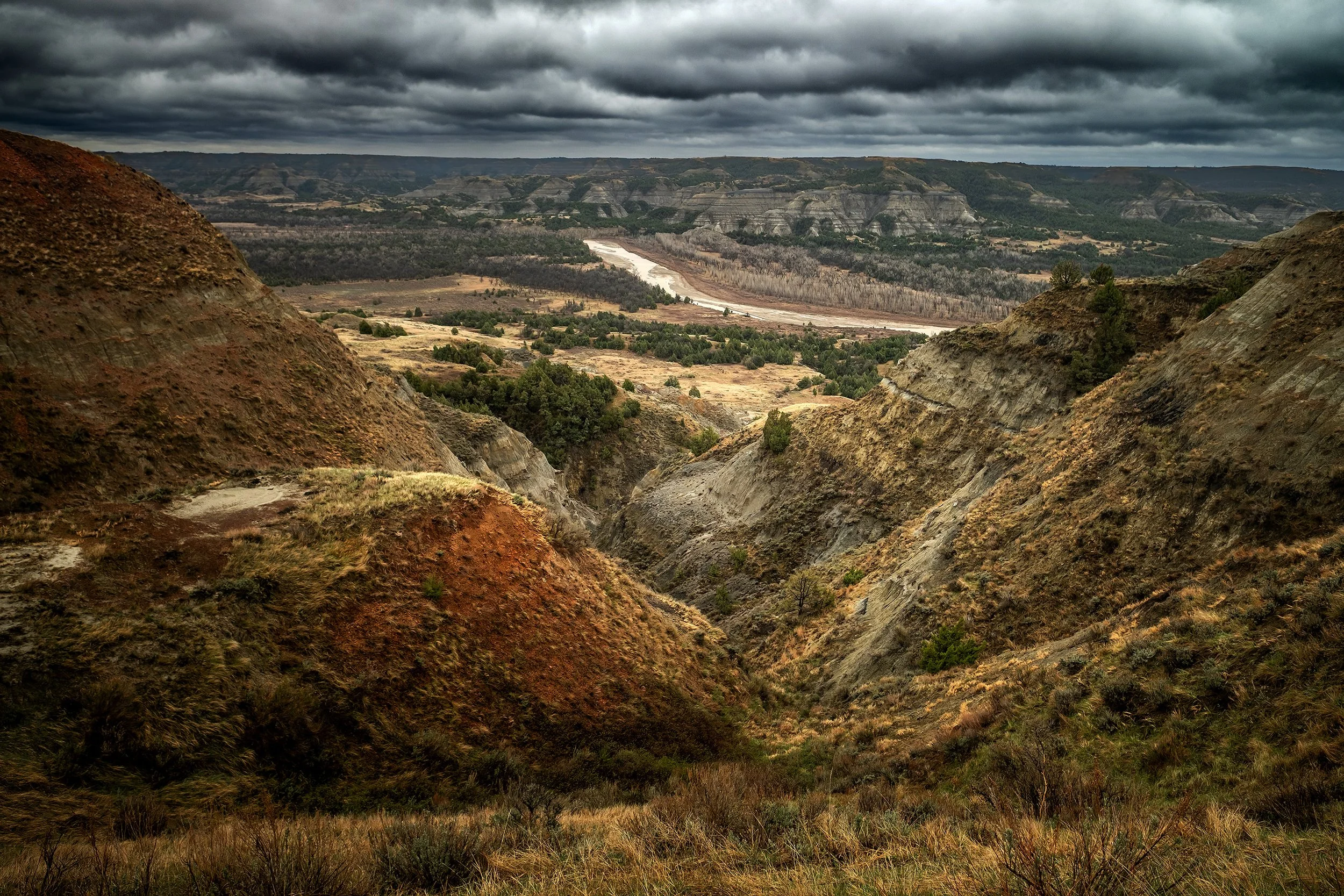
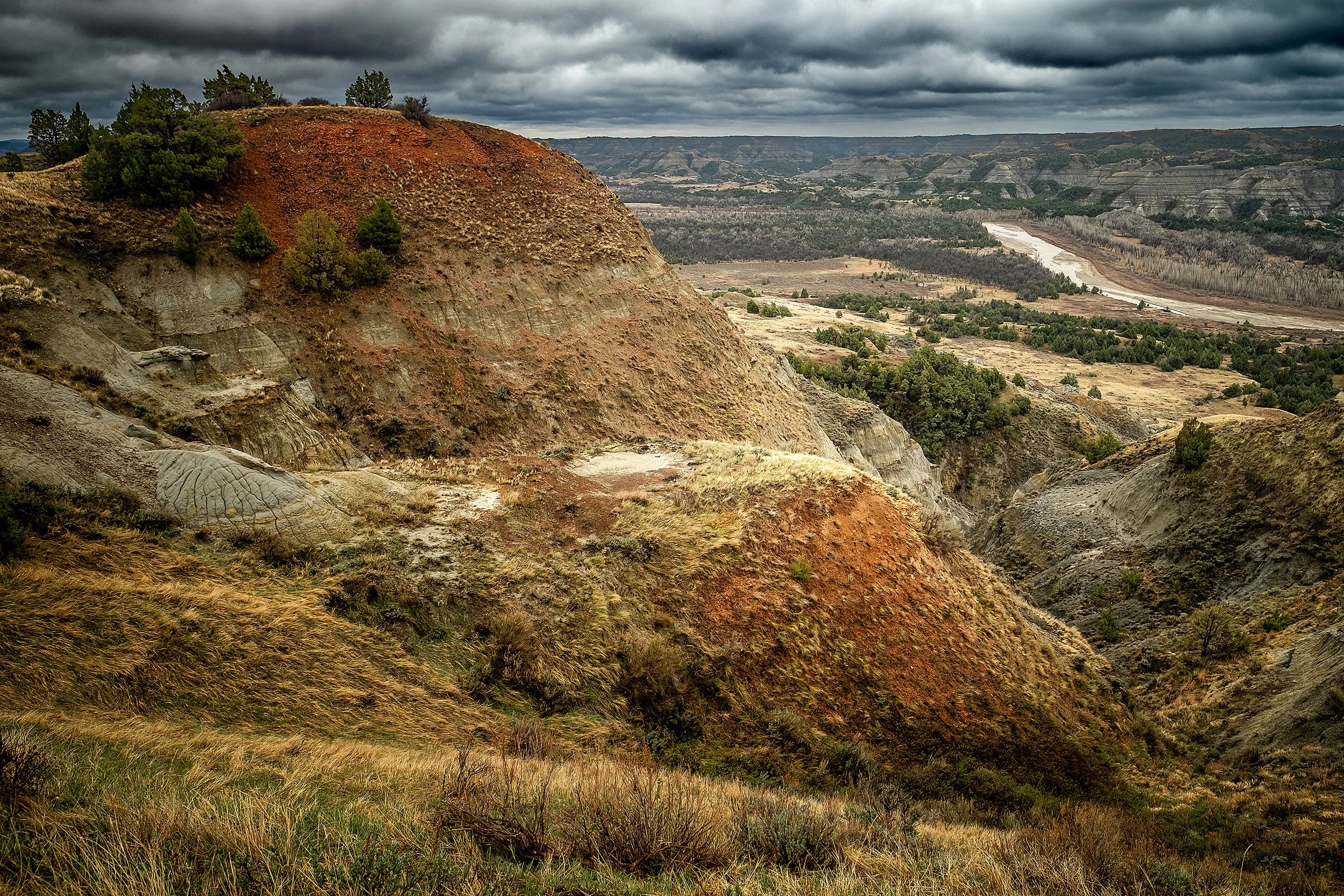
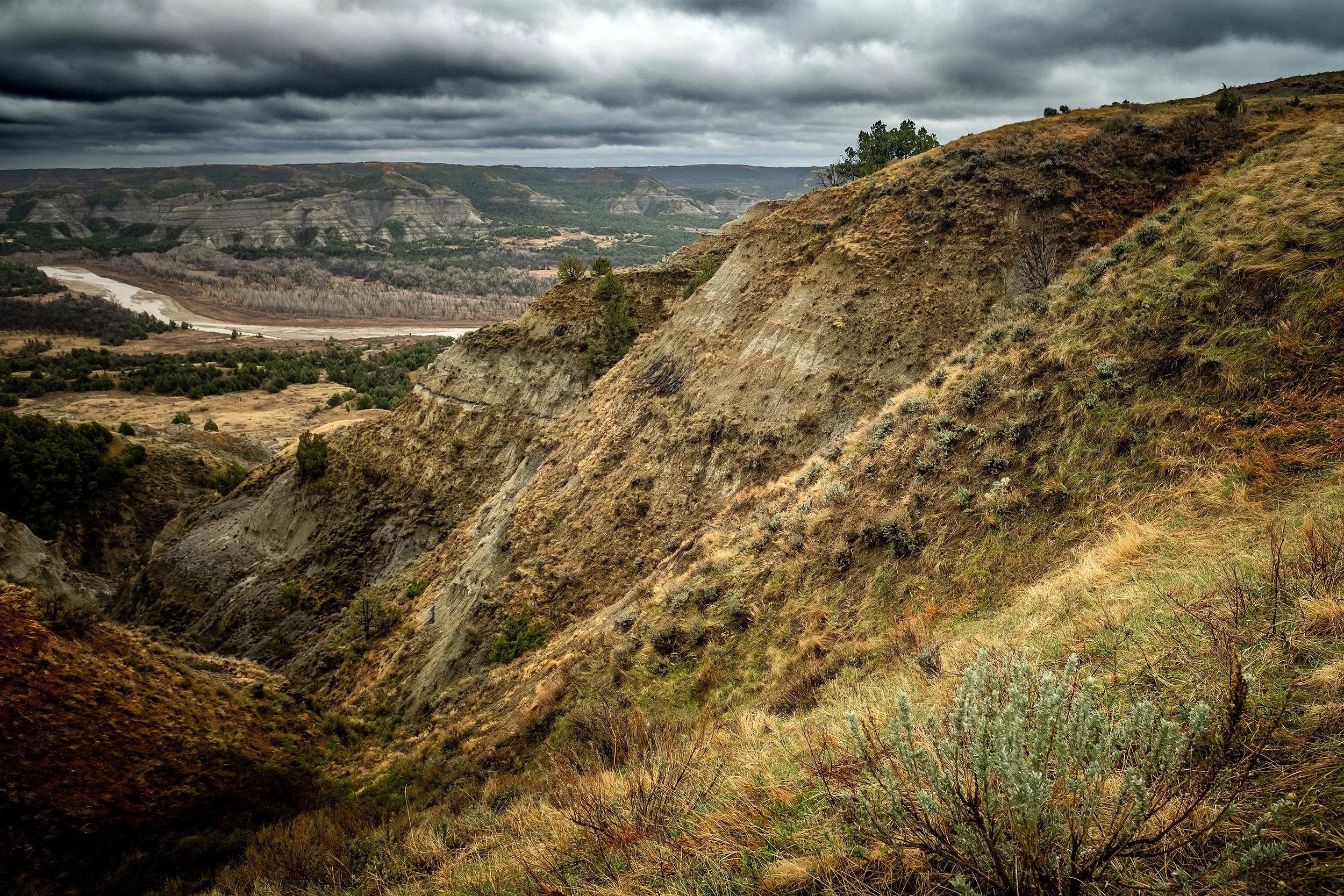
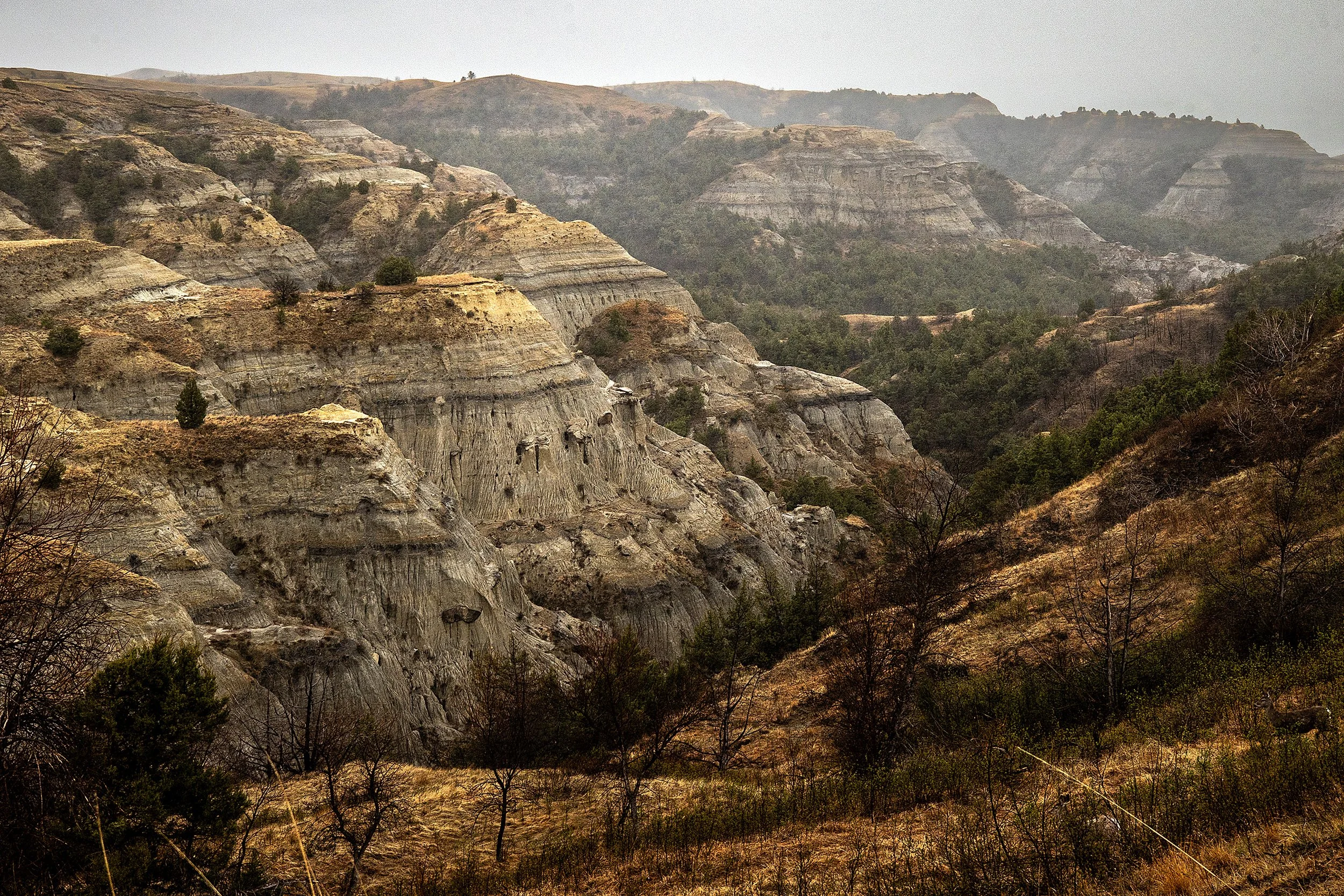
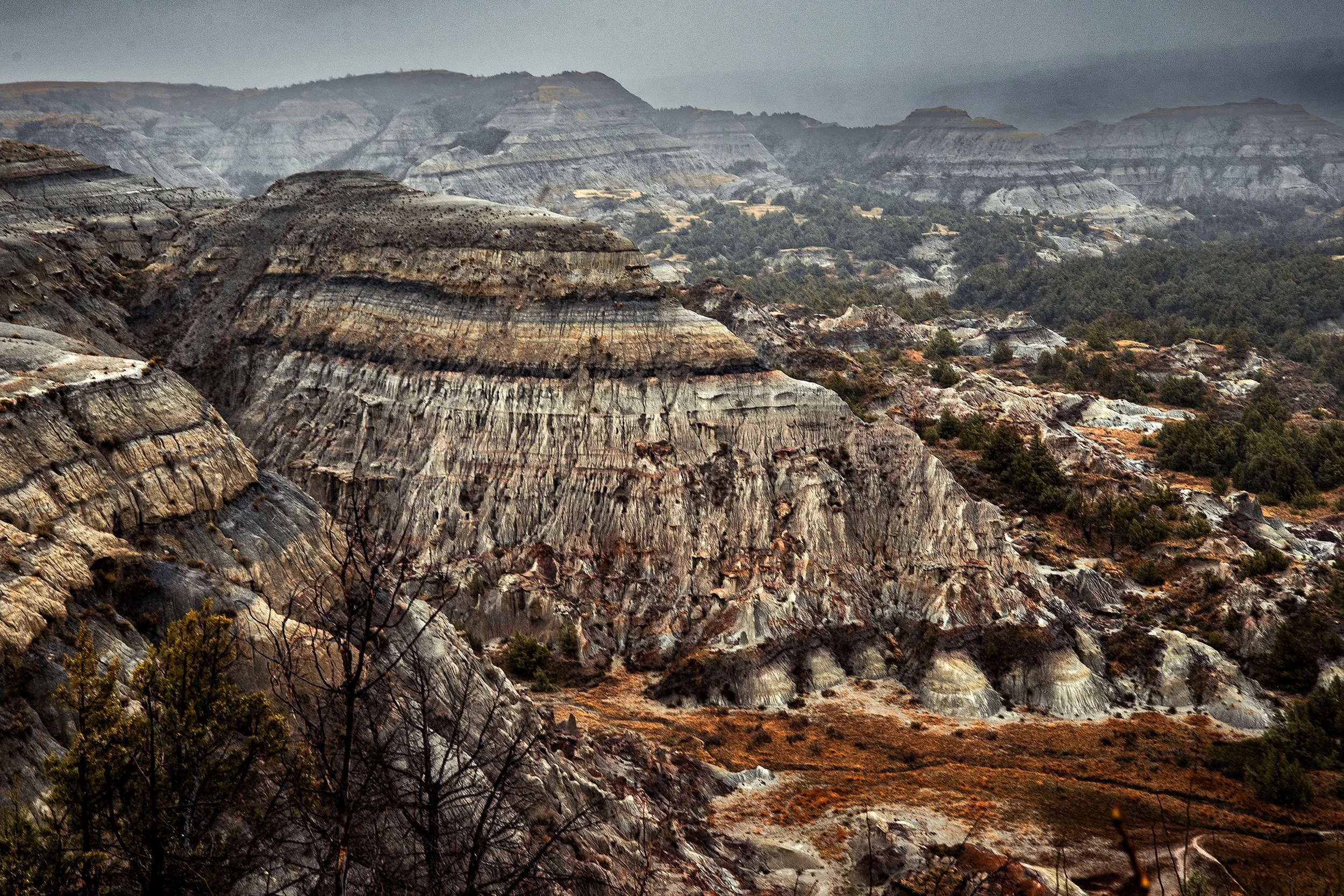
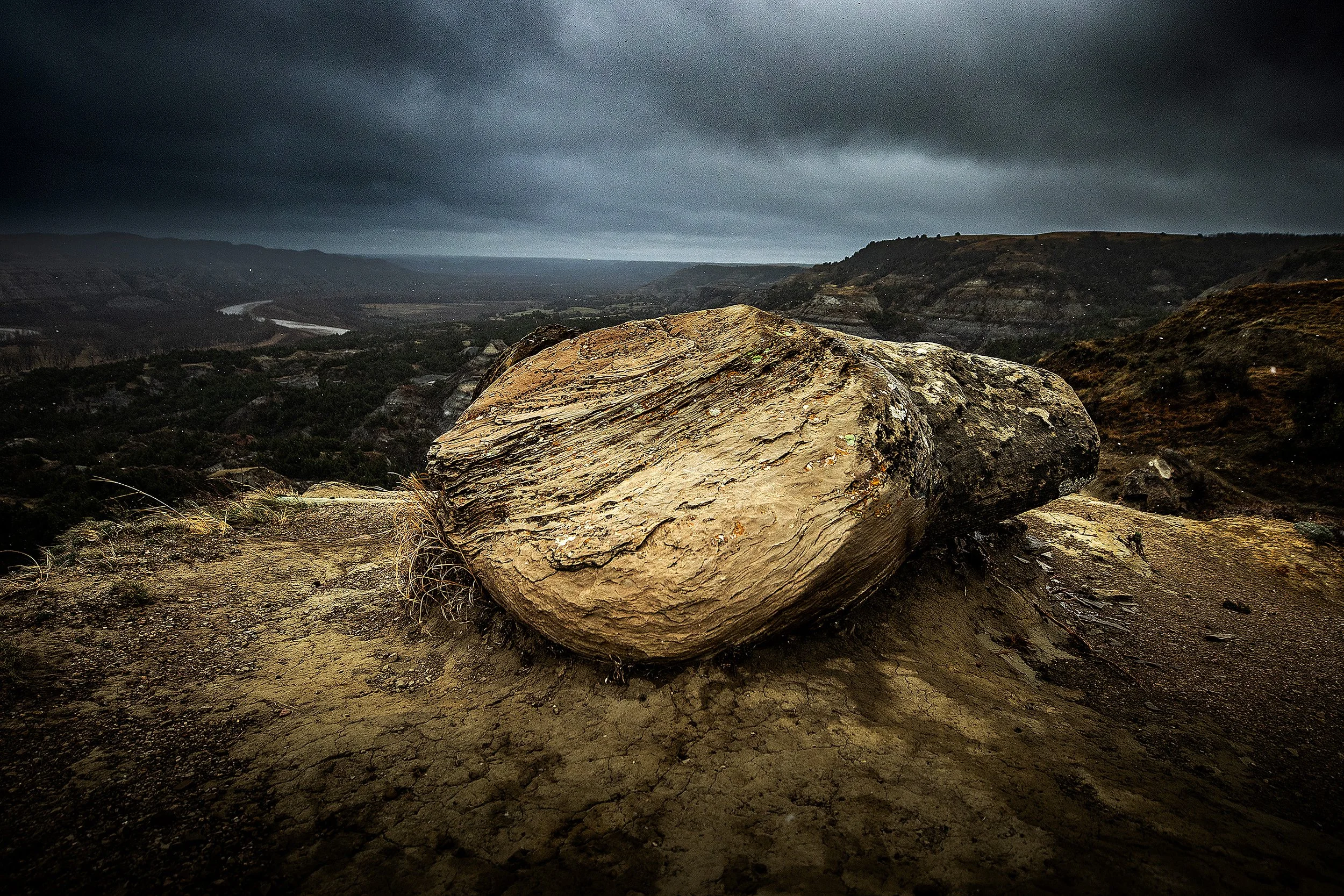
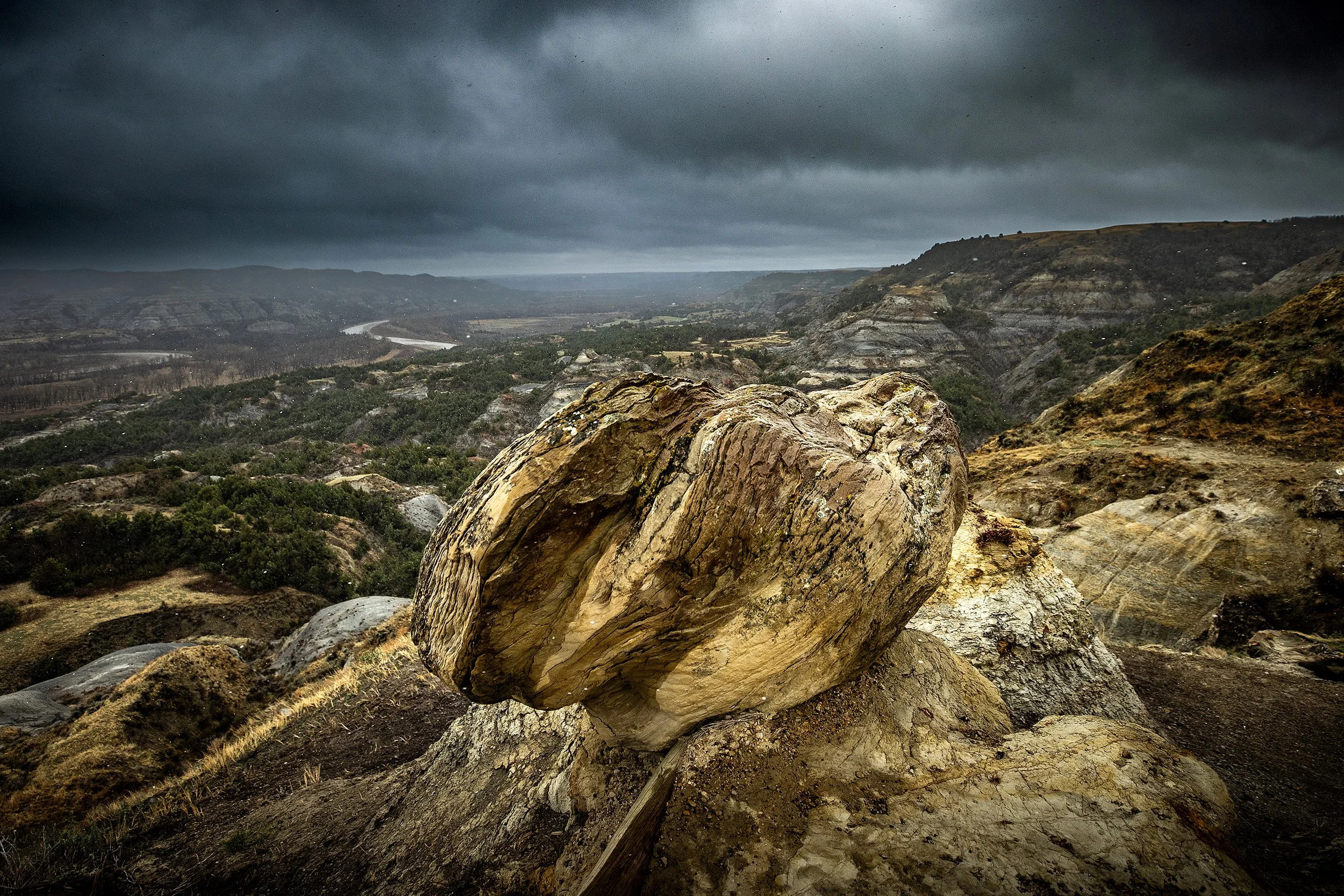
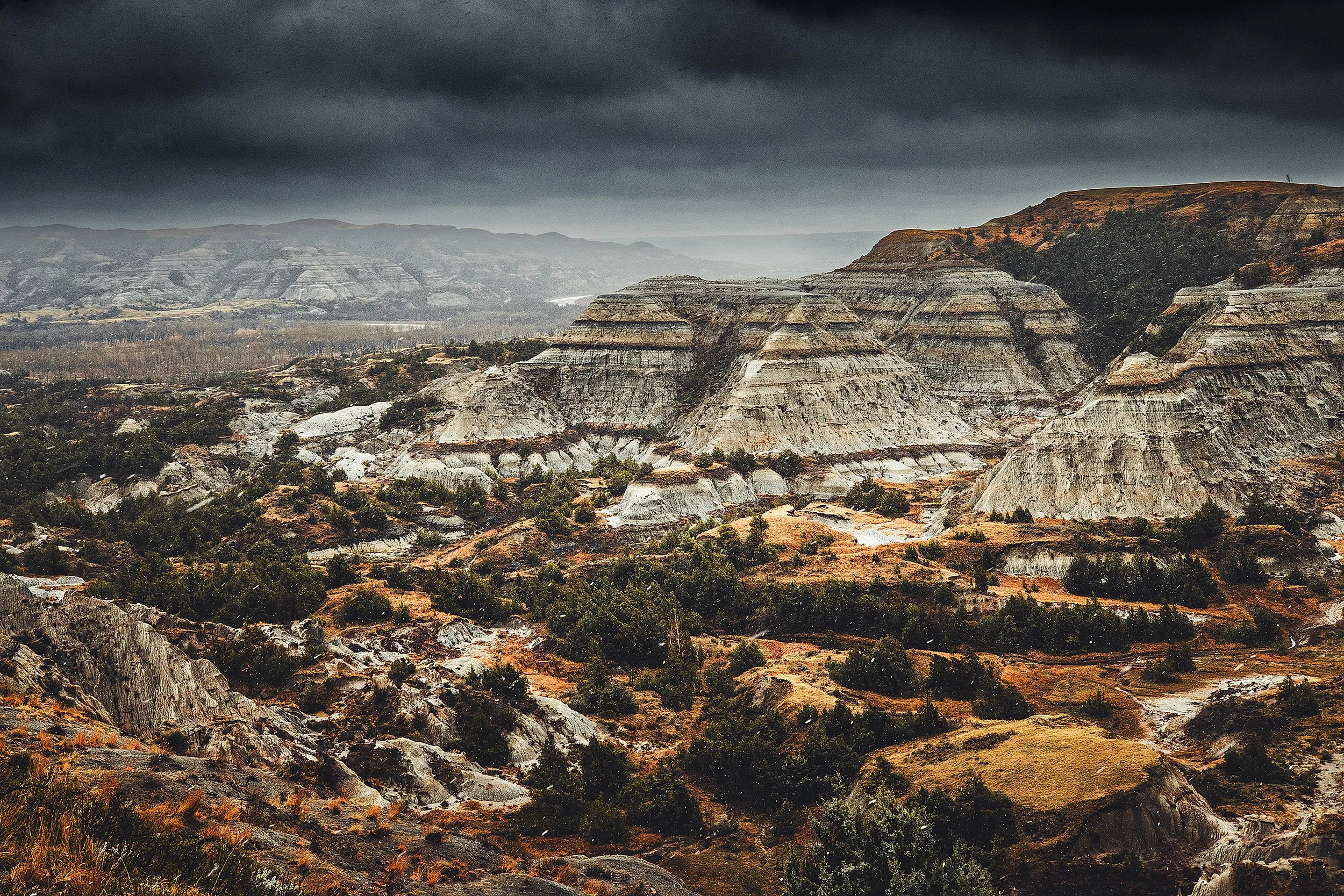
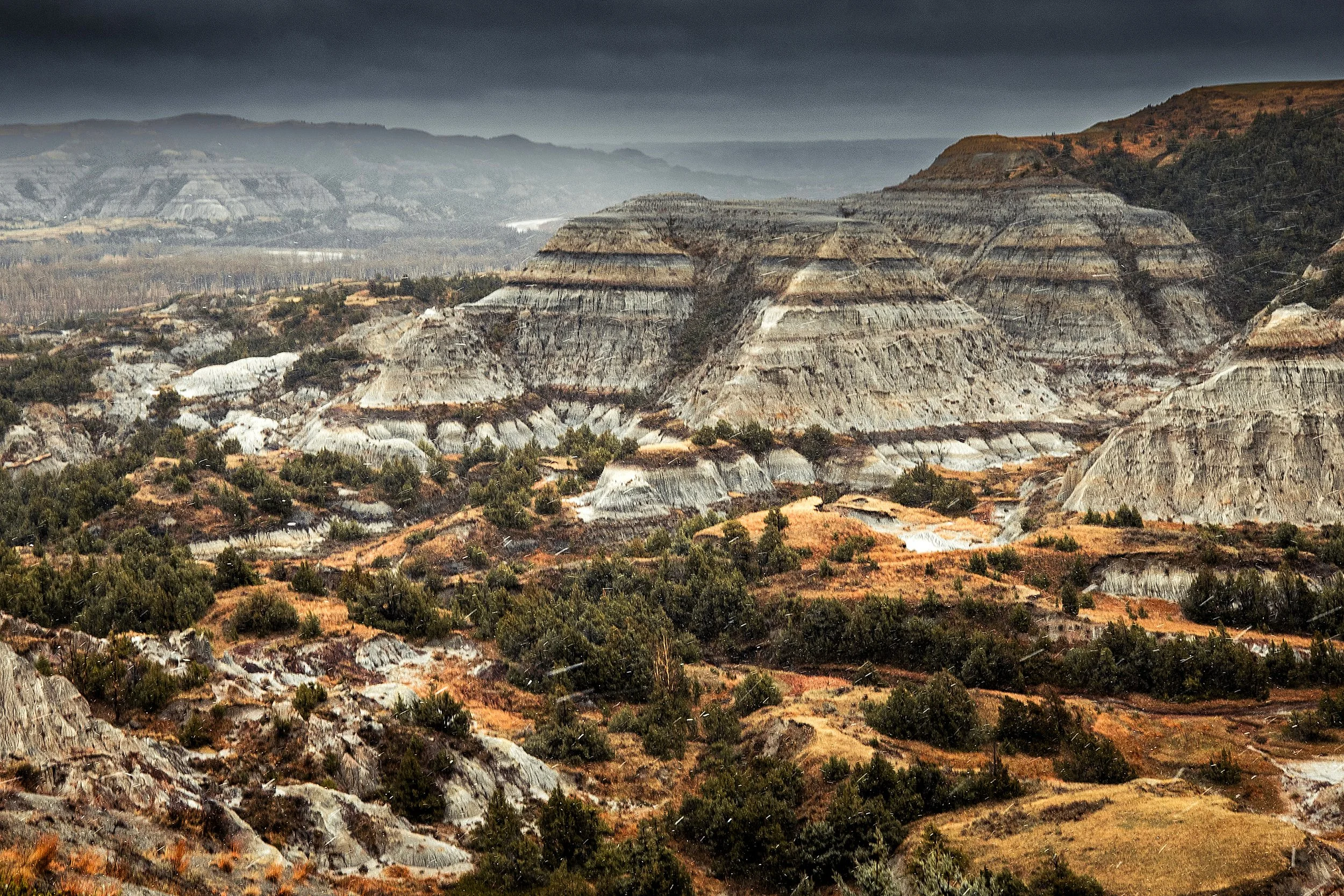
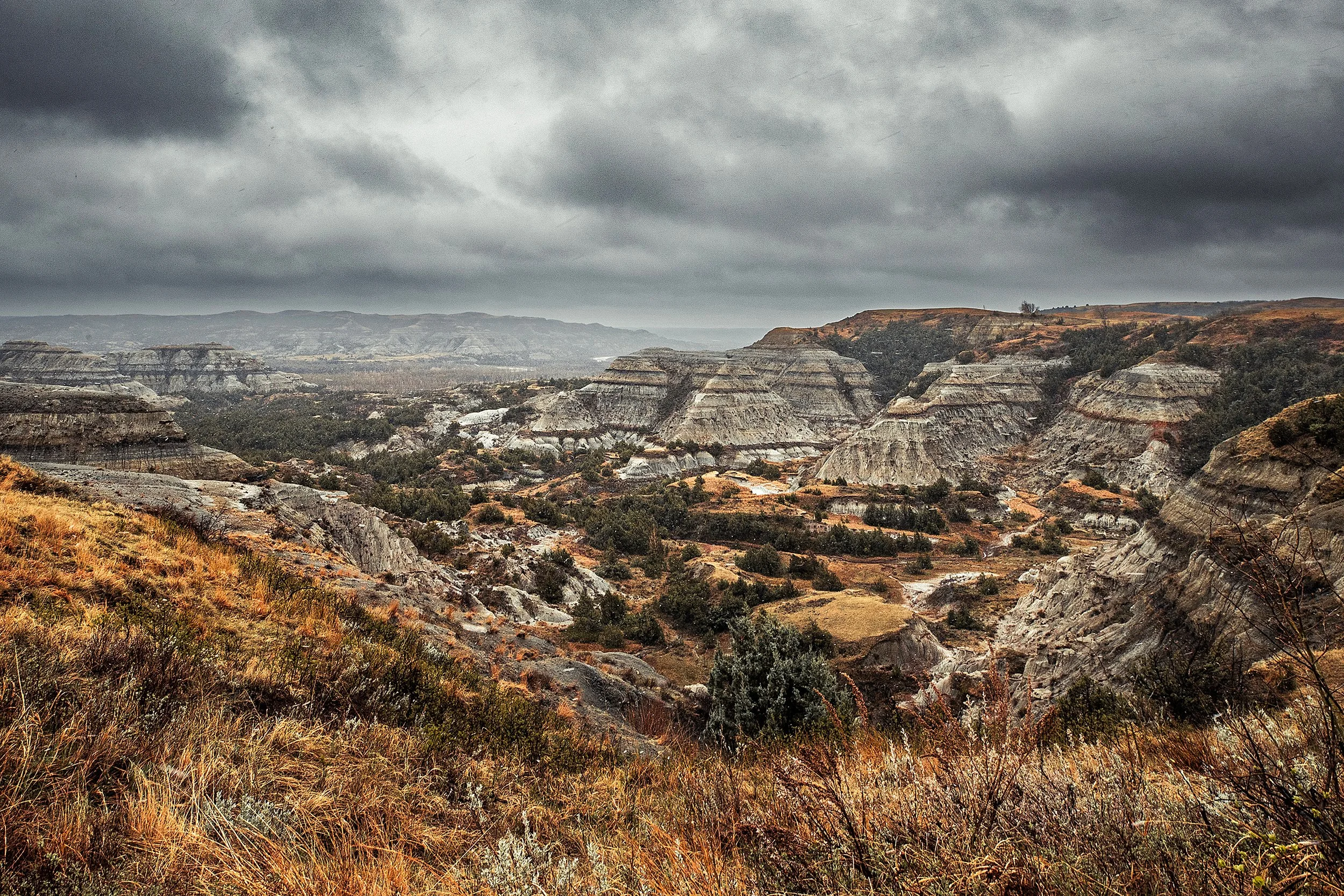
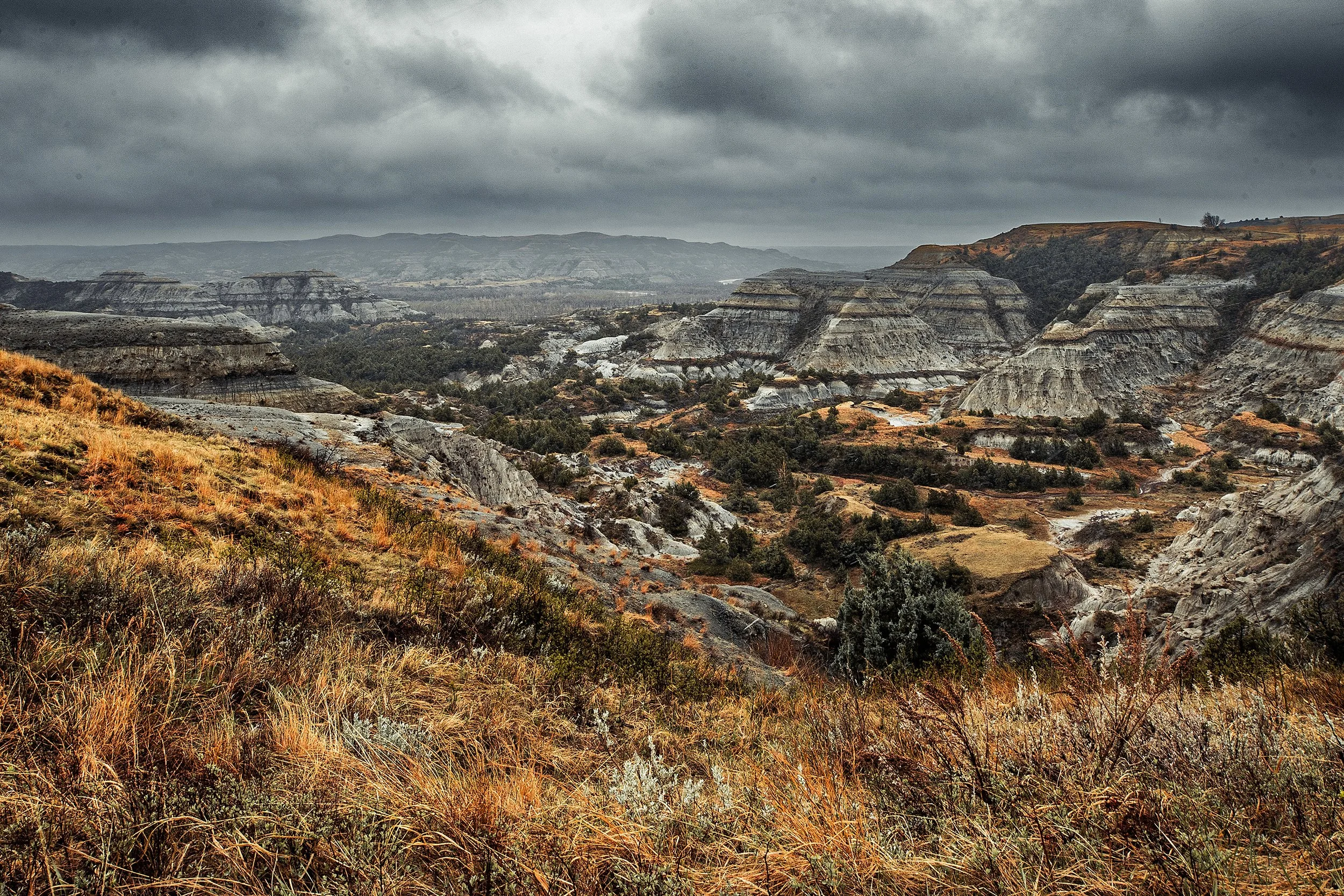
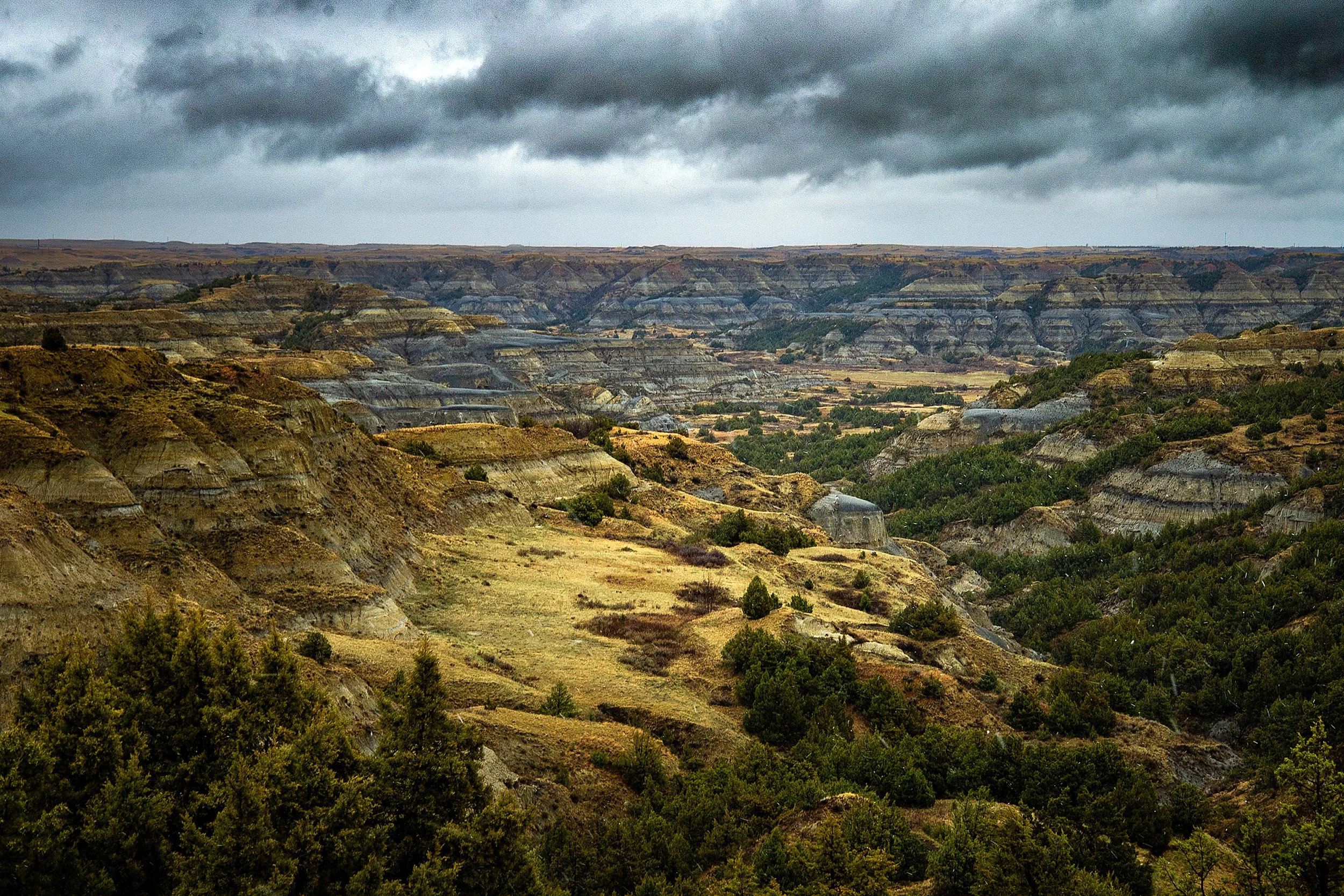
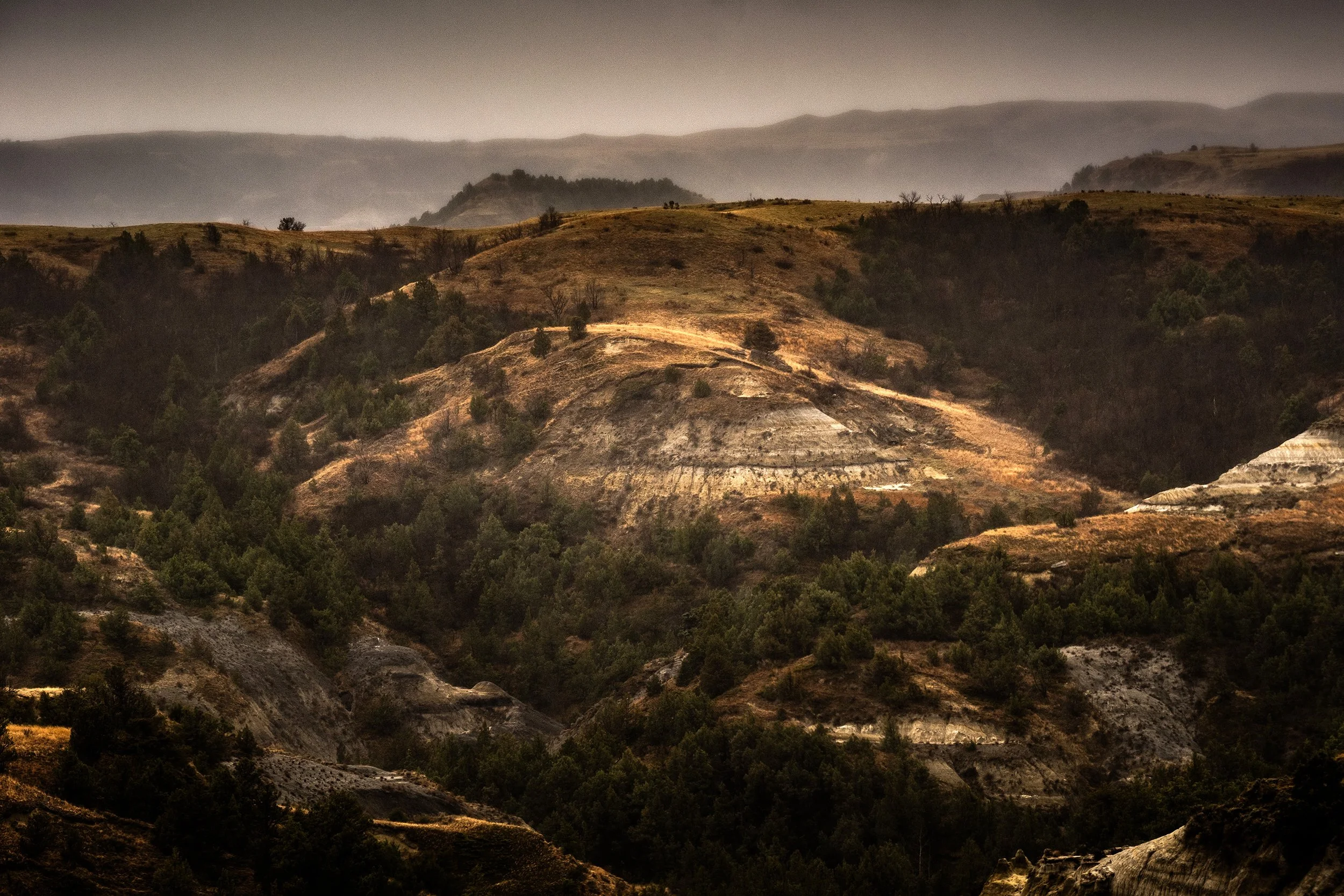
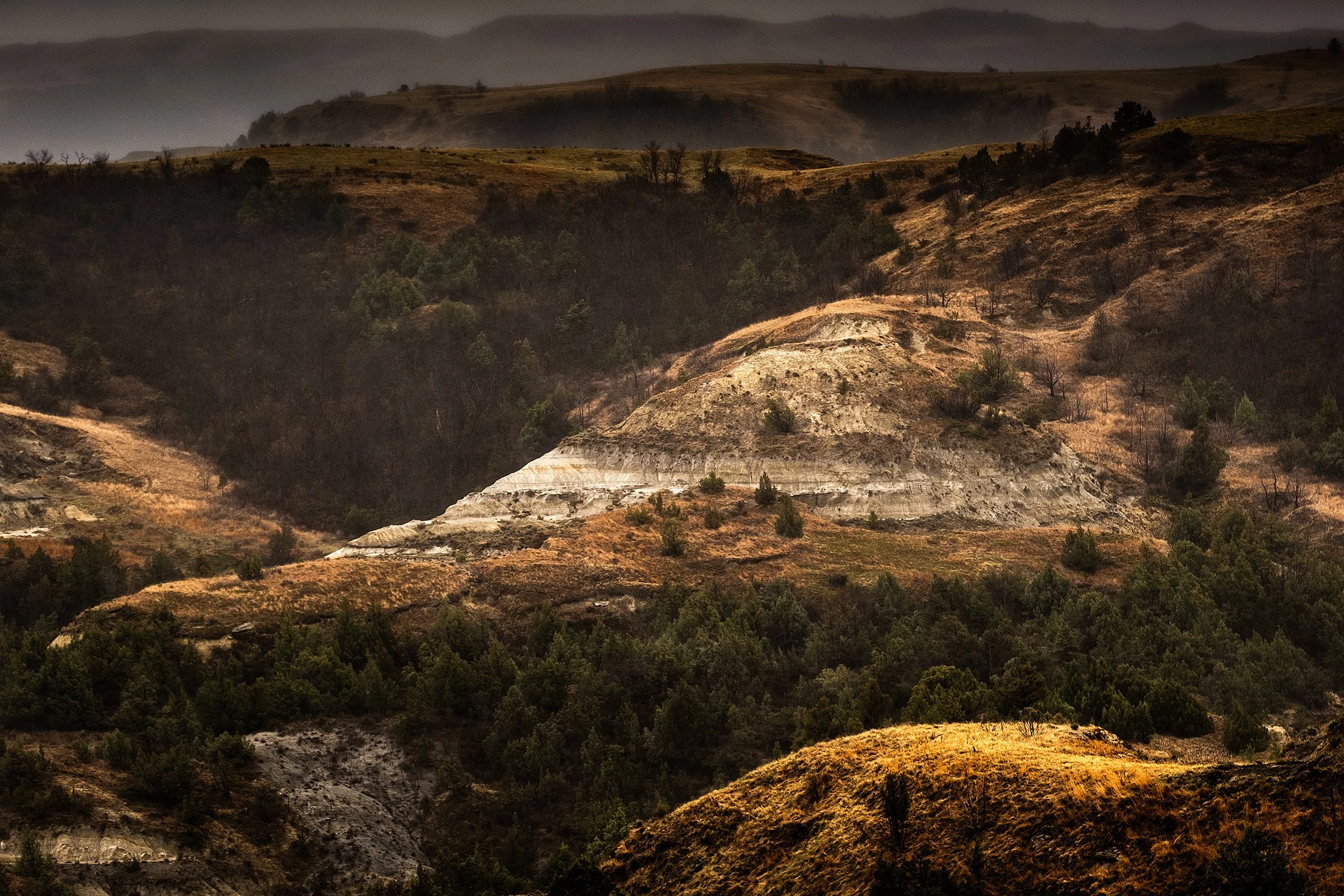
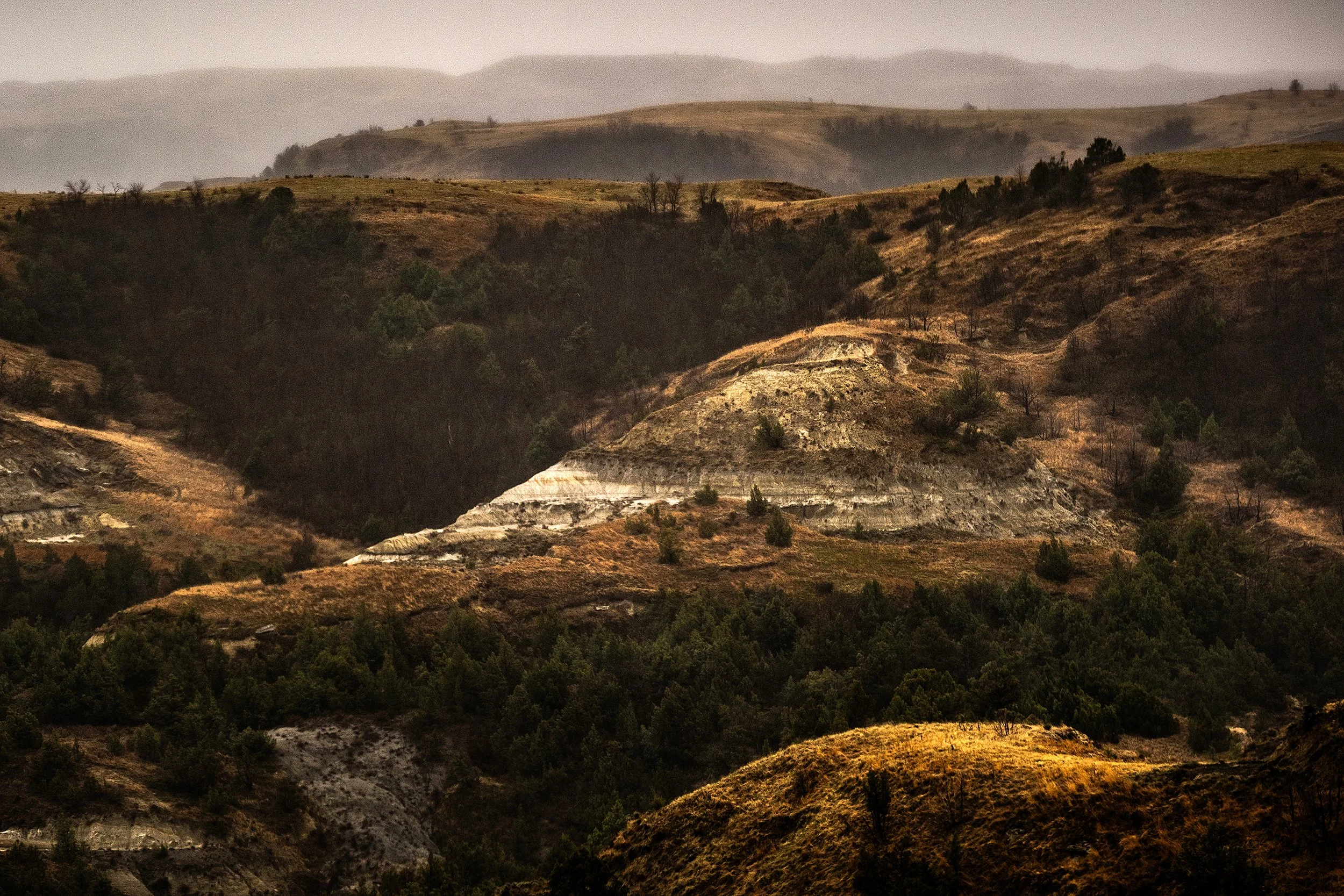
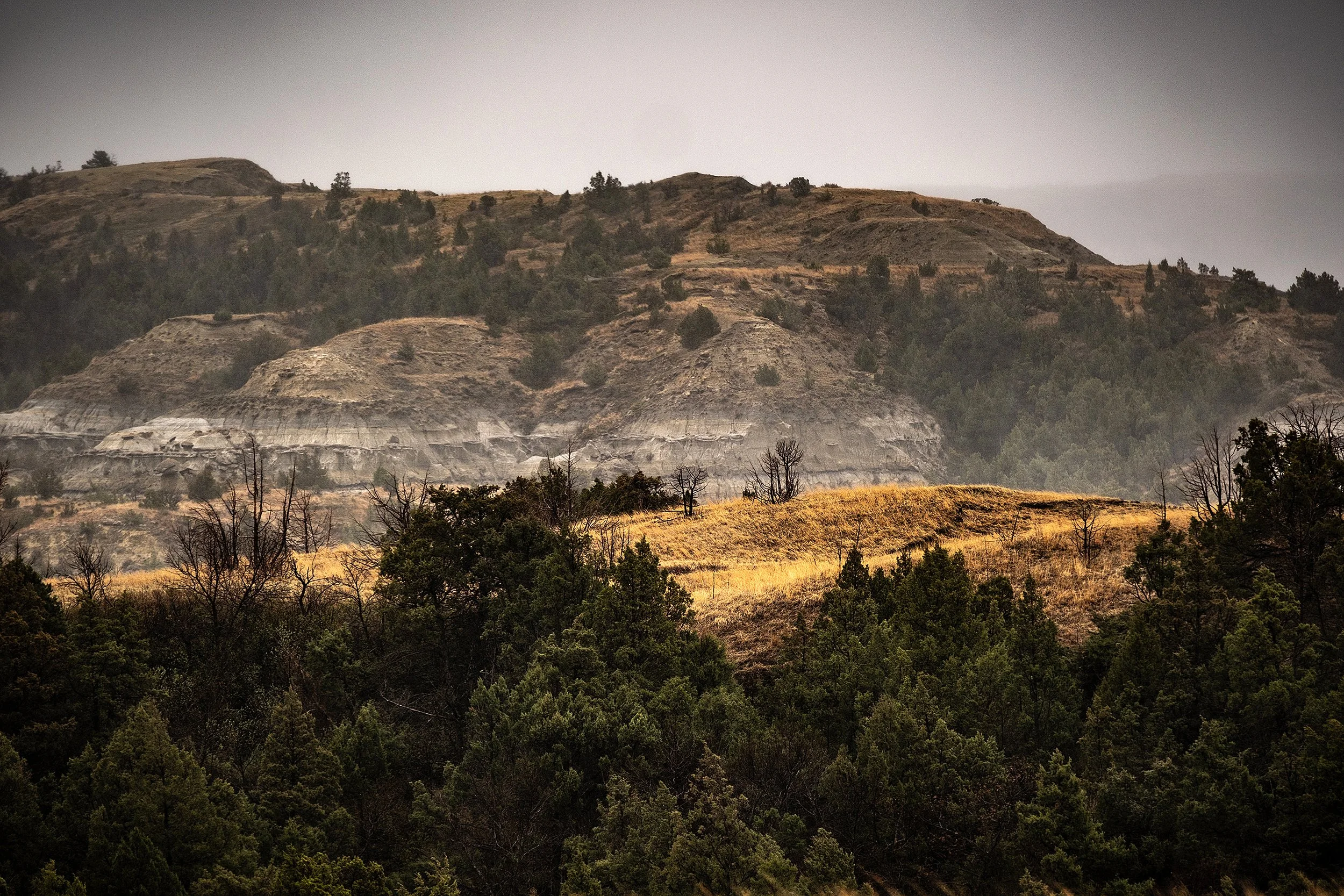
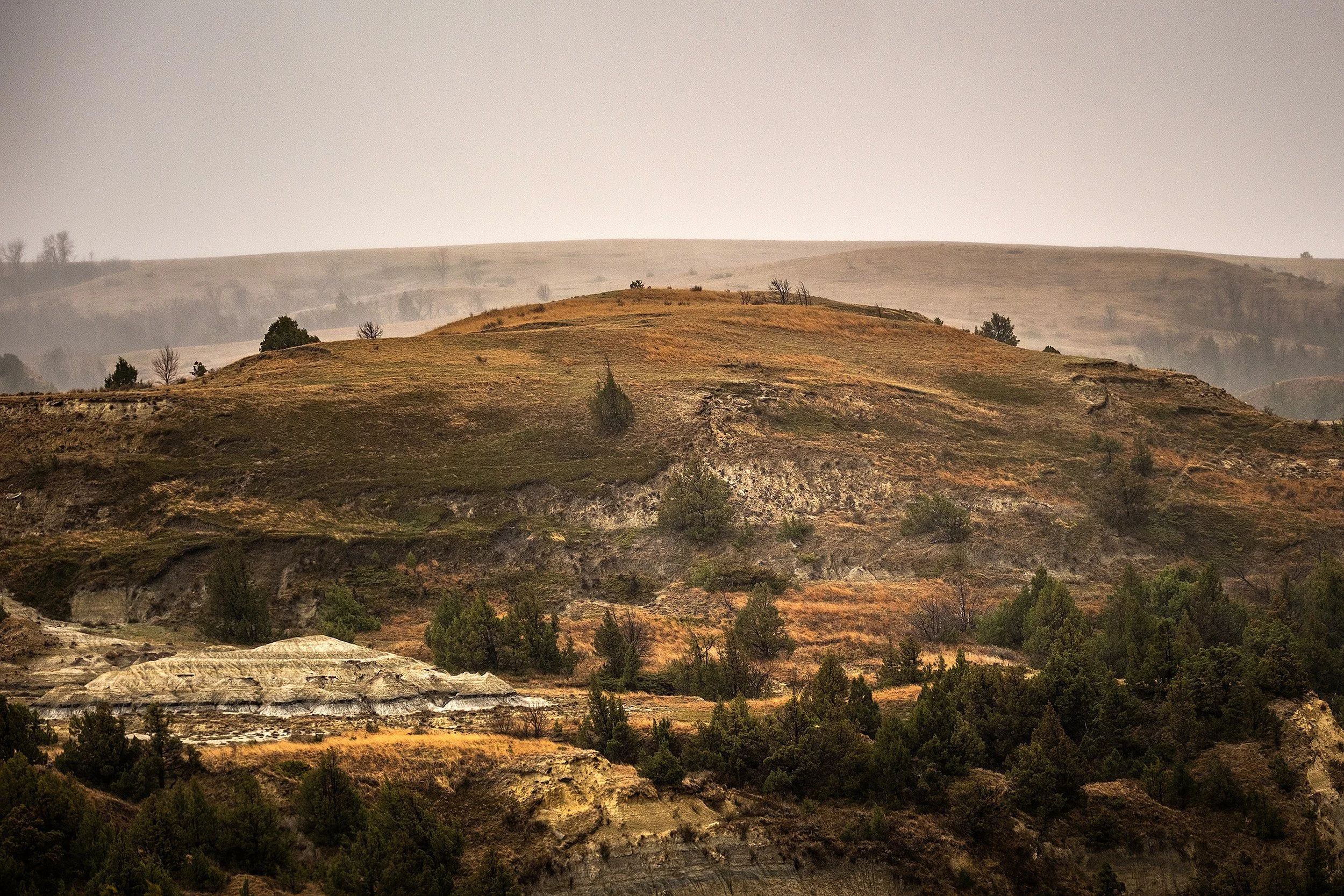
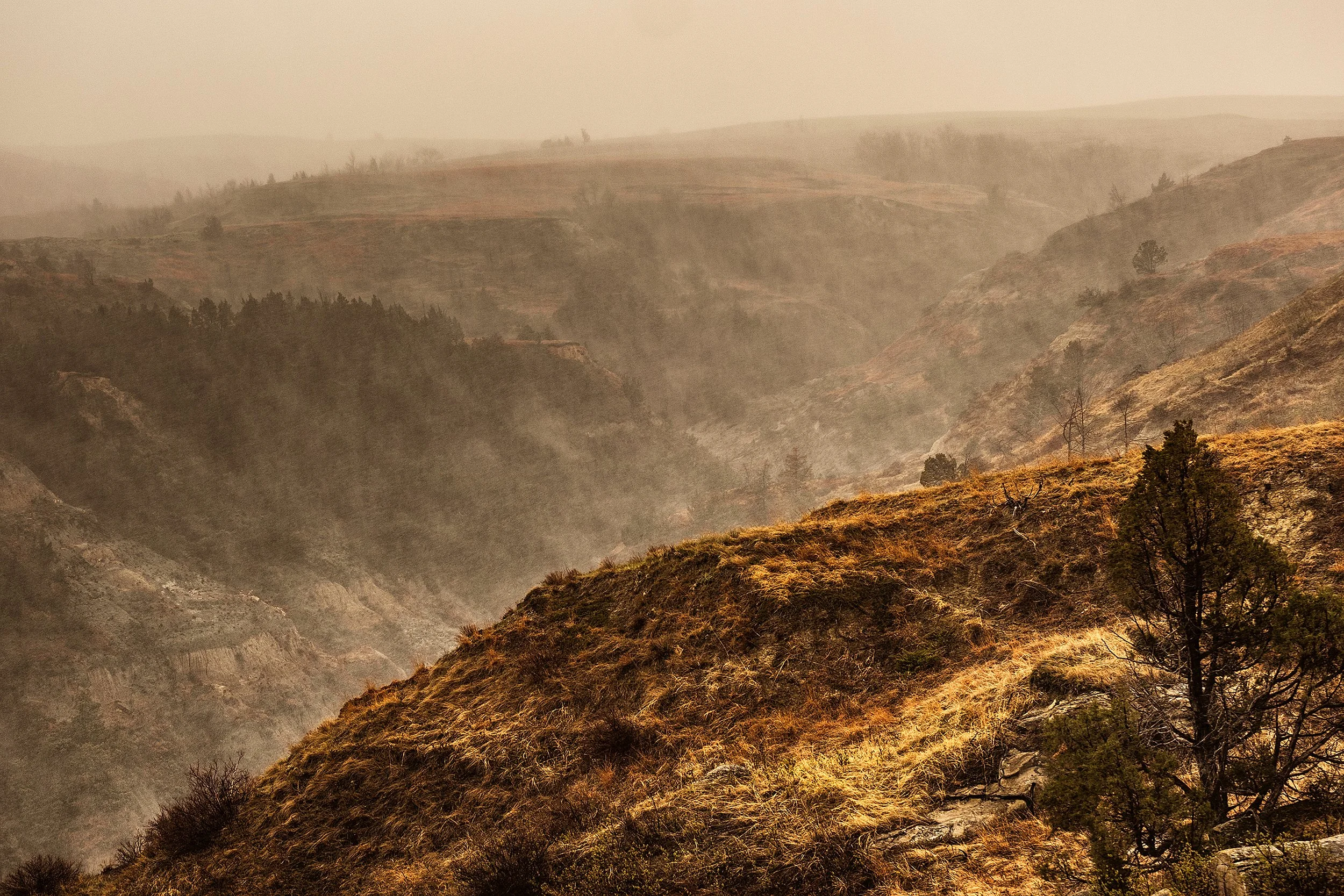
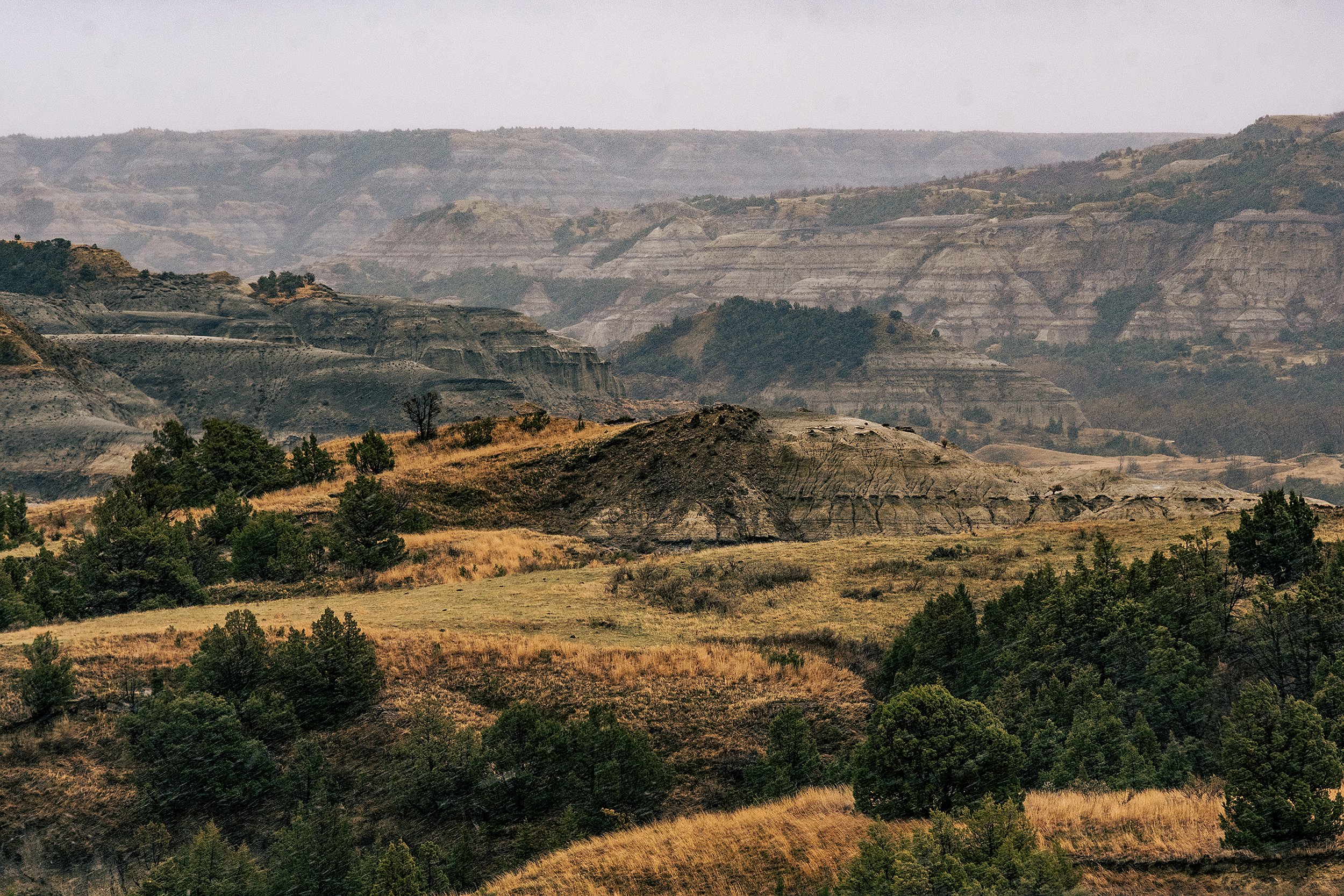
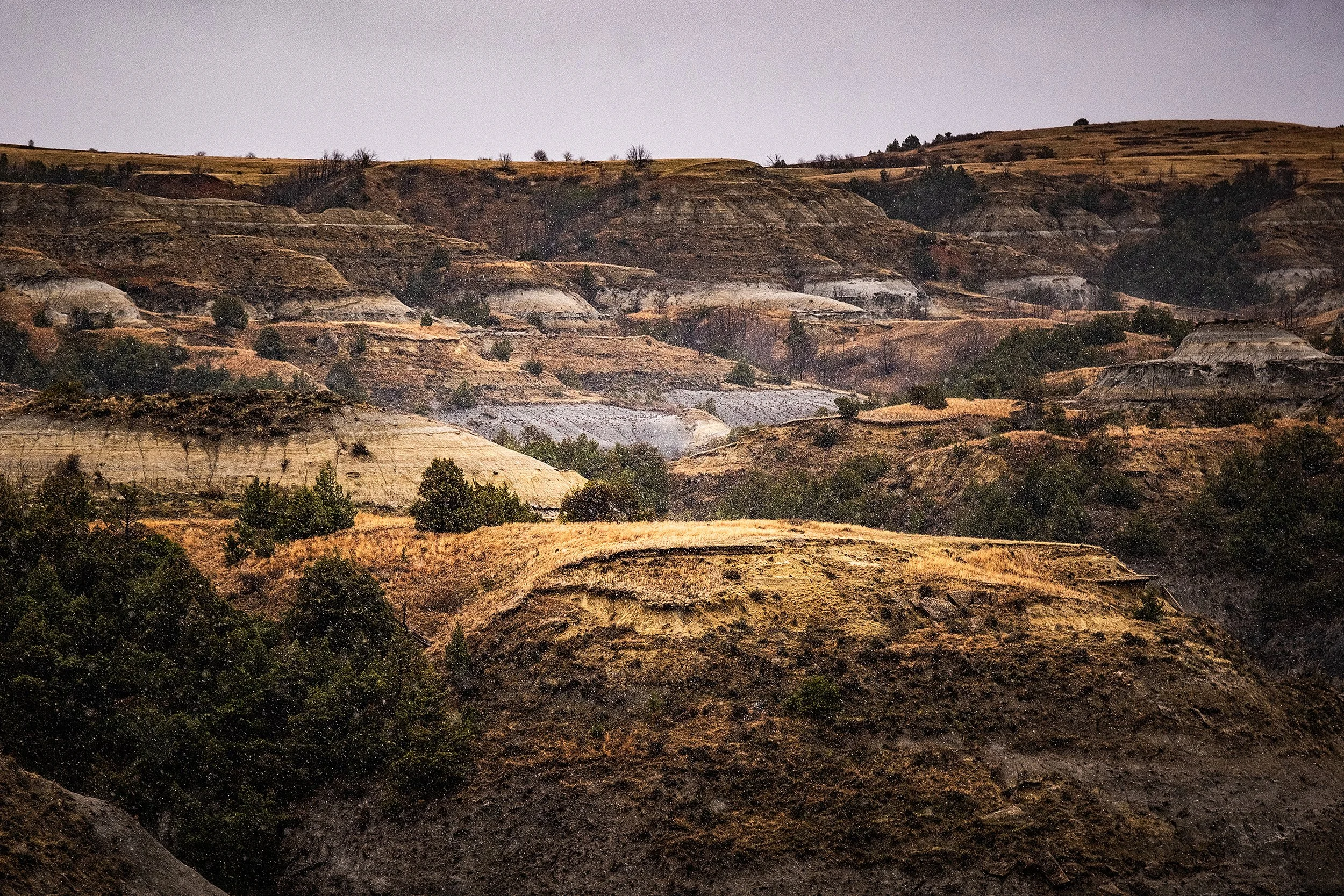
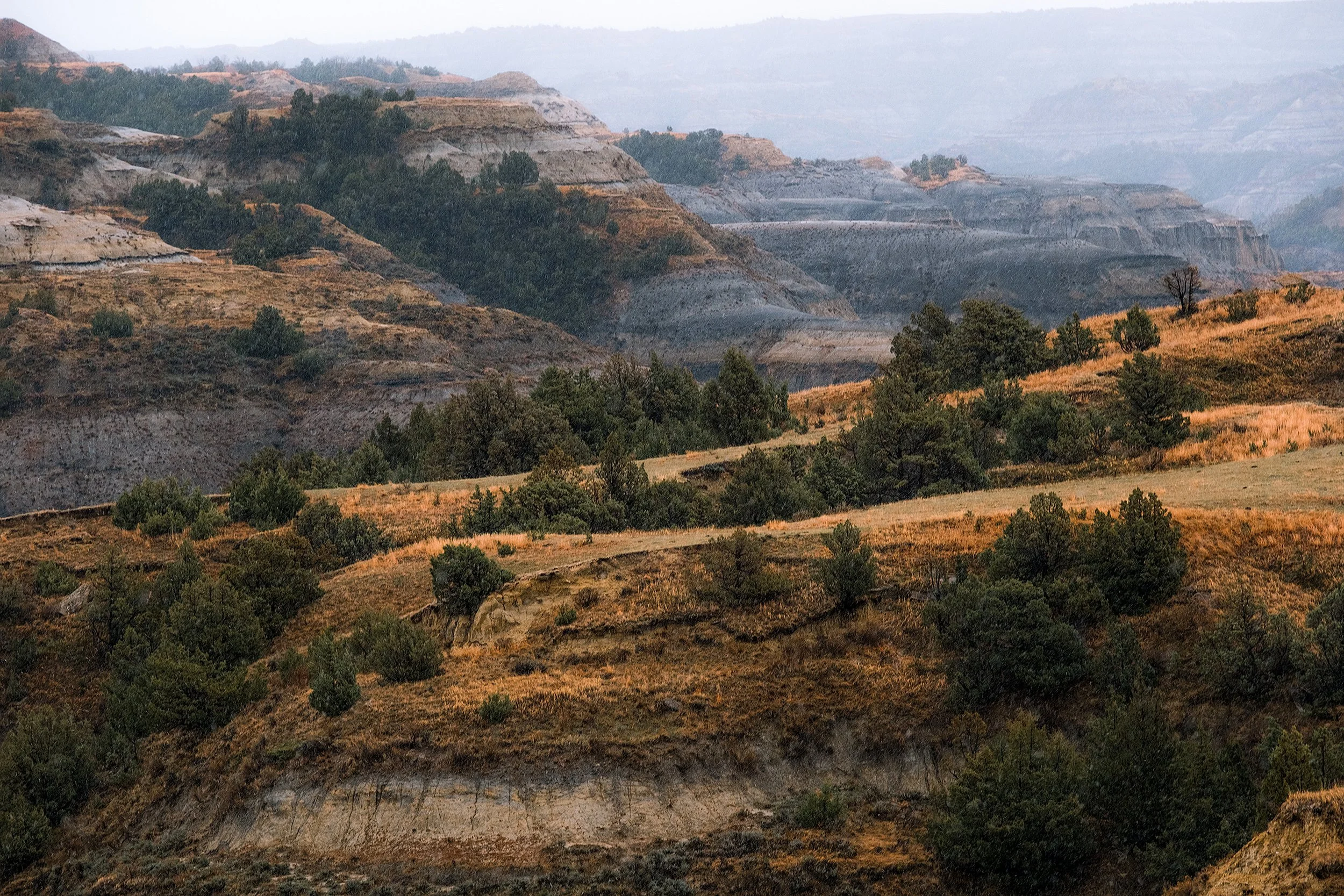
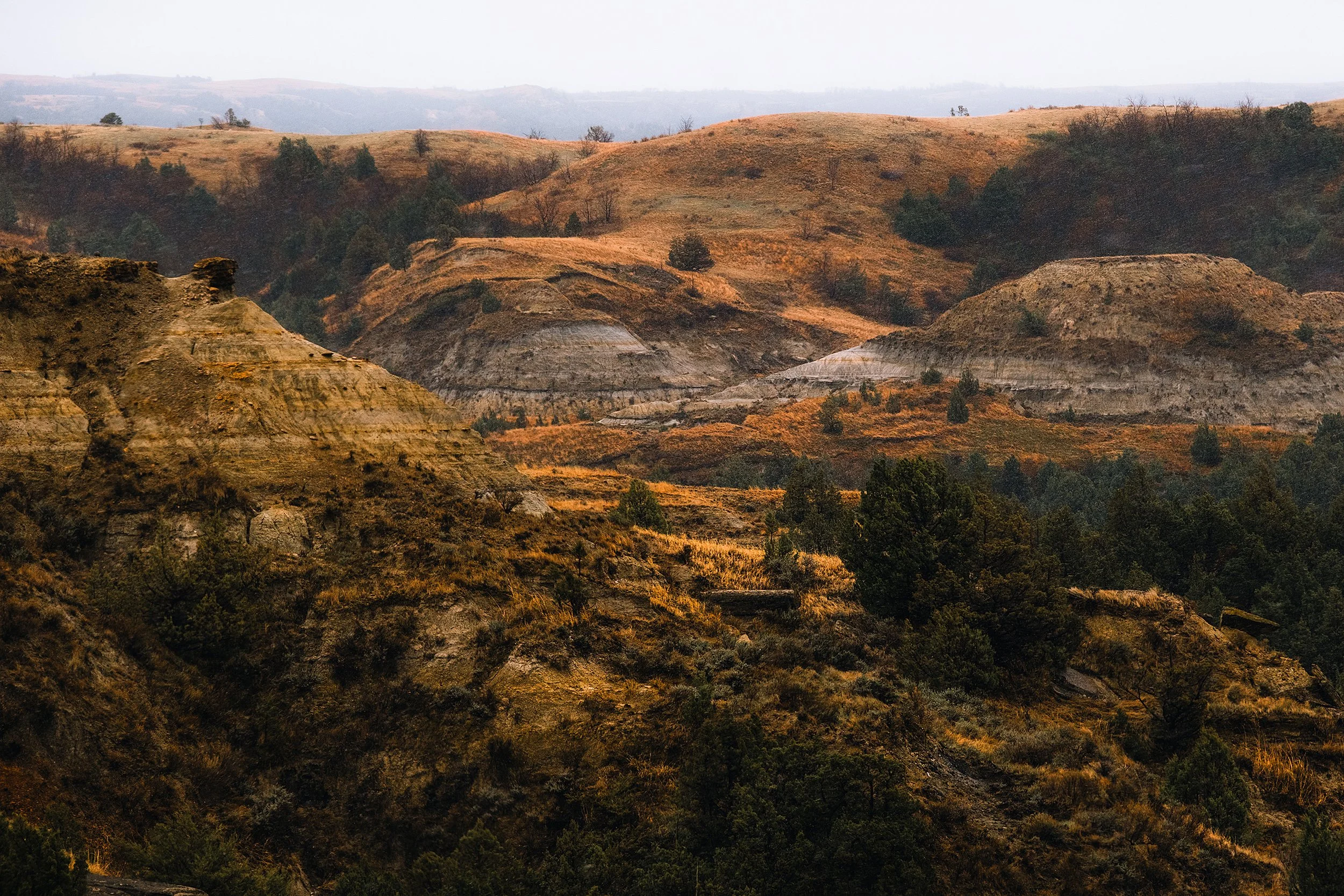
The warmth lingered just long enough to suggest ease—golden grasses, open skies, the quiet hum of a forgiving season. Then it broke. Temperatures dropped into the mid-30s, and the wind carved through the valleys with force.
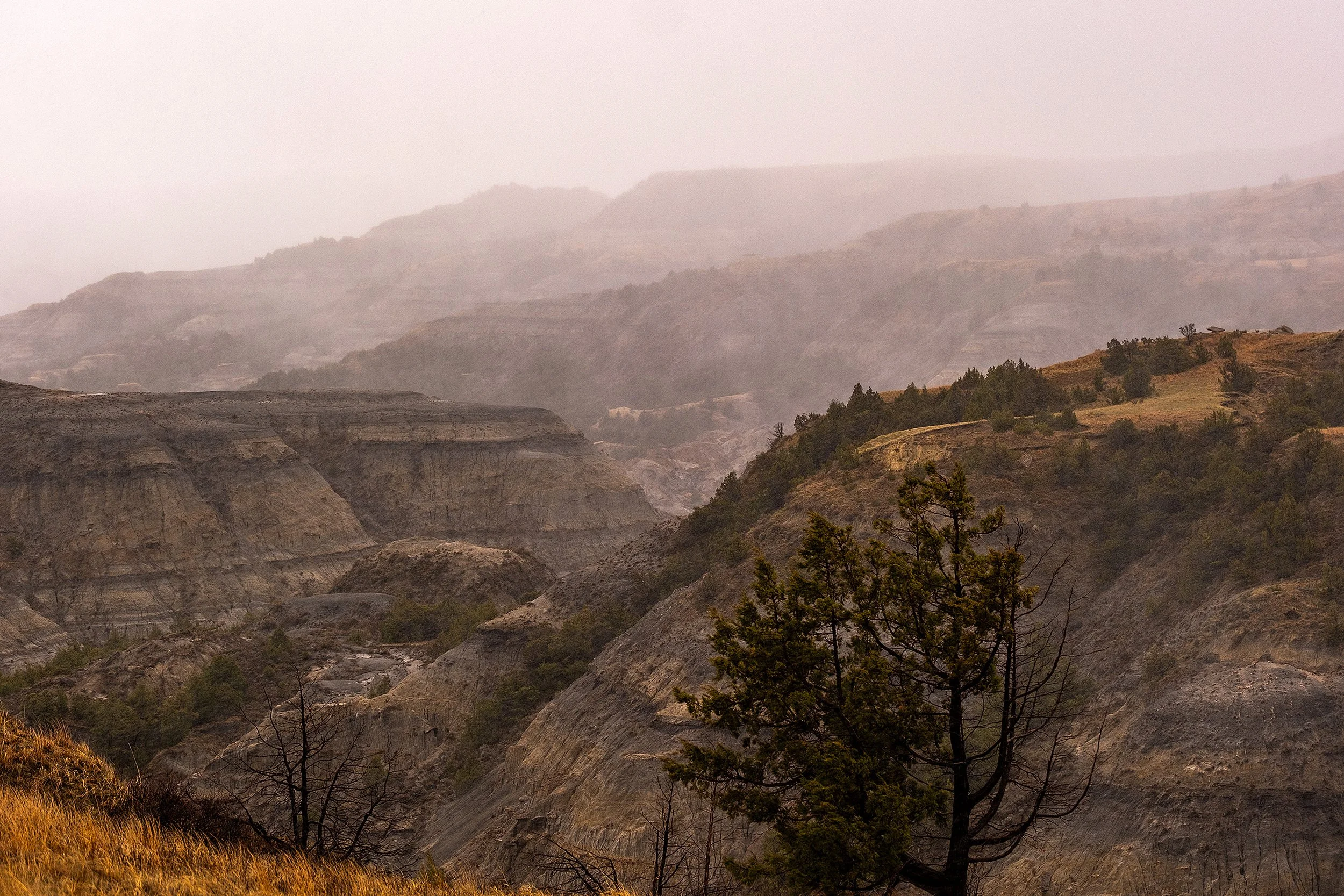
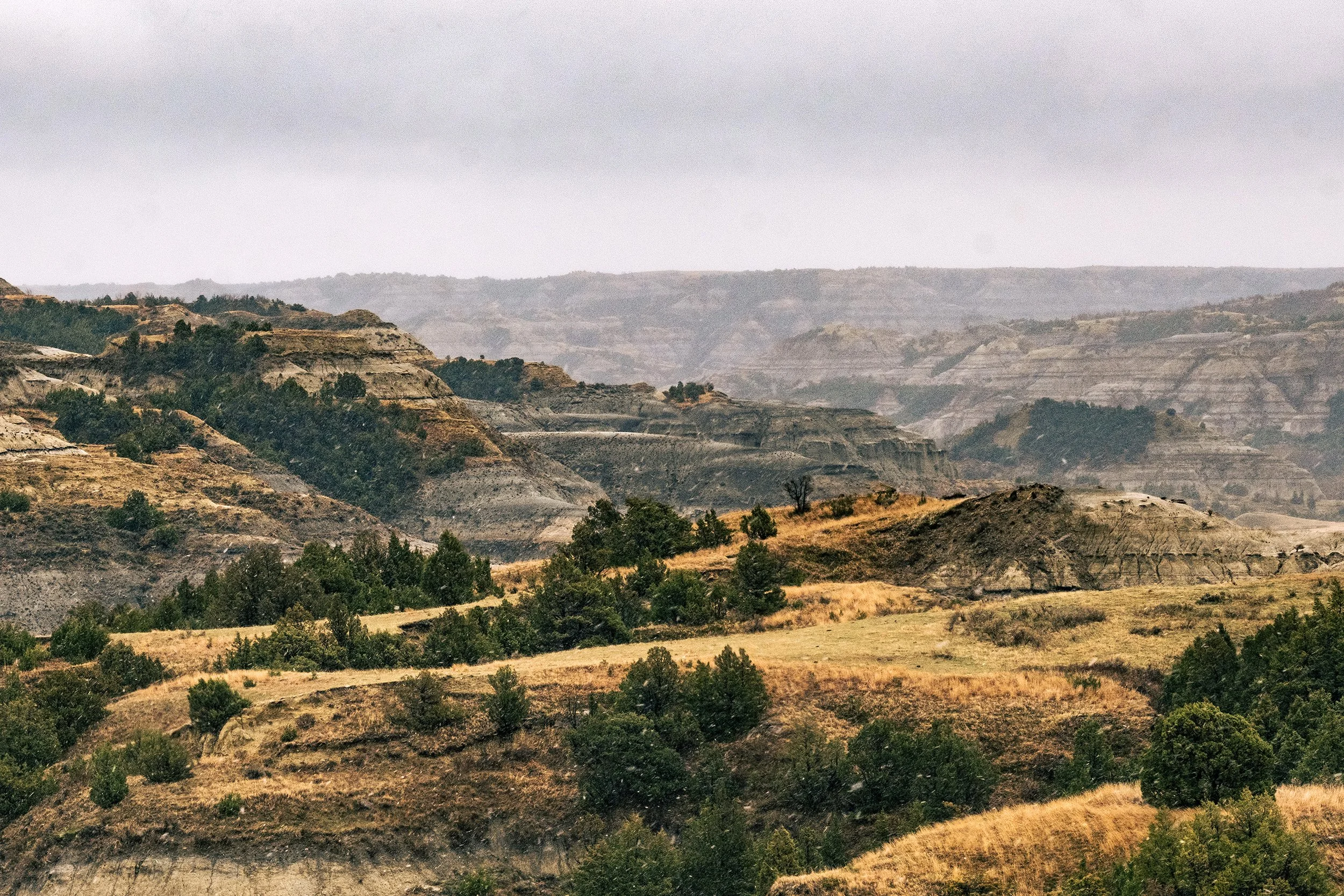
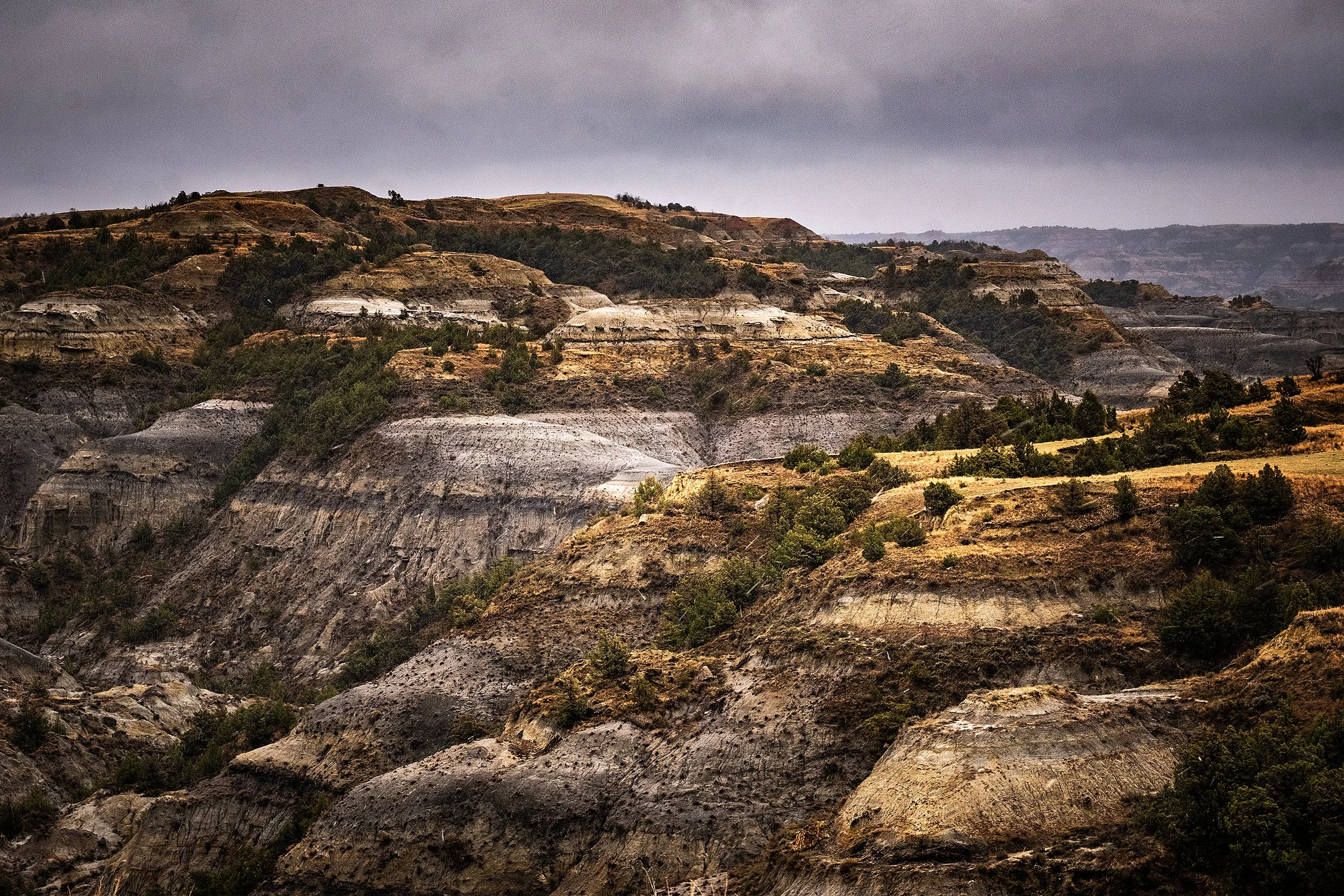
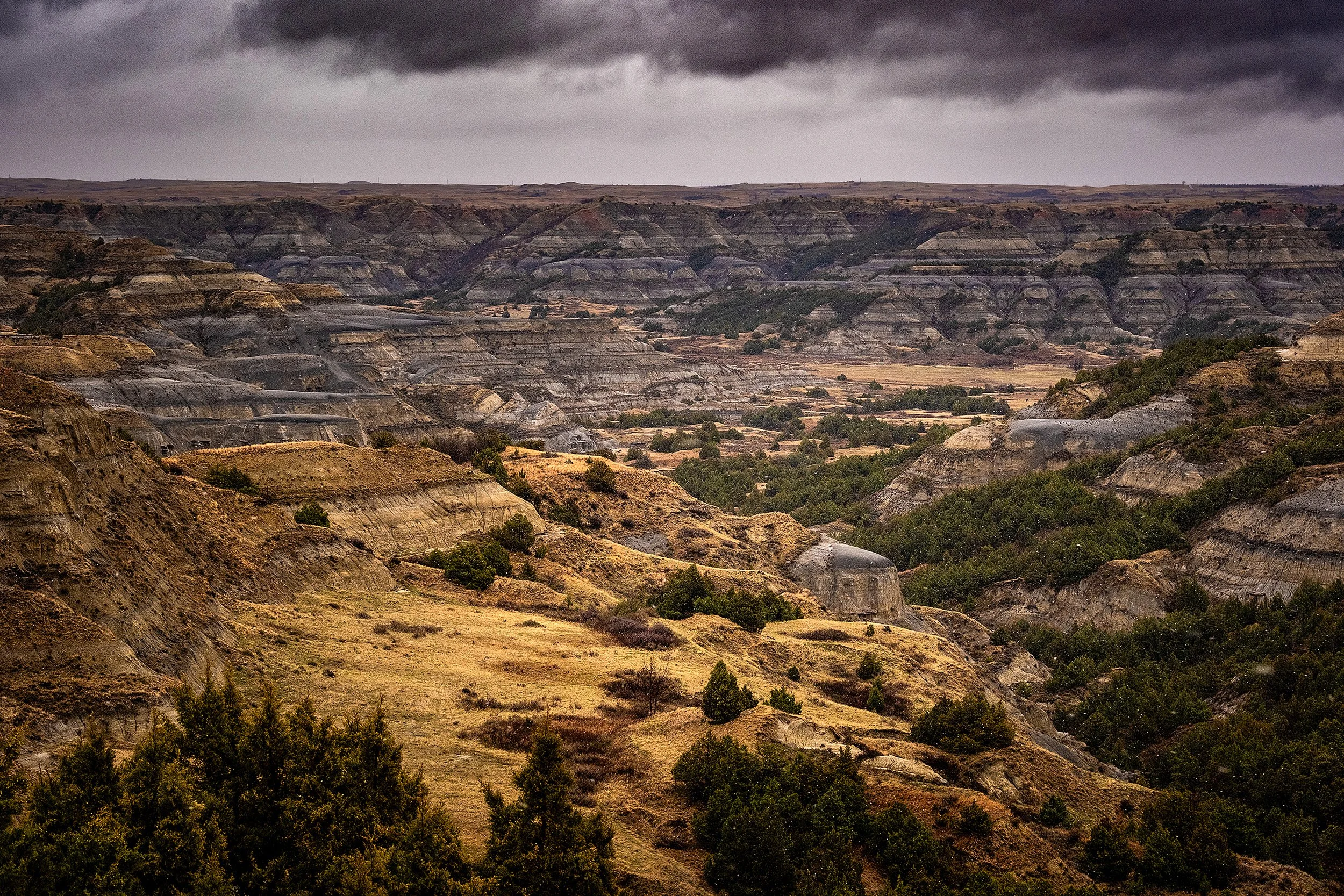
Clouds thickened. Light flattened. The land, once open and warm, pulled inward.
Mood Over Perfection
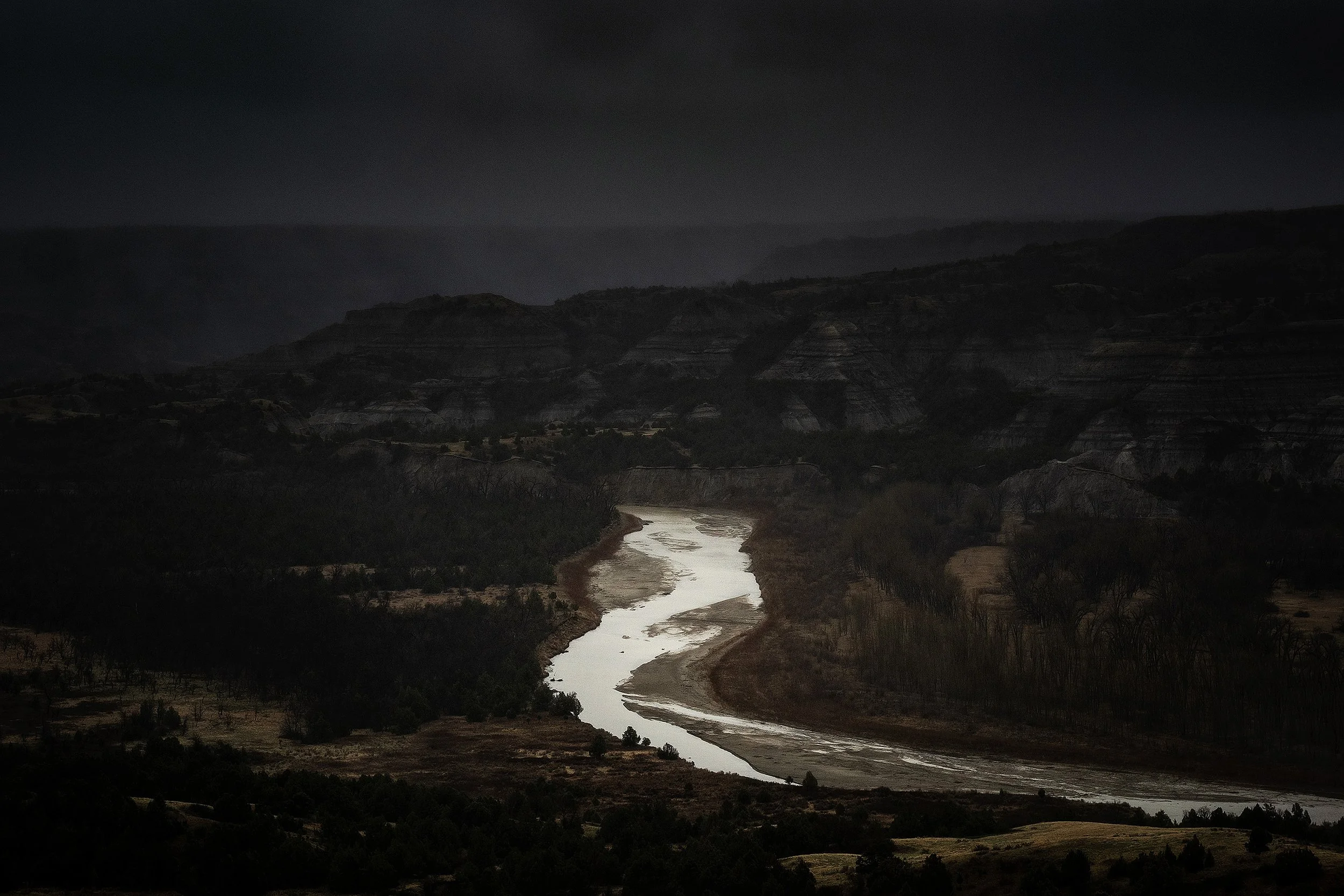
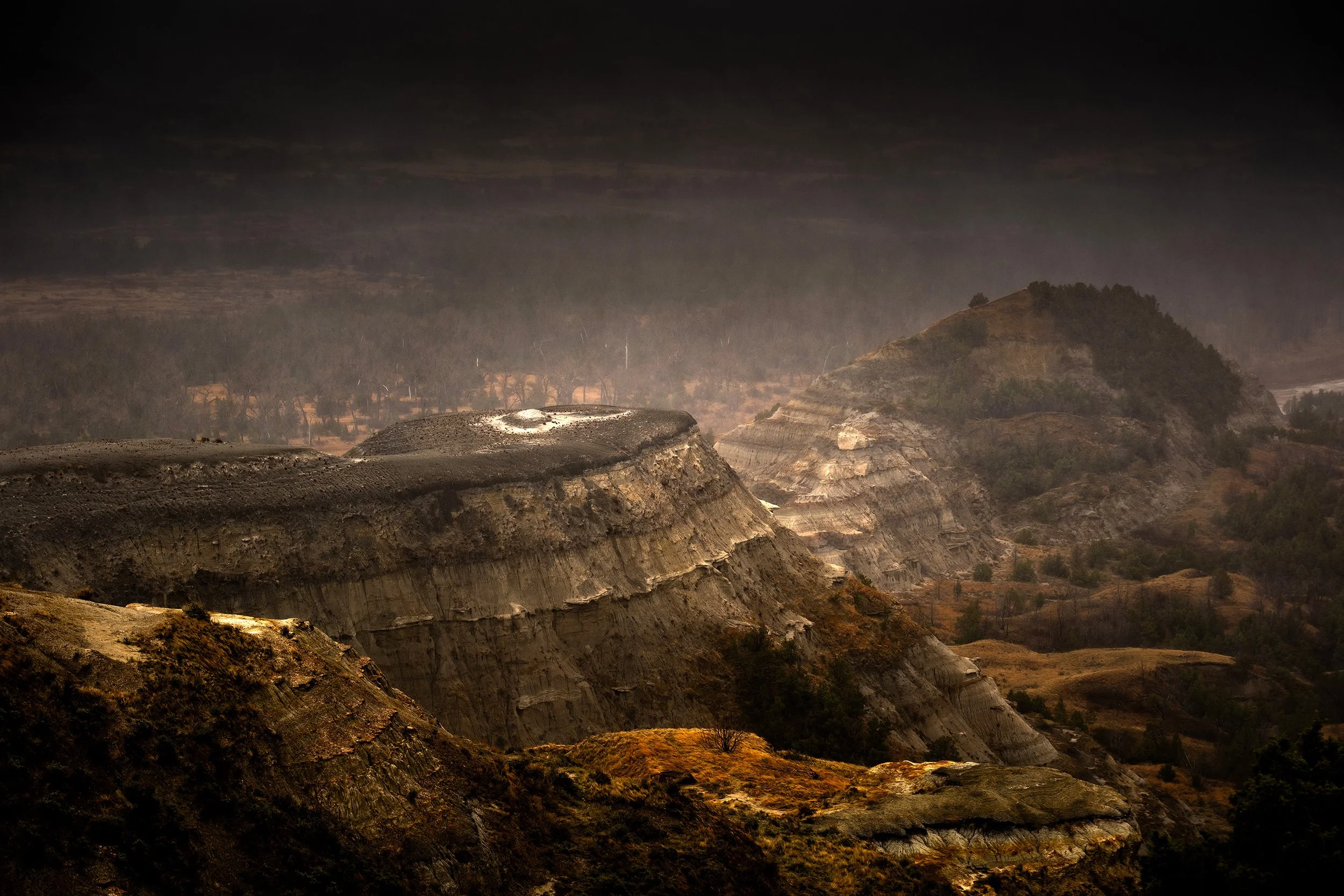
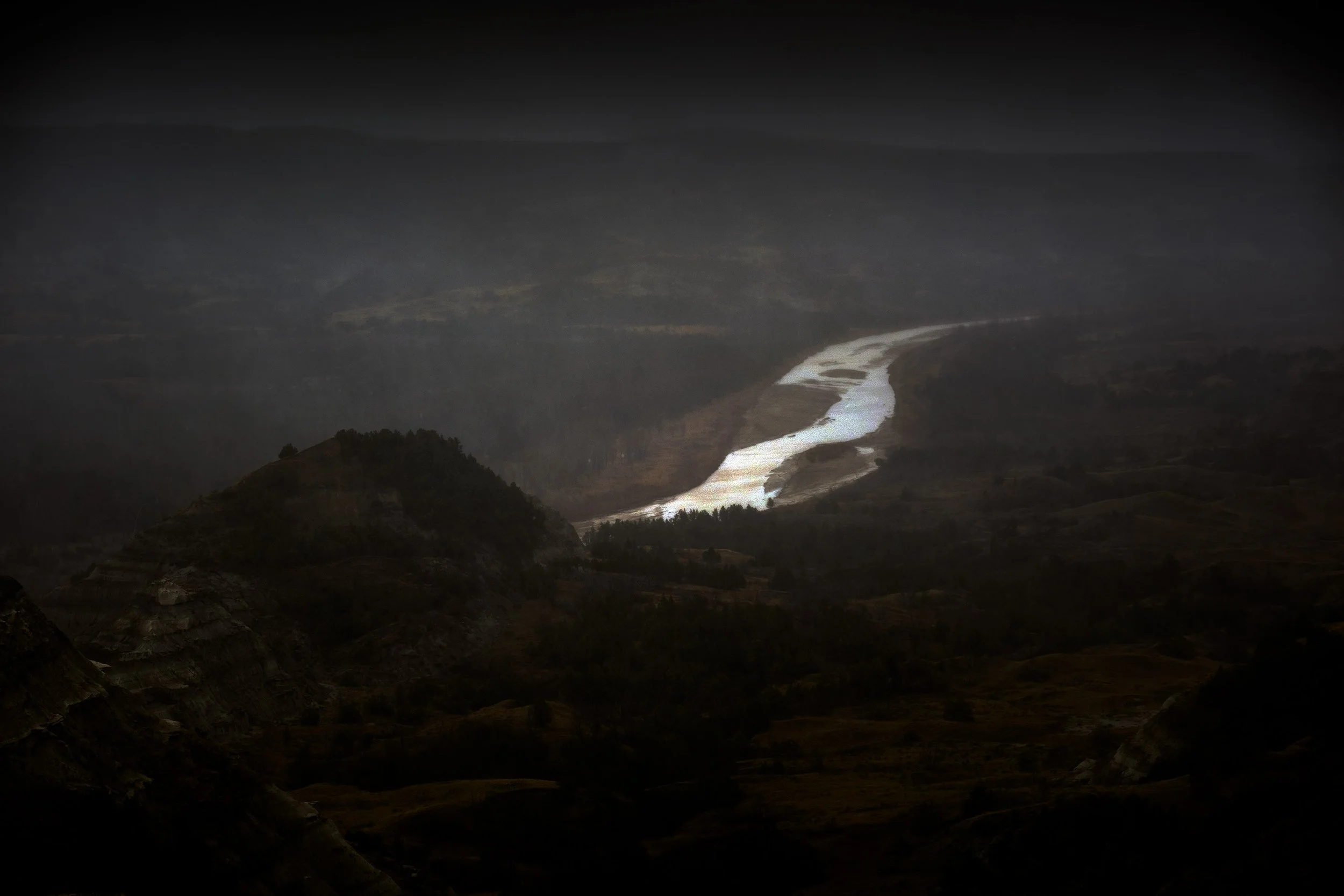
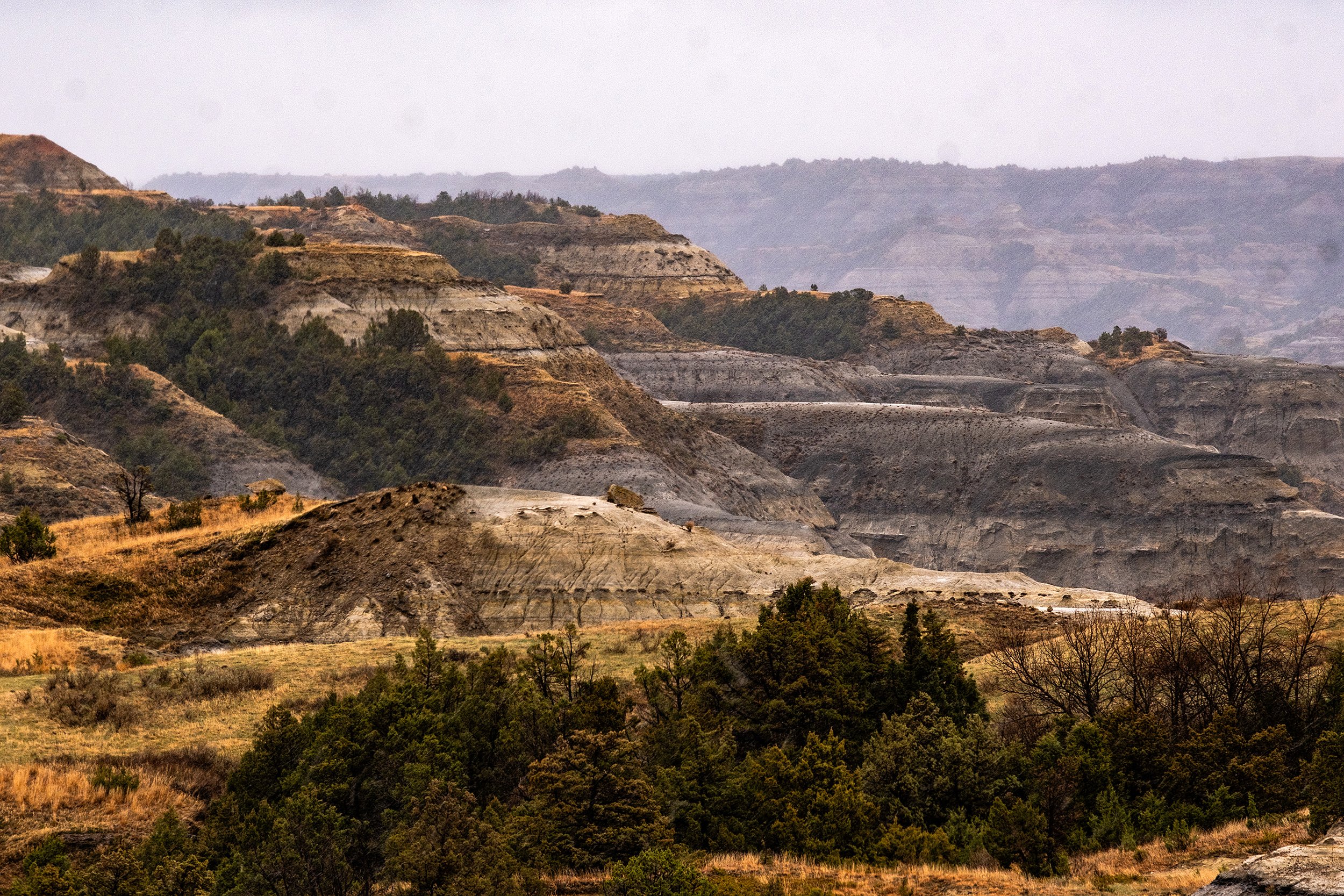
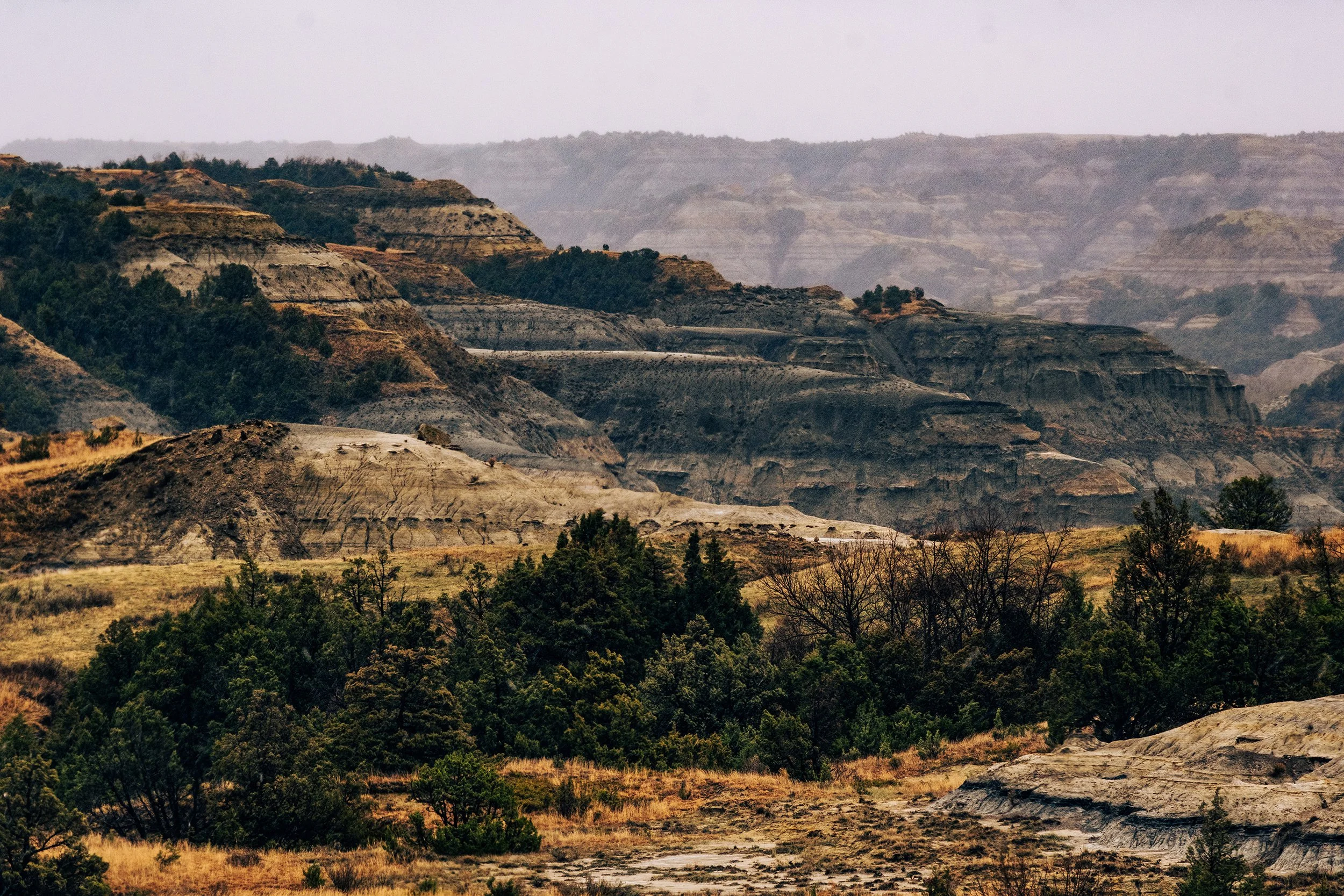
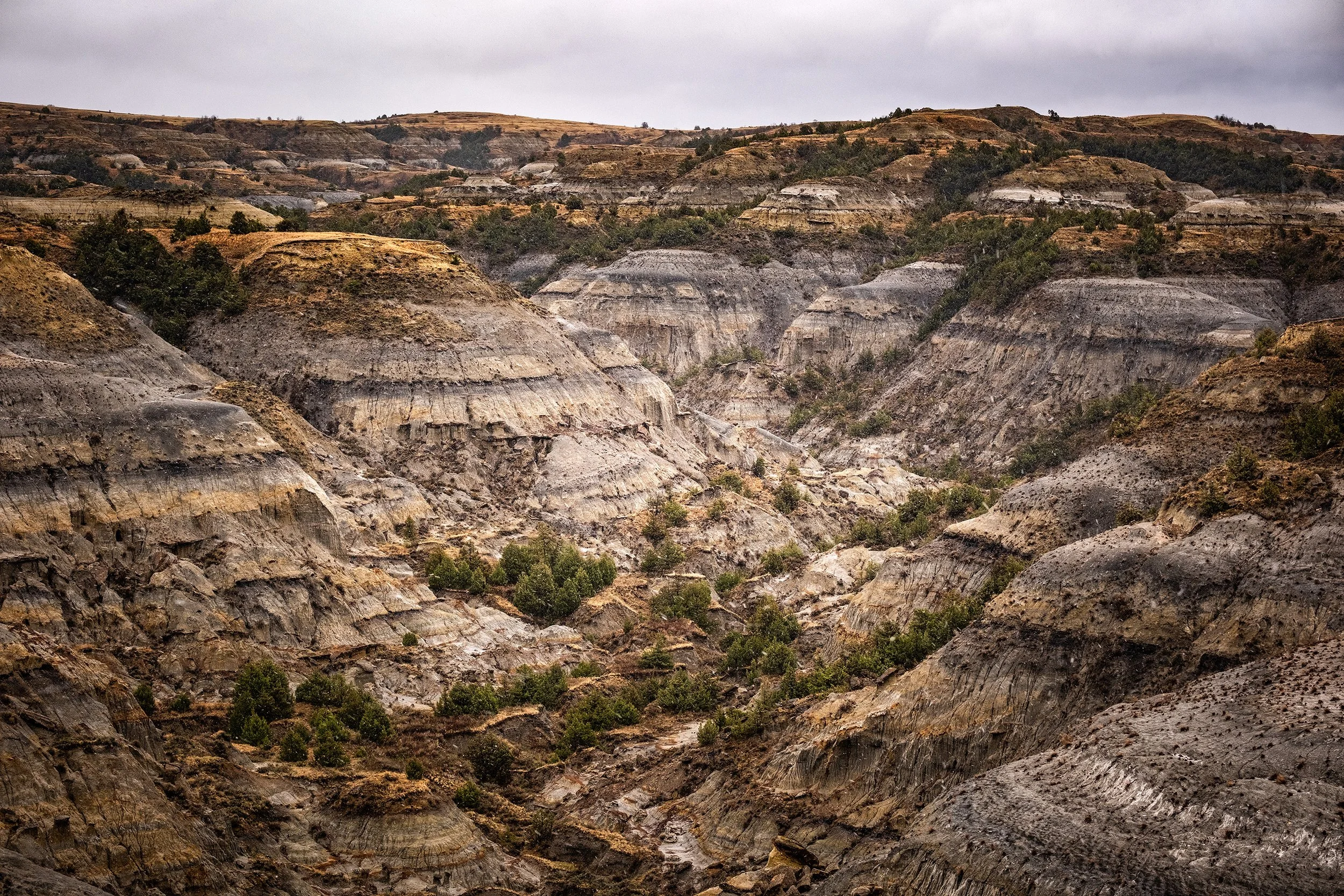
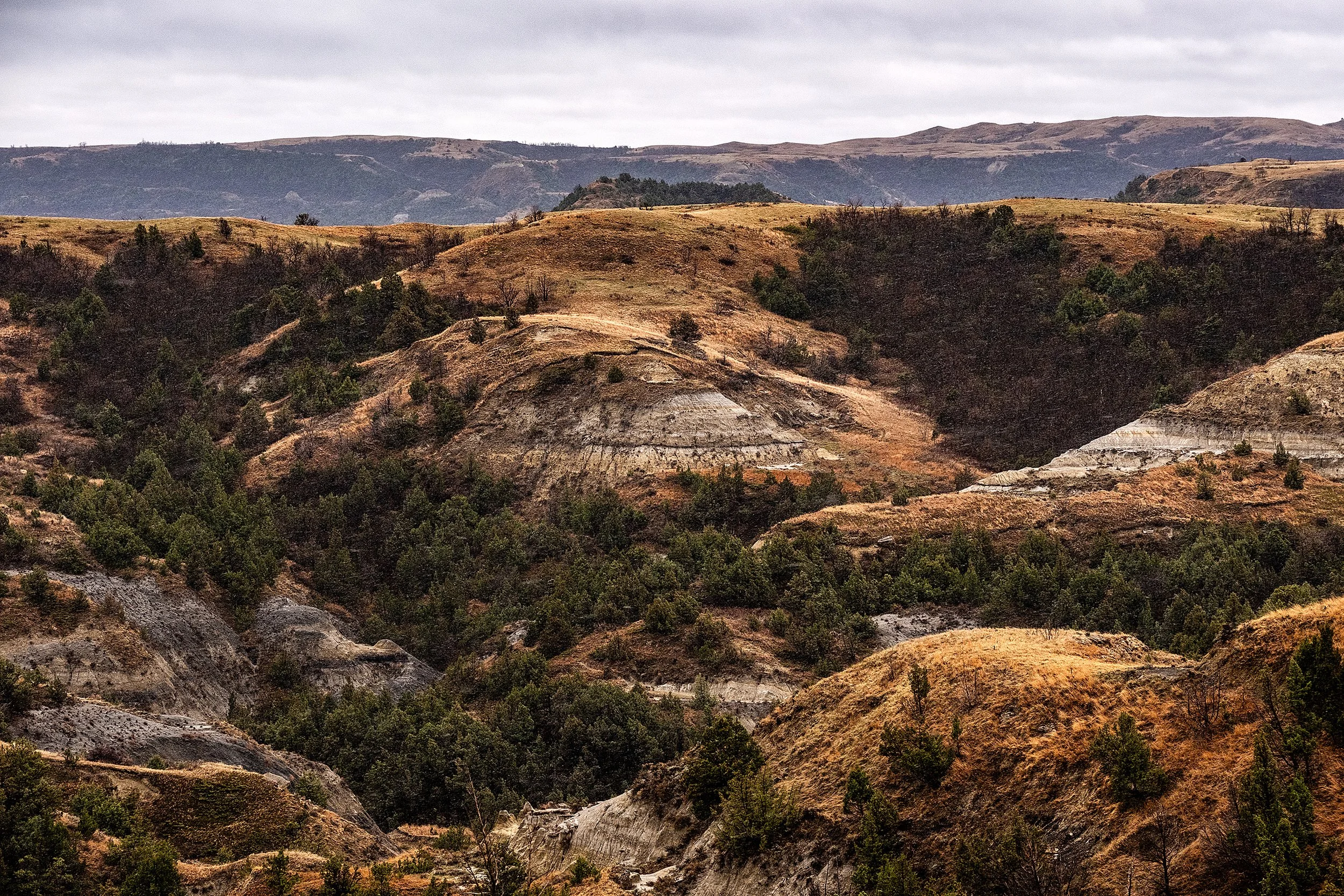
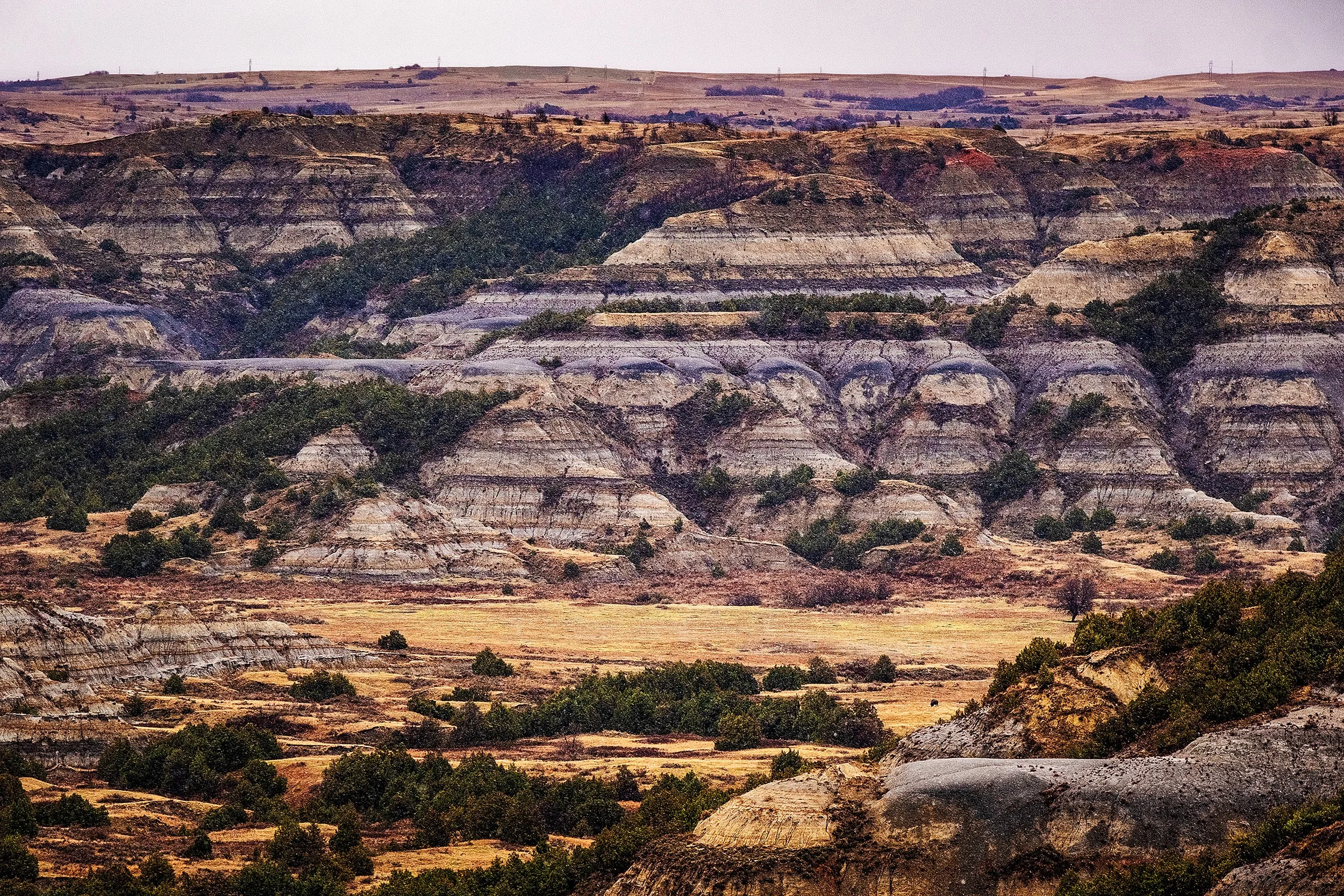
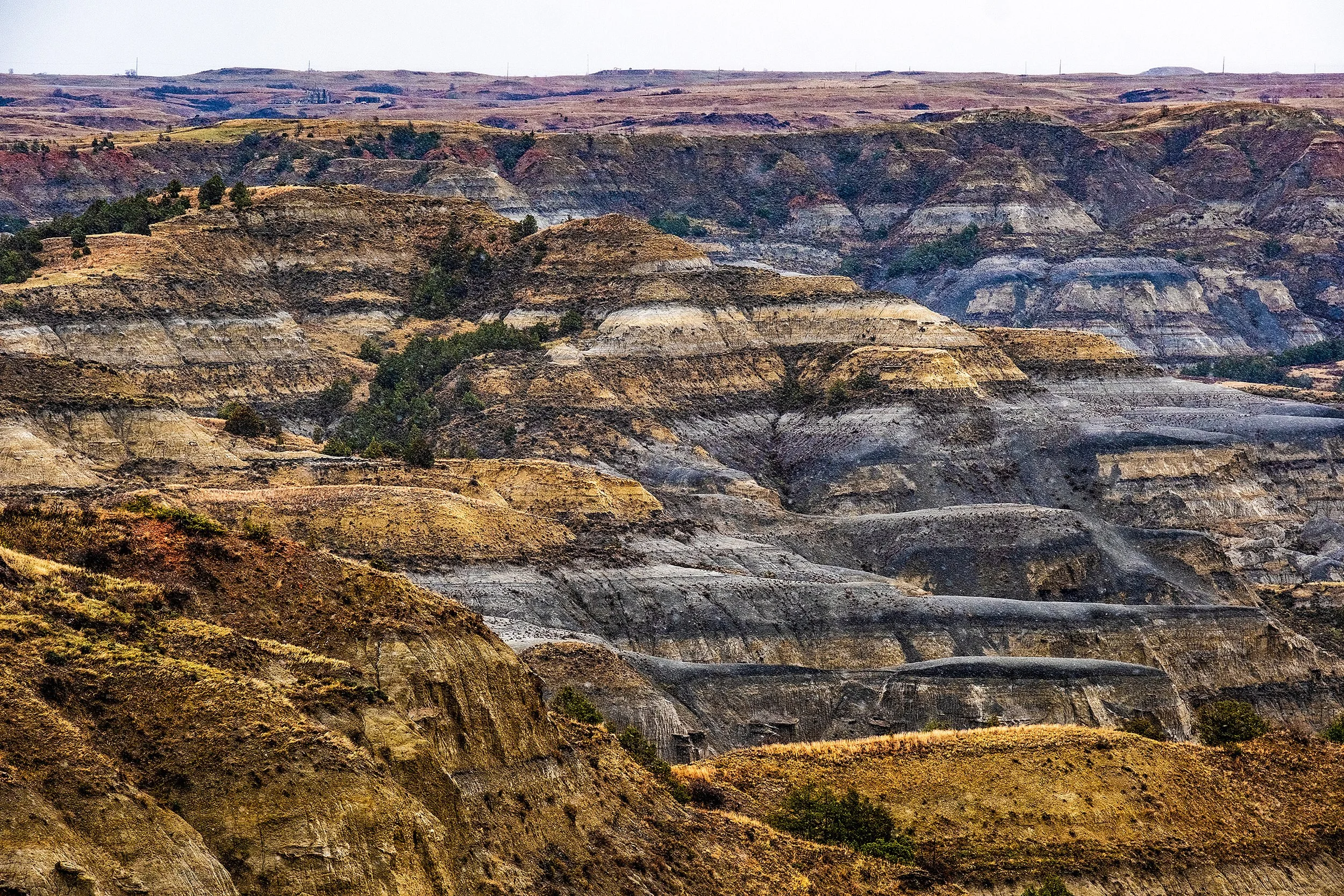
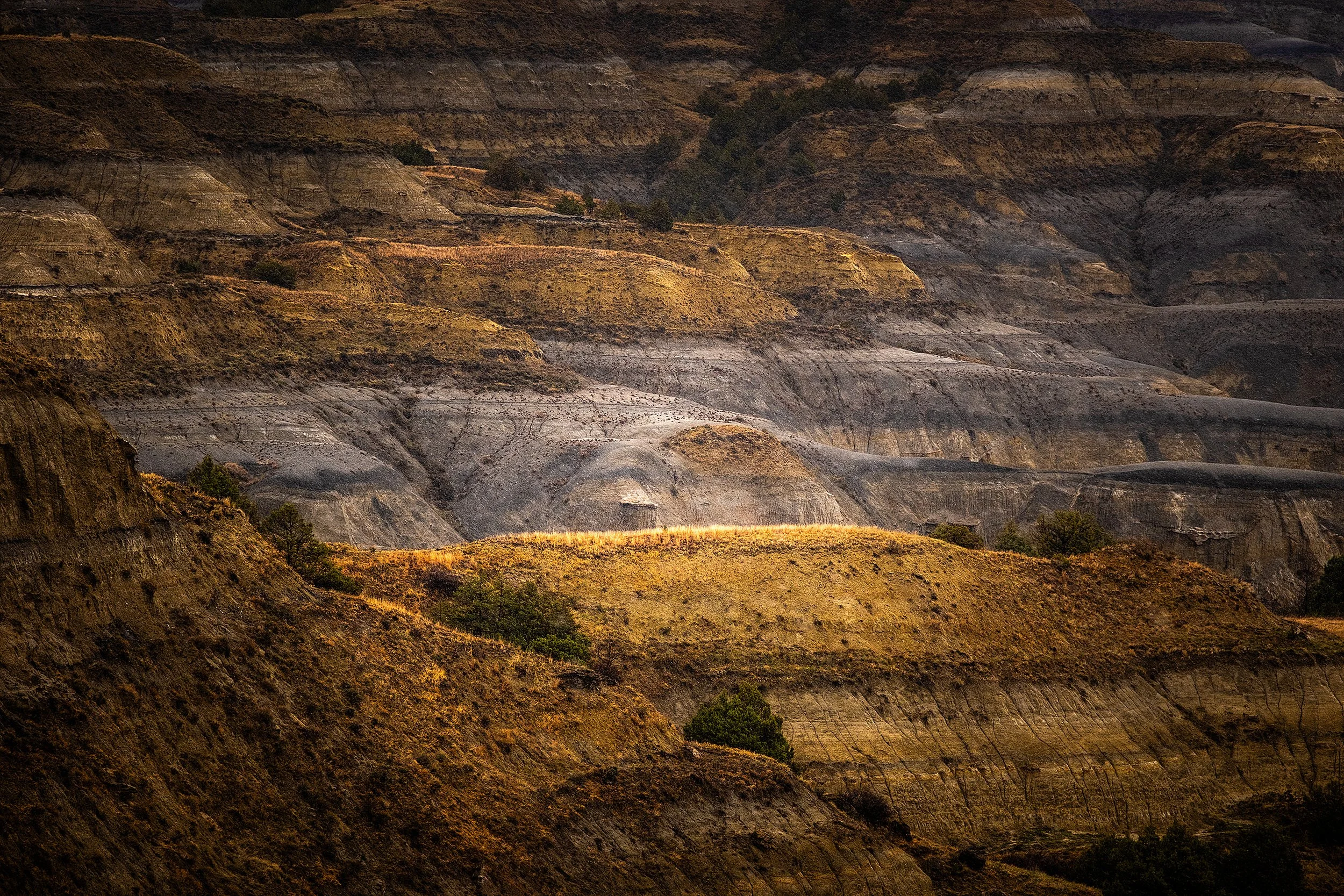
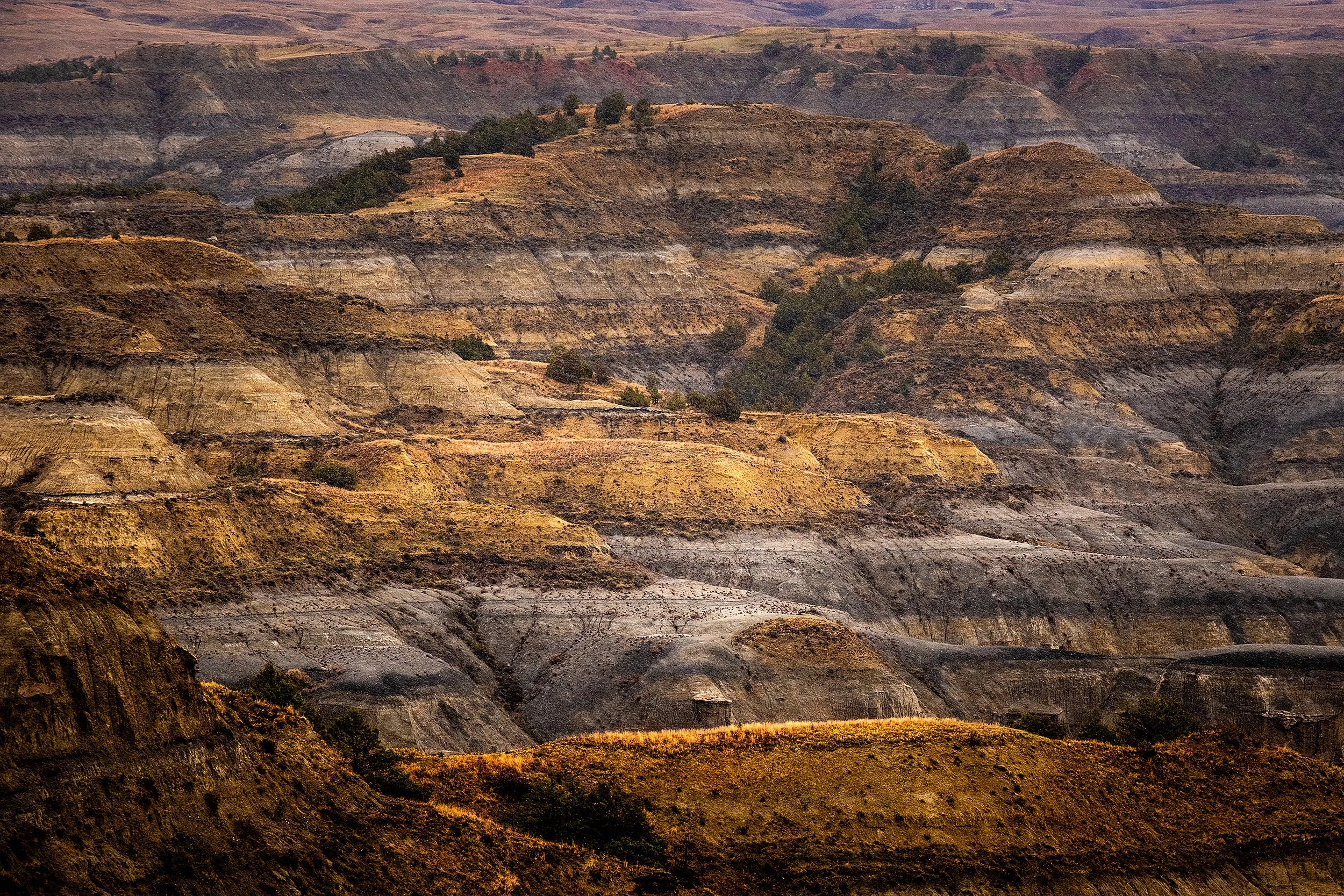
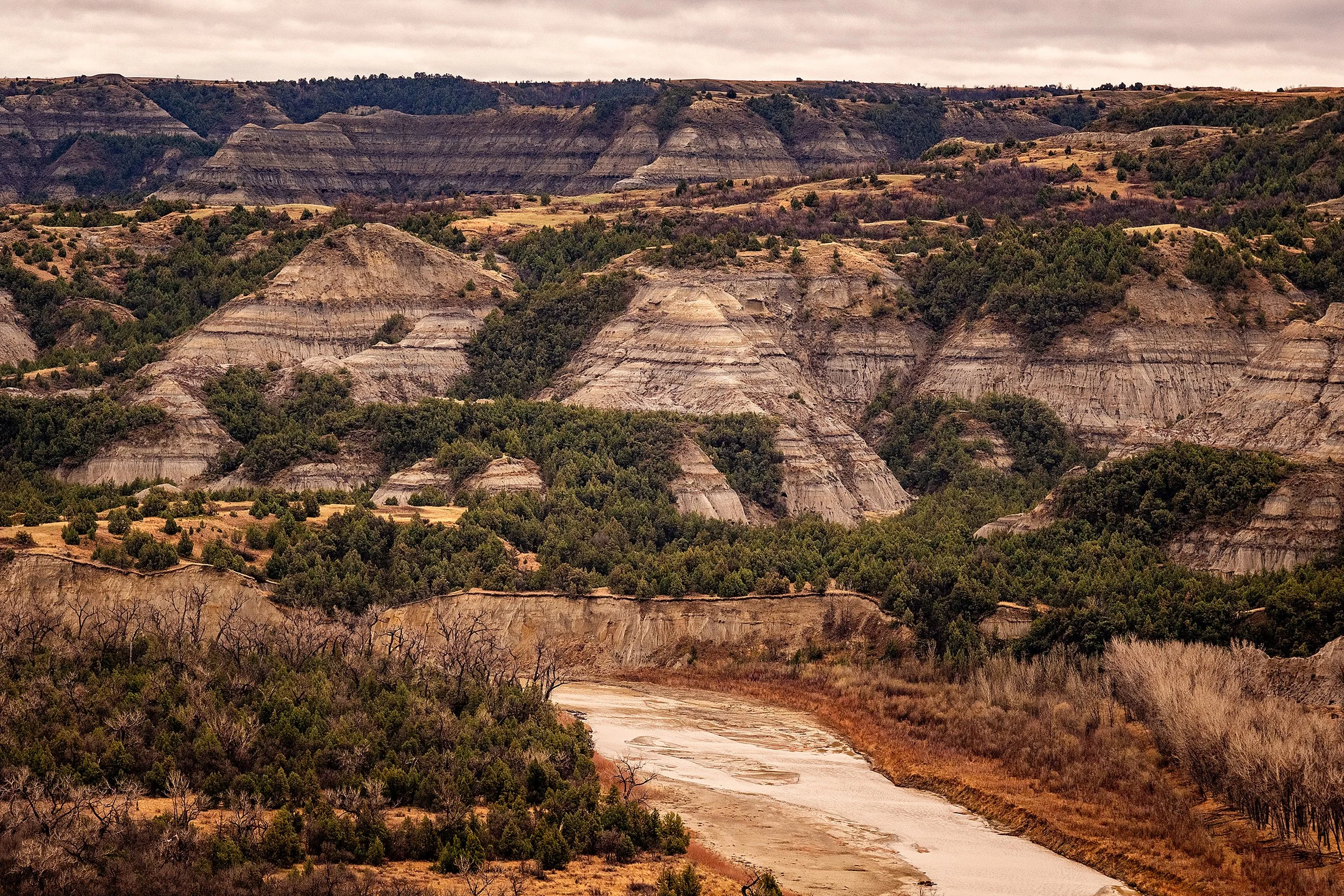
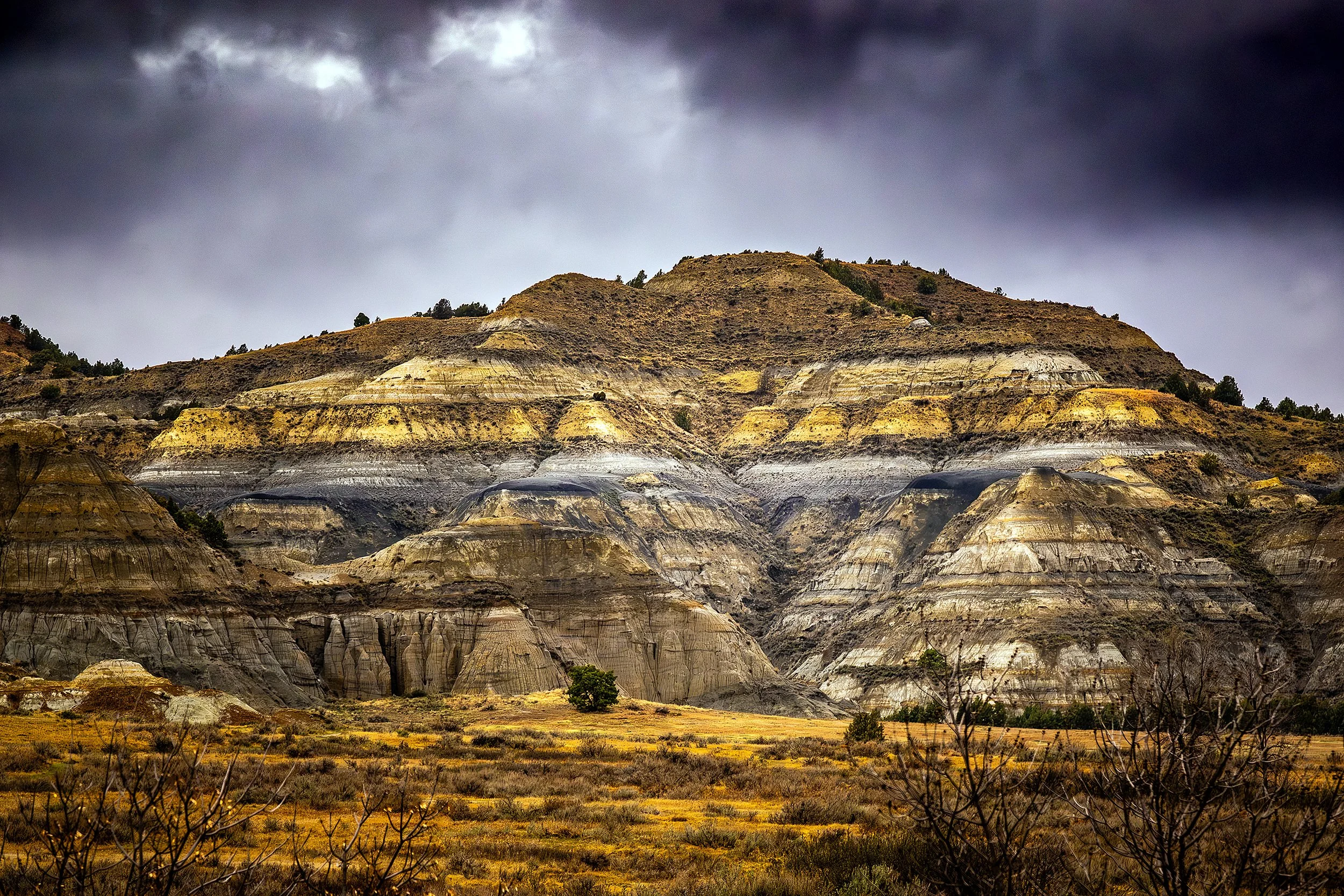
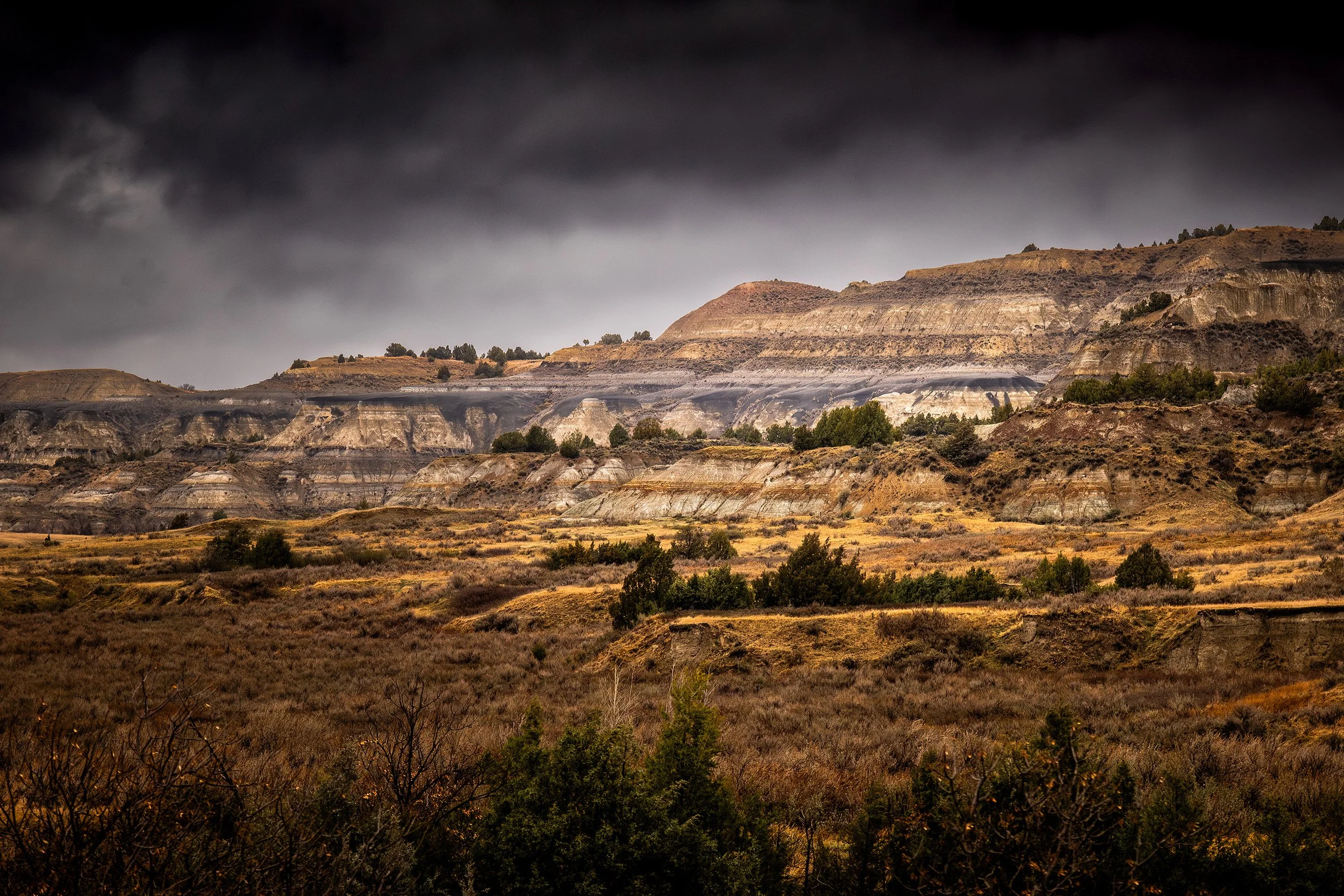
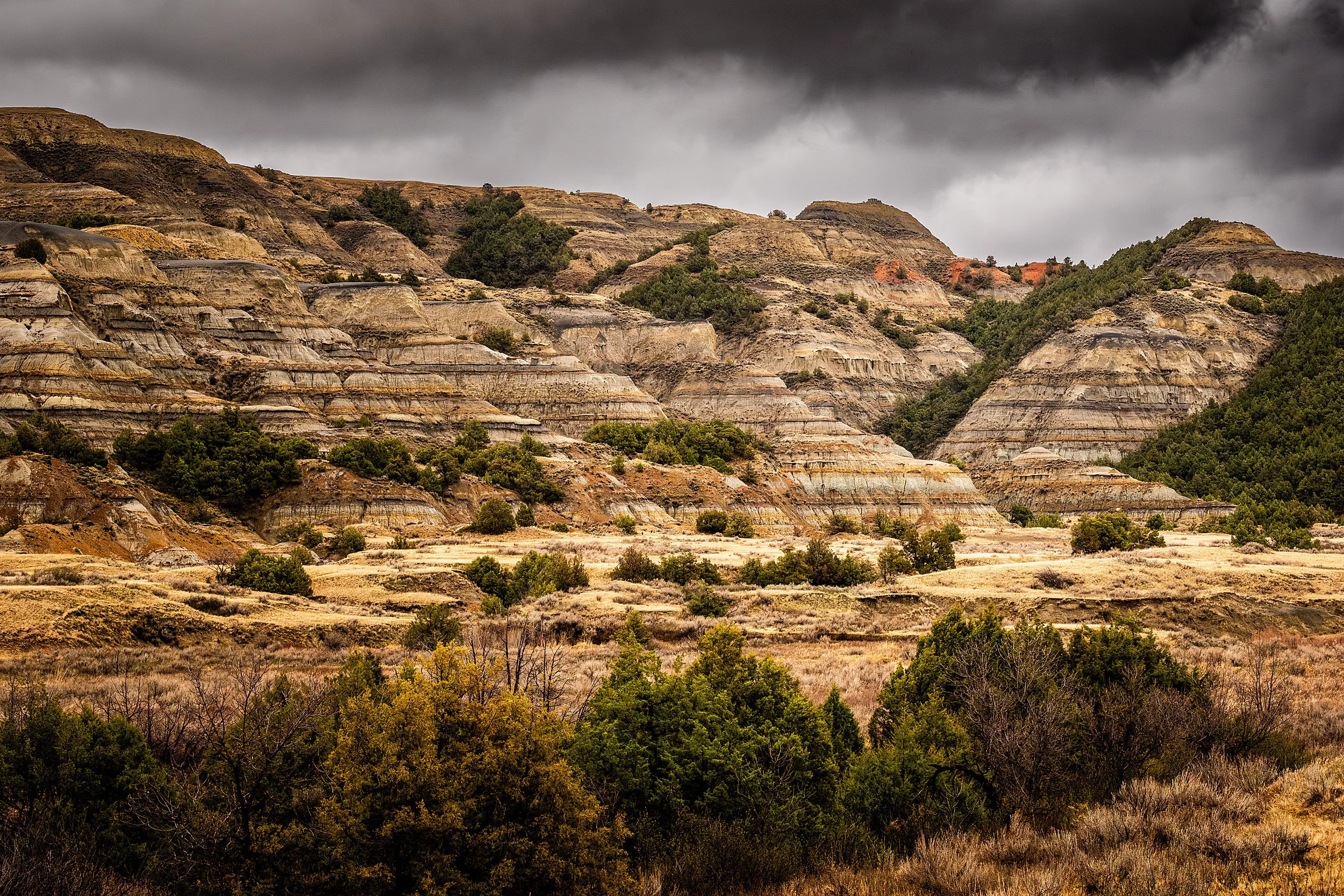
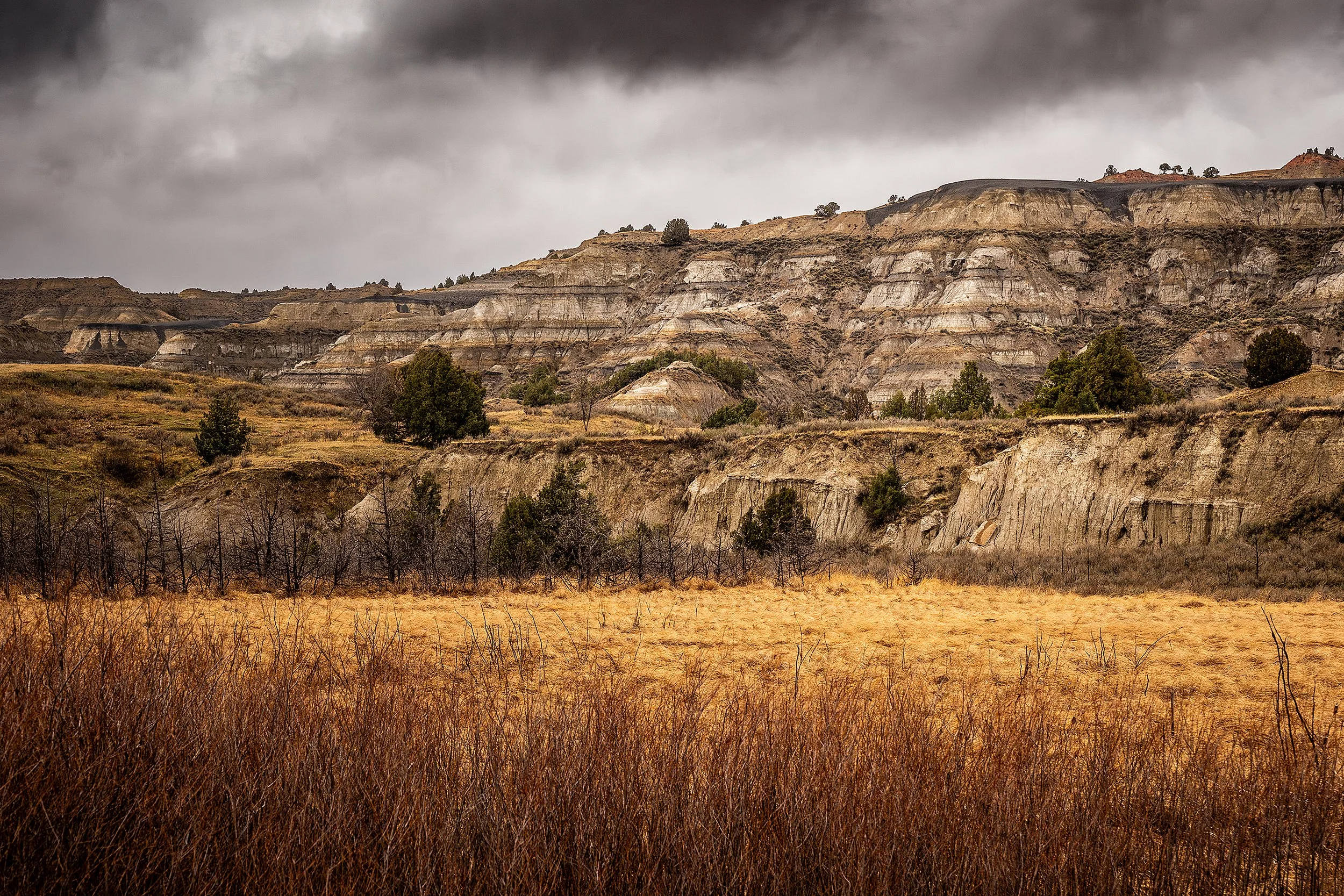
This is where the North Unit reveals its edge. Where the South Unit leans into openness, the North Unit holds tension—steeper formations, deeper shadows, a sense of isolation that feels almost coastal in its mood.
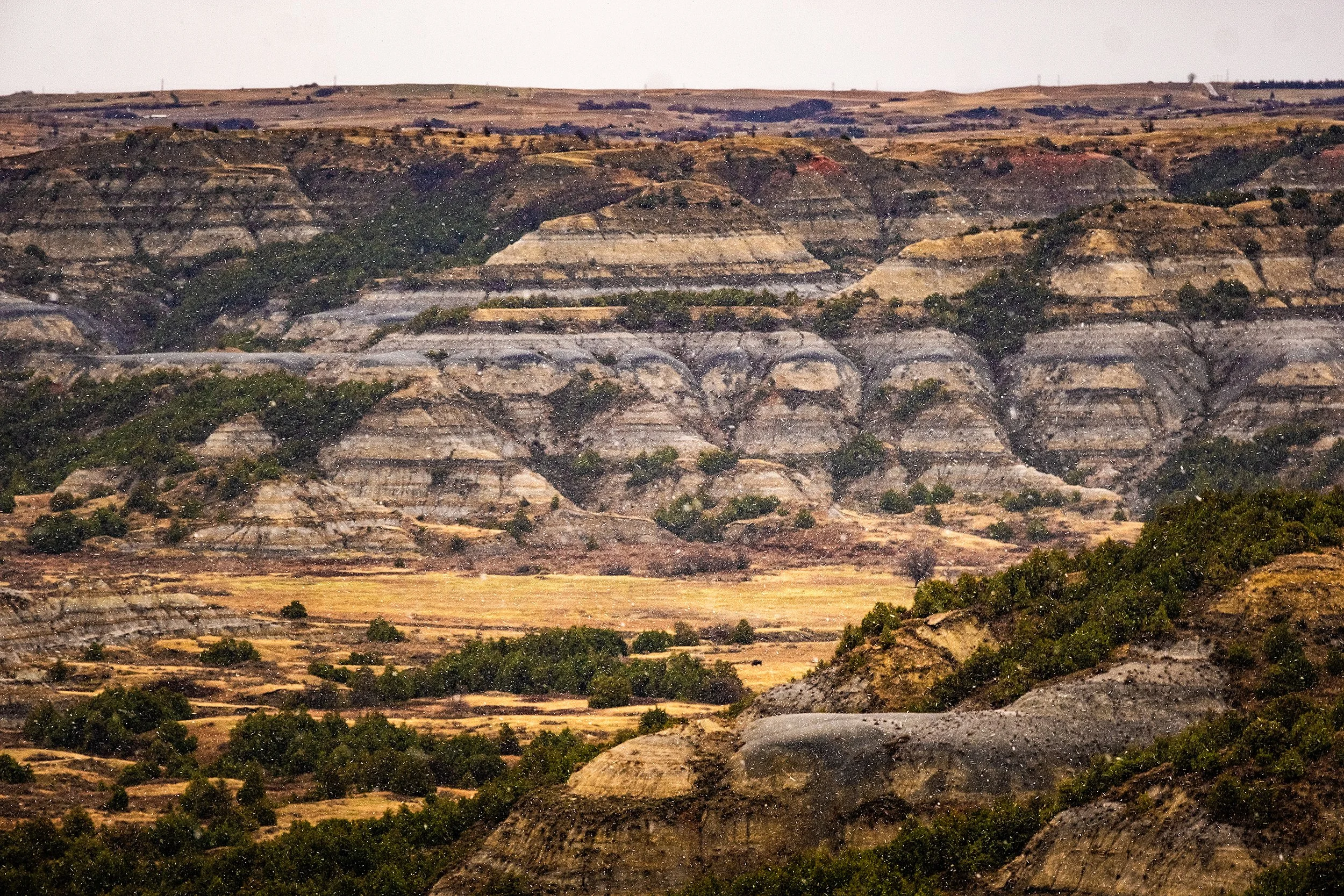
As the cold returned, the palette shifted to slate, charcoal, and muted earth. Snow flirted with the ridgelines. The sky pressed low. Every frame became less about clarity and more about feeling.
Filming in the Elements
Cameras moved differently in this kind of weather. Hands stiffened. Batteries drained faster. Wind dictated pacing. But in that resistance, something sharpened.
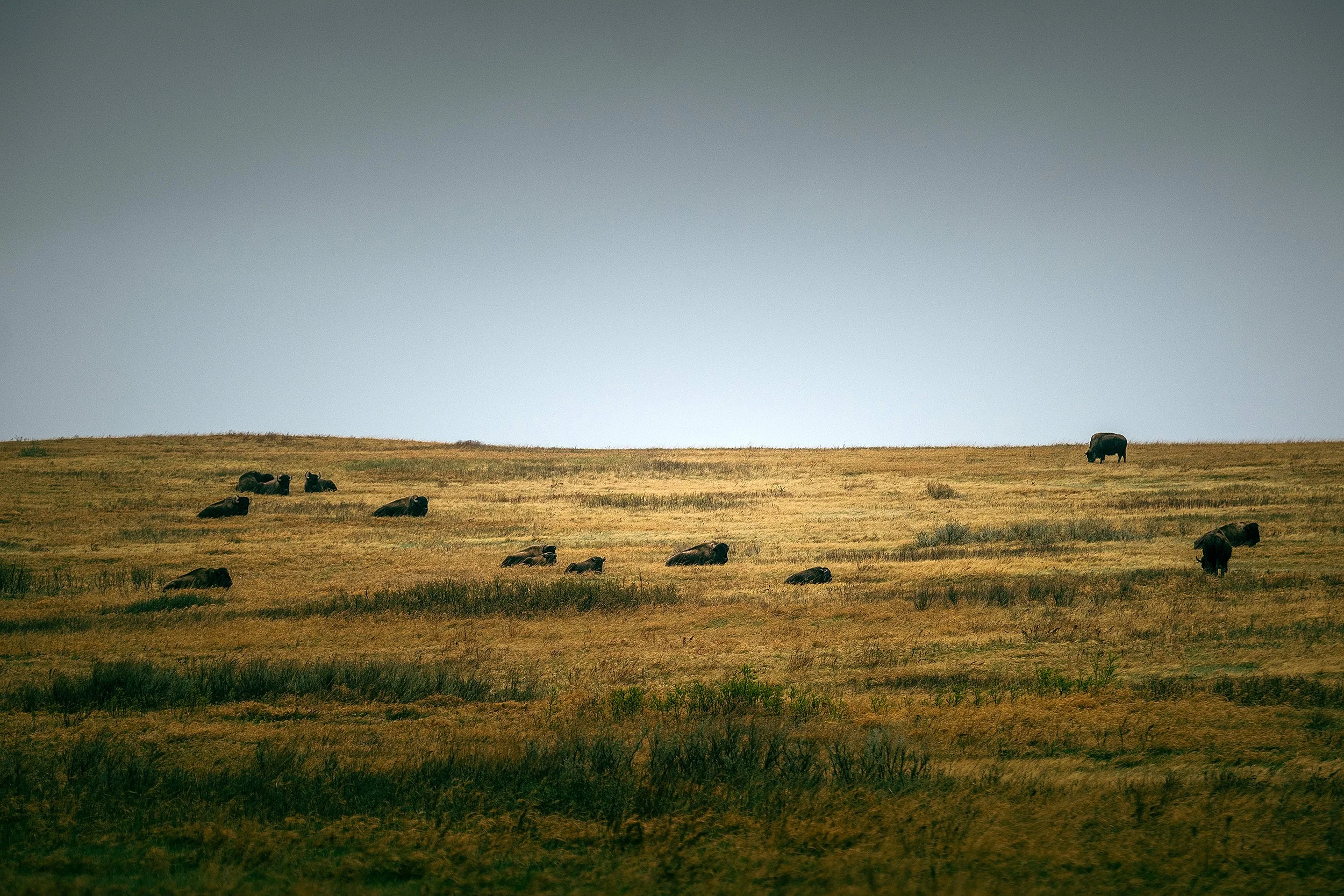
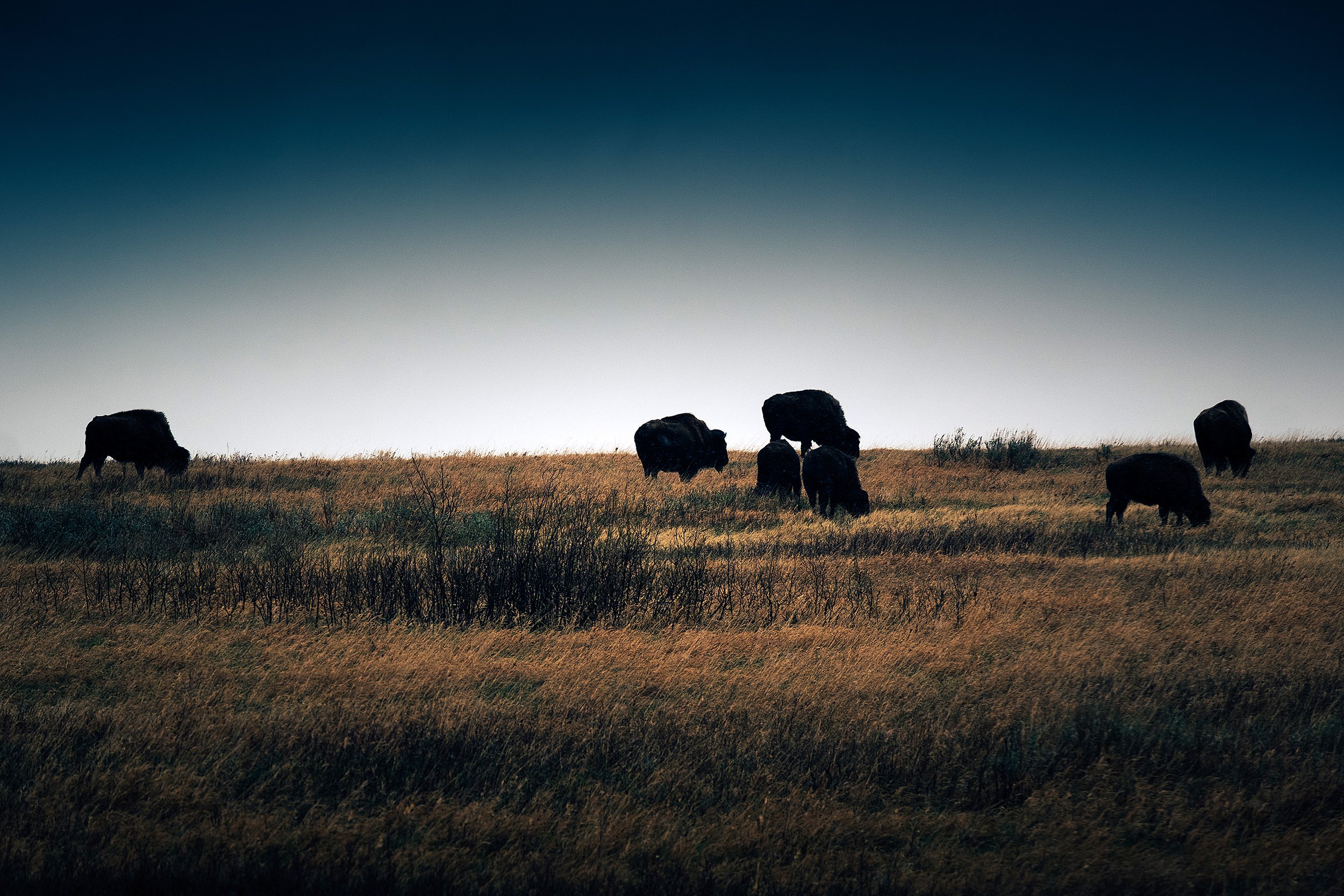
Motion slowed. Compositions simplified. The focus turned toward texture—wind across grass, clouds dragging across horizon lines, the quiet persistence of wildlife moving through a landscape that refused to settle.
The Artist’s Perspective — Justin Graddy
For National Parks of the American West Vol. II, this North Unit shoot became a study in unpredictability. The contrast between warmth and cold created a visual tension that couldn’t be planned—it had to be followed.
The images lean into mood—into uncertainty. They carry weight. Not the grandeur of perfect light, but the honesty of a place in transition.
This is the North Unit as it often feels: raw, shifting, and deeply atmospheric.