Theodore Roosevelt South Unit in Spring
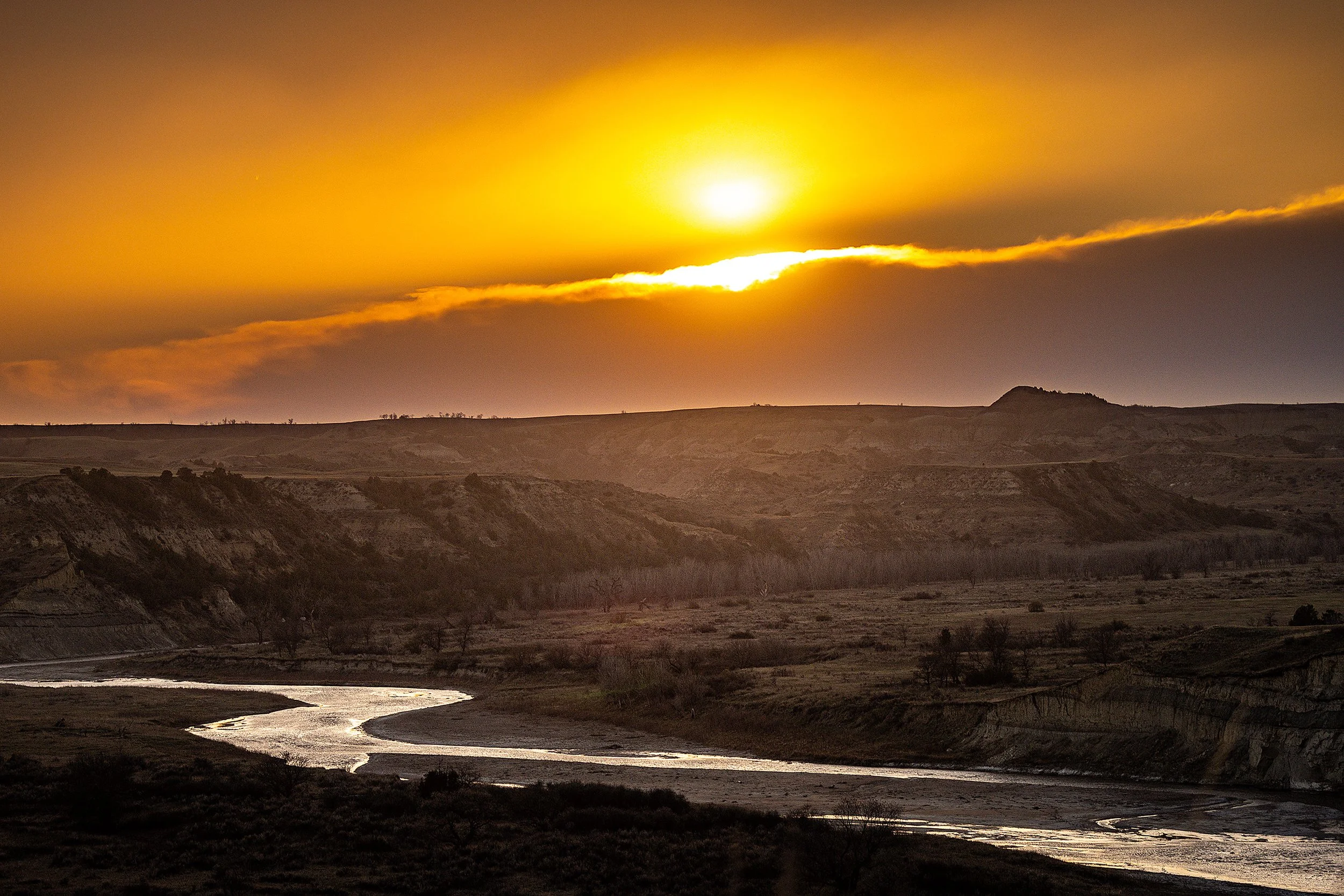
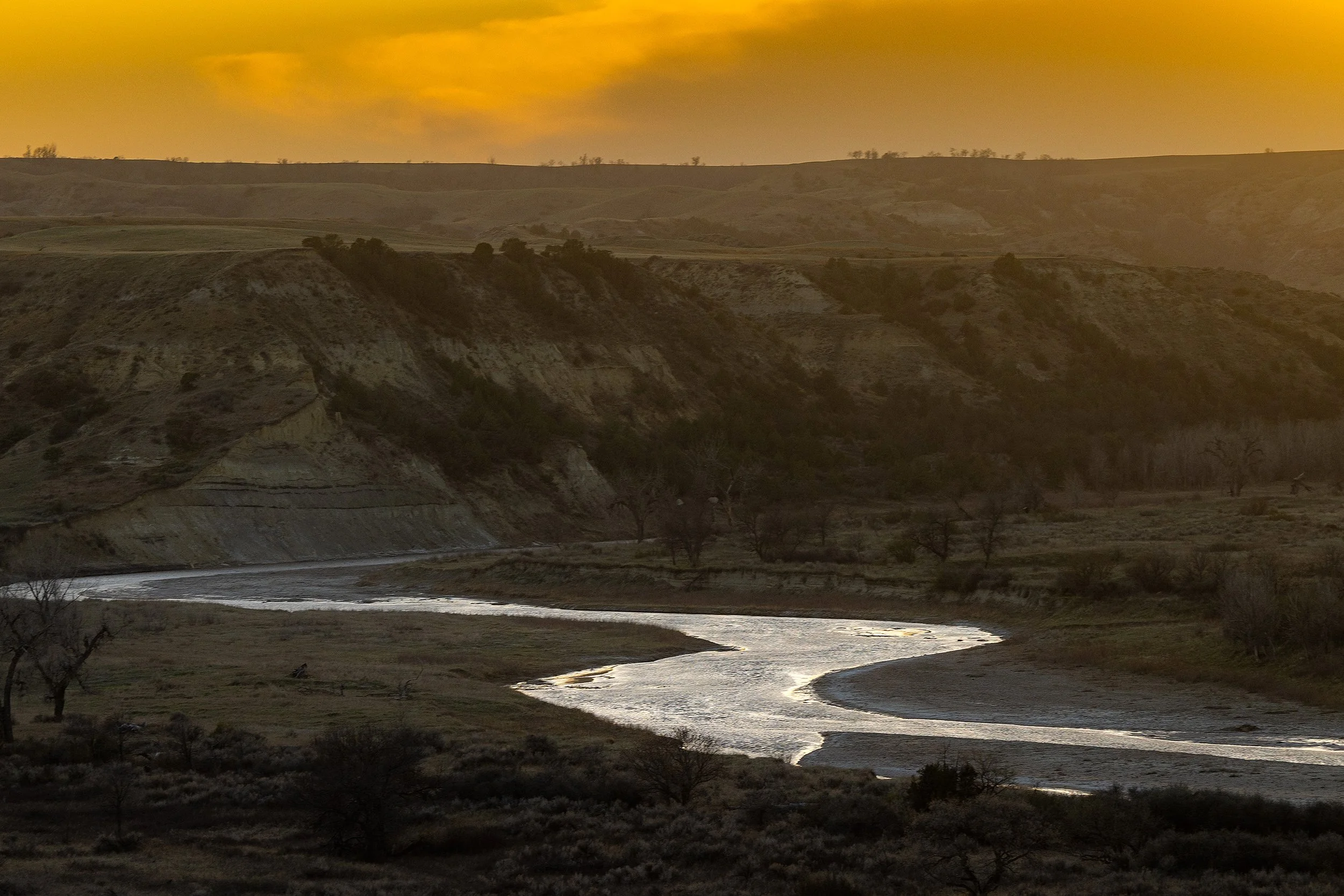
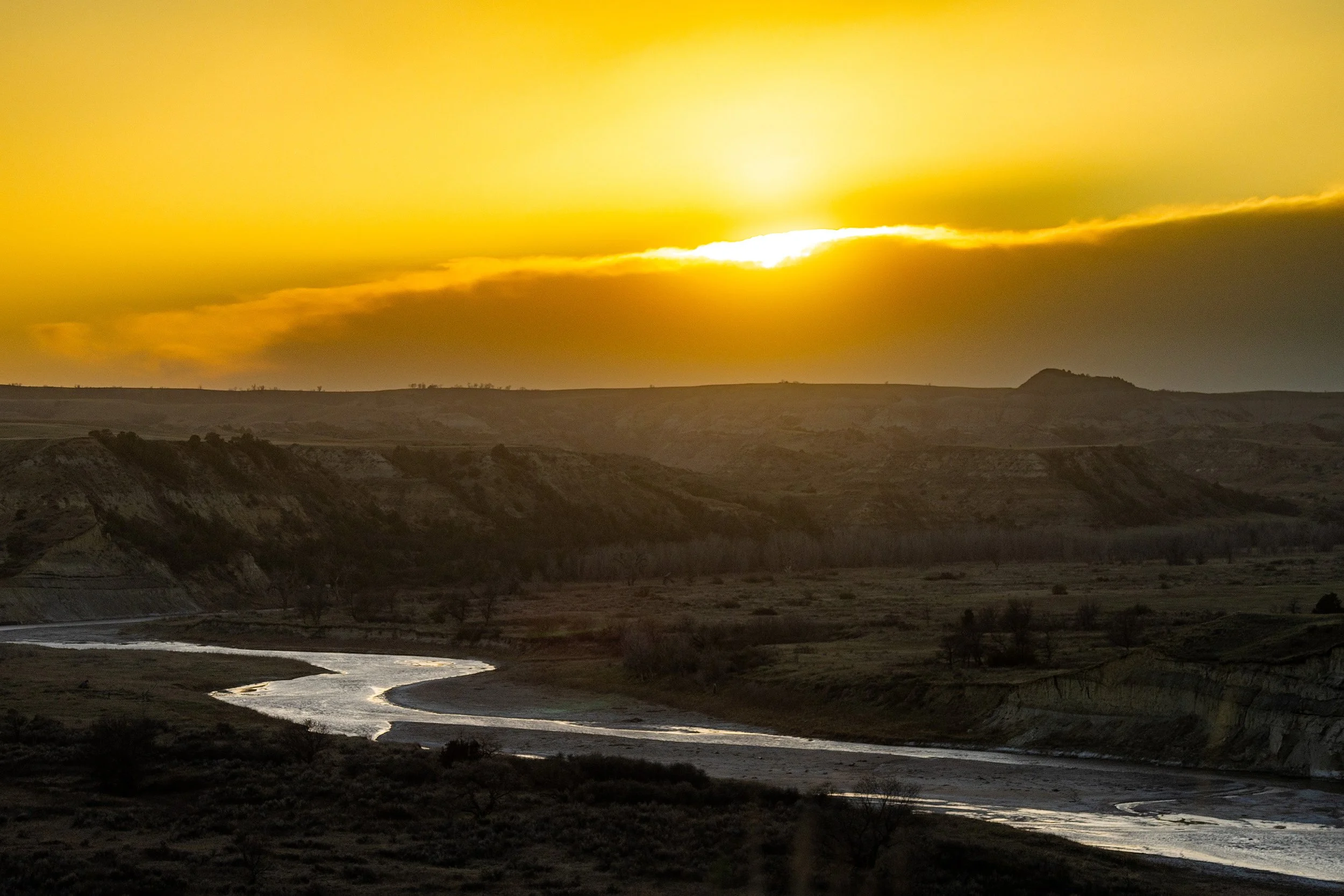
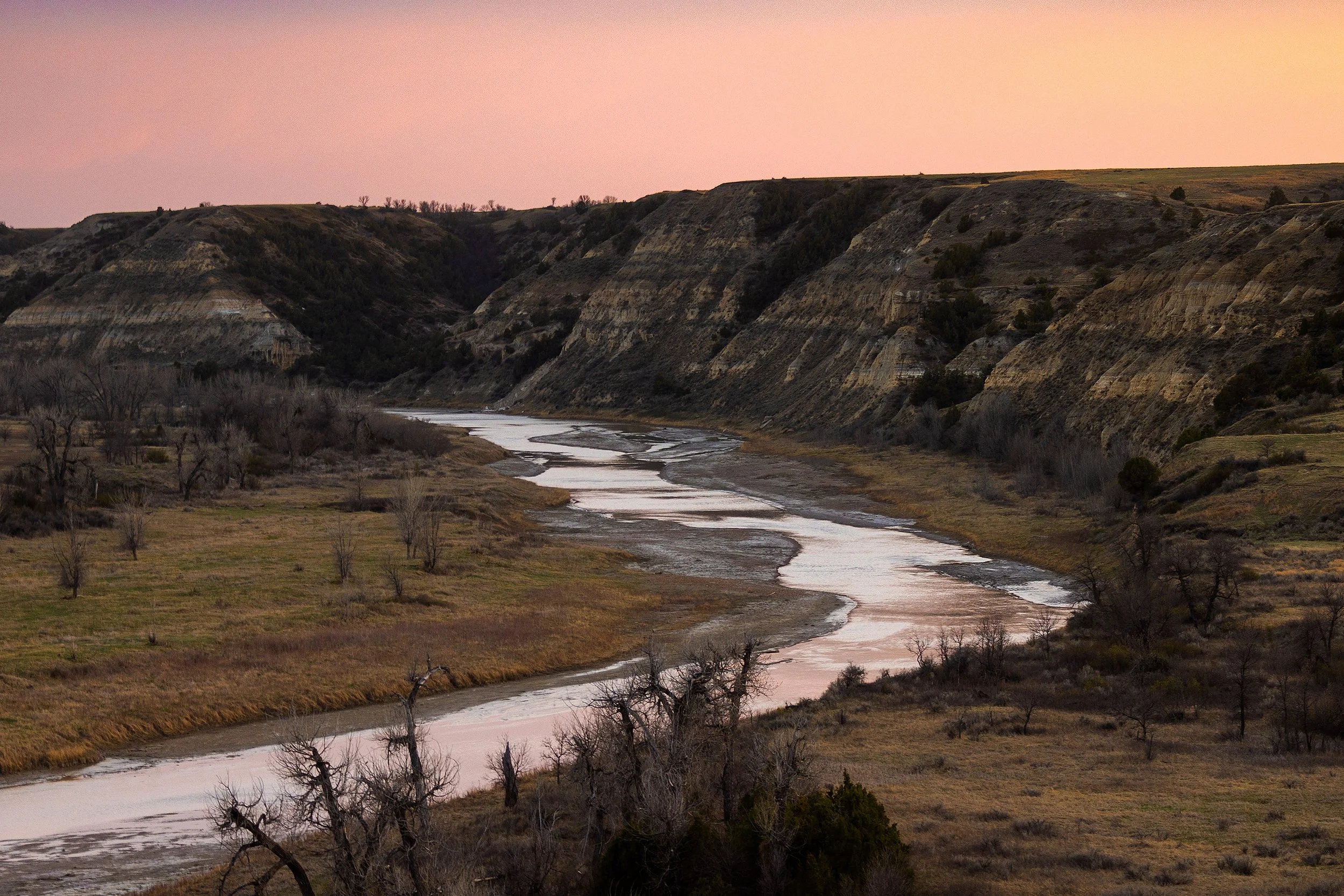
There is a moment in early spring when the Badlands begin to loosen their grip on winter. It’s subtle—almost unspoken. The air carries a gentler weight, the light stretches longer across the ridgelines, and the earth, still cool beneath your feet, hints at something returning.
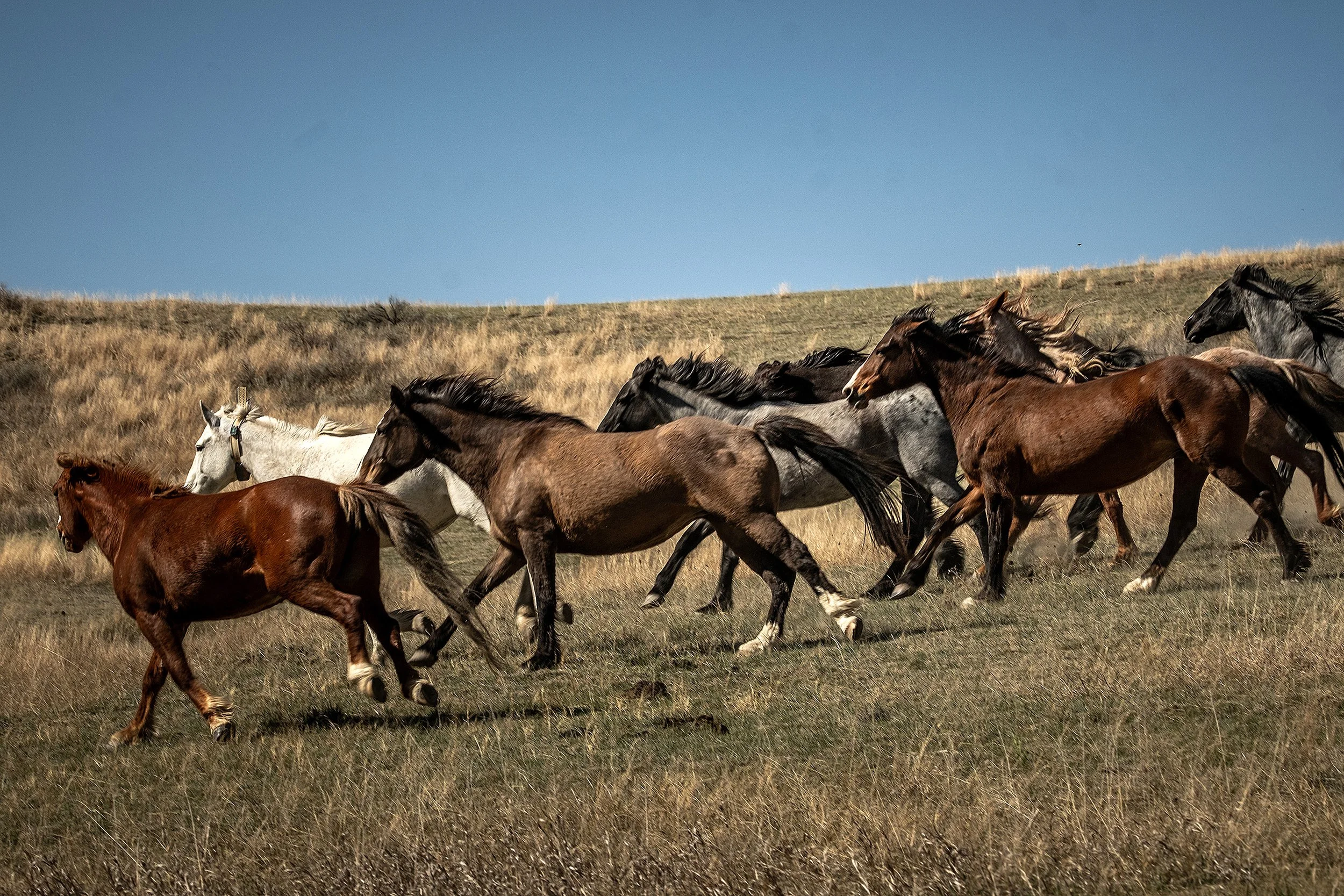
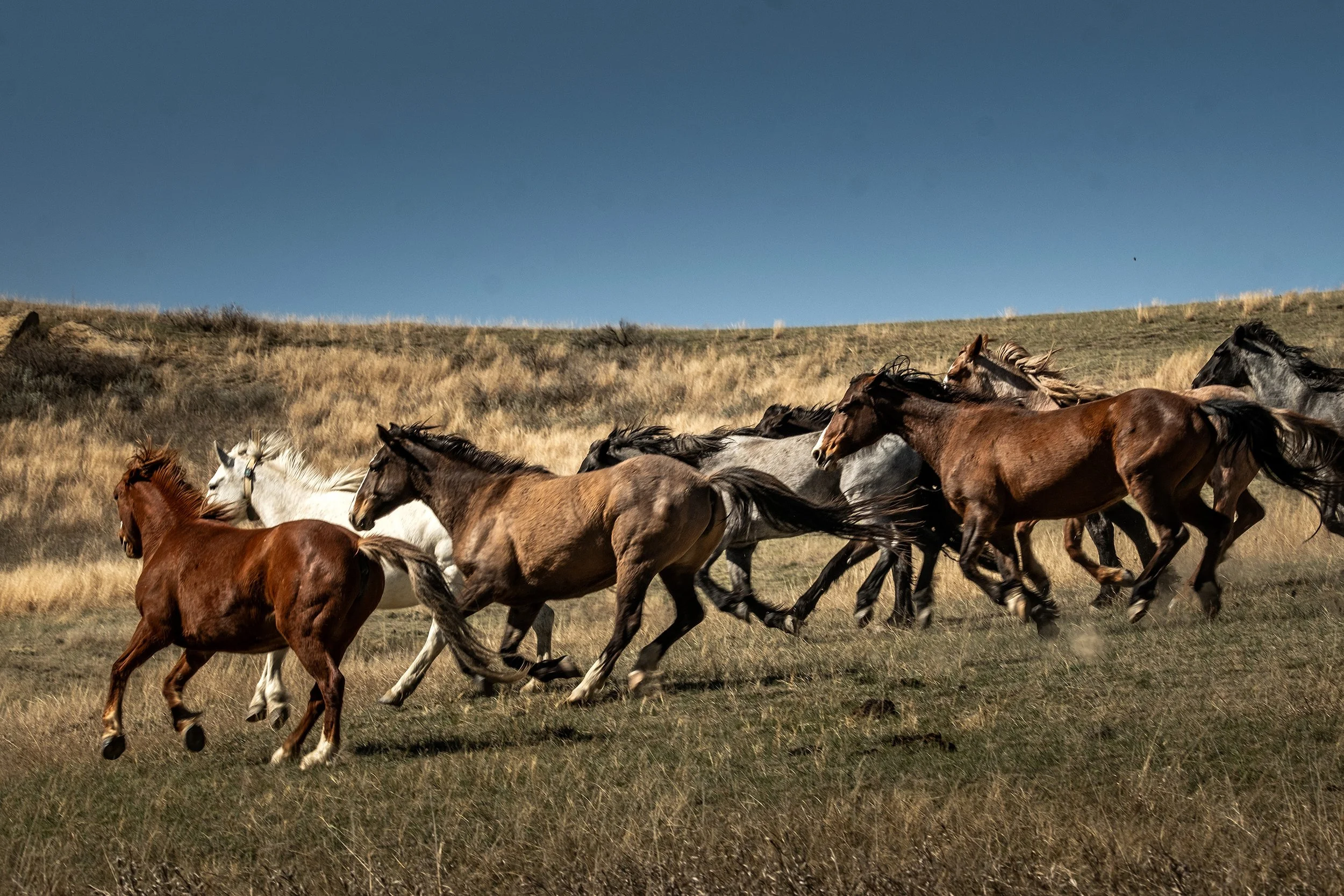
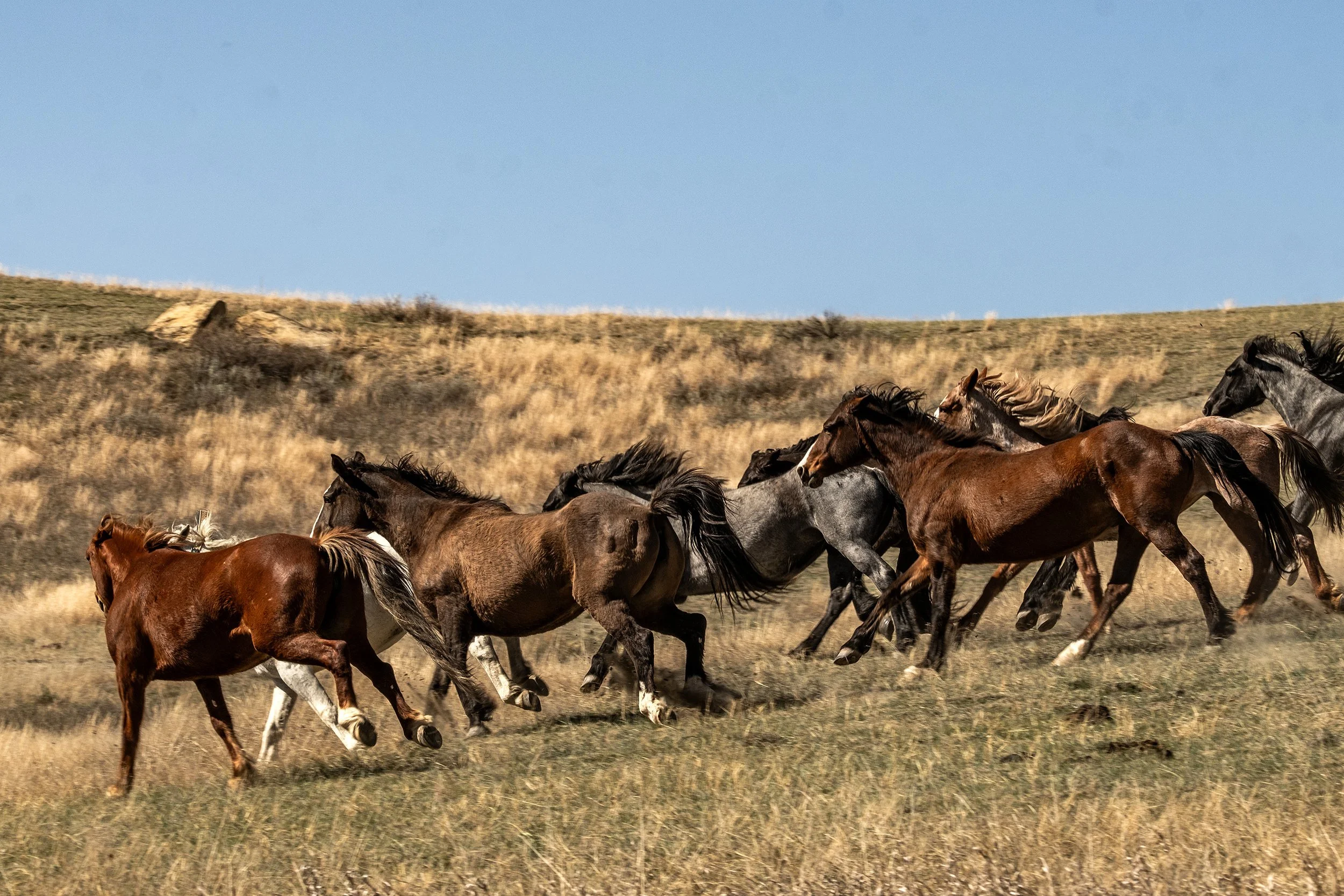
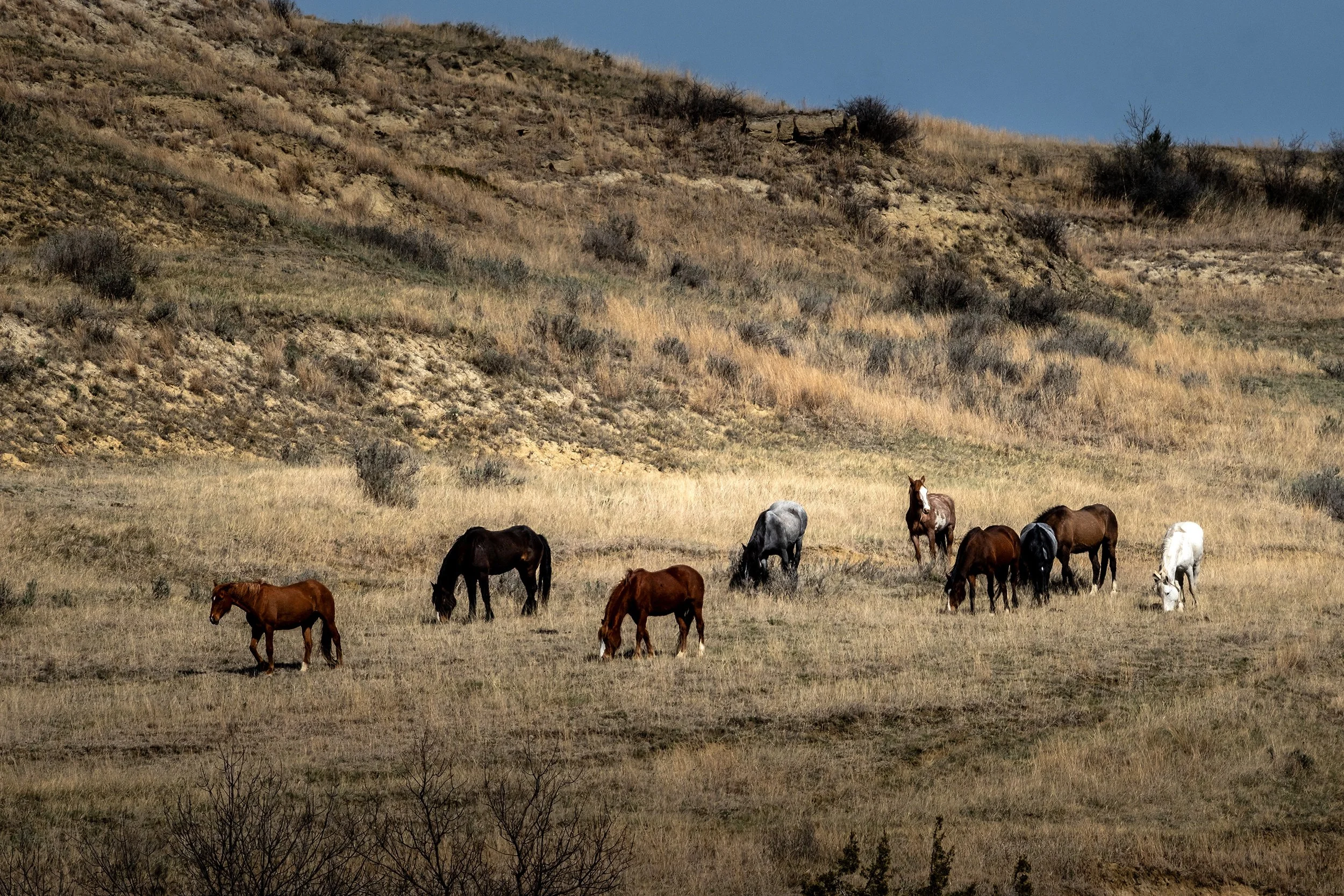
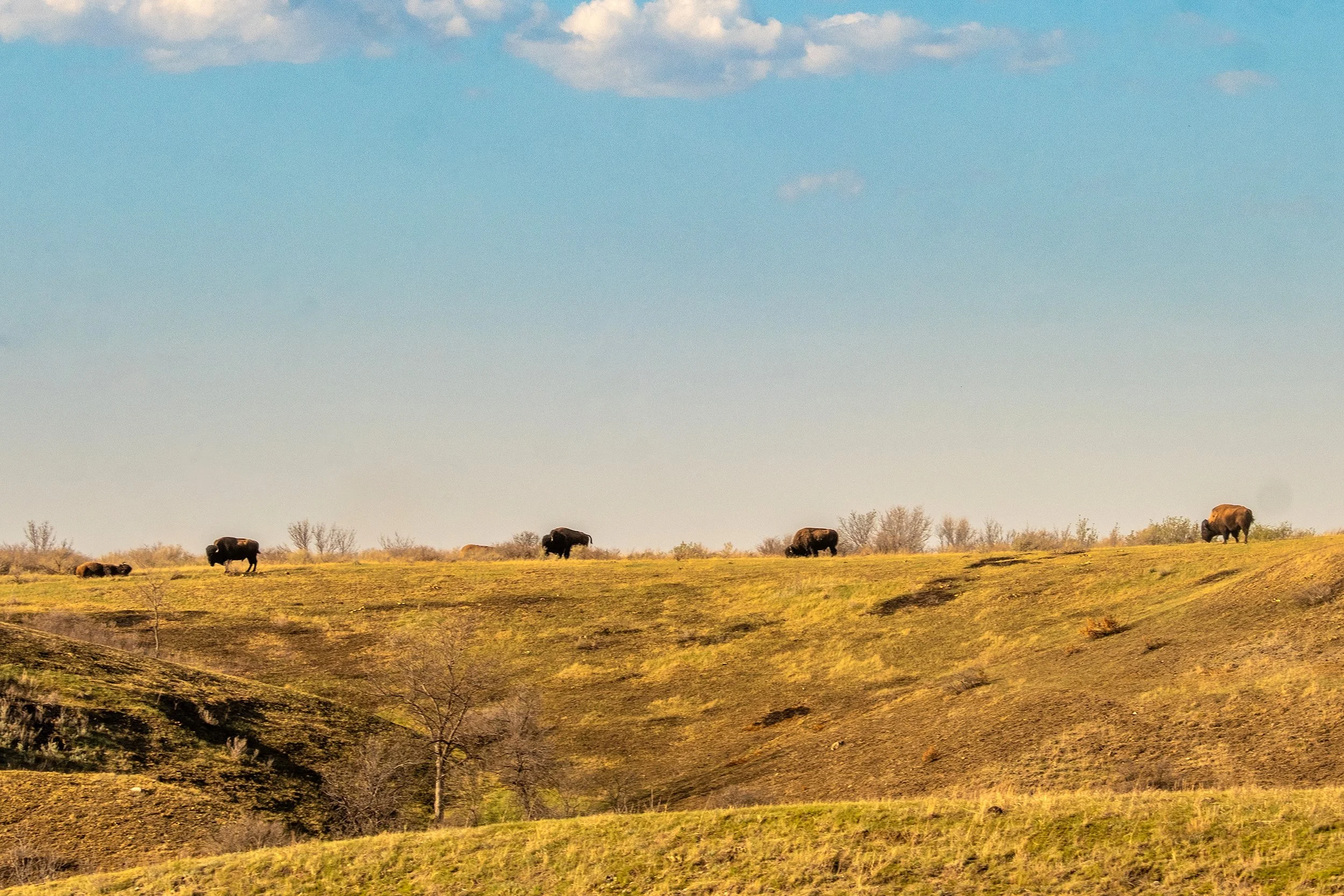
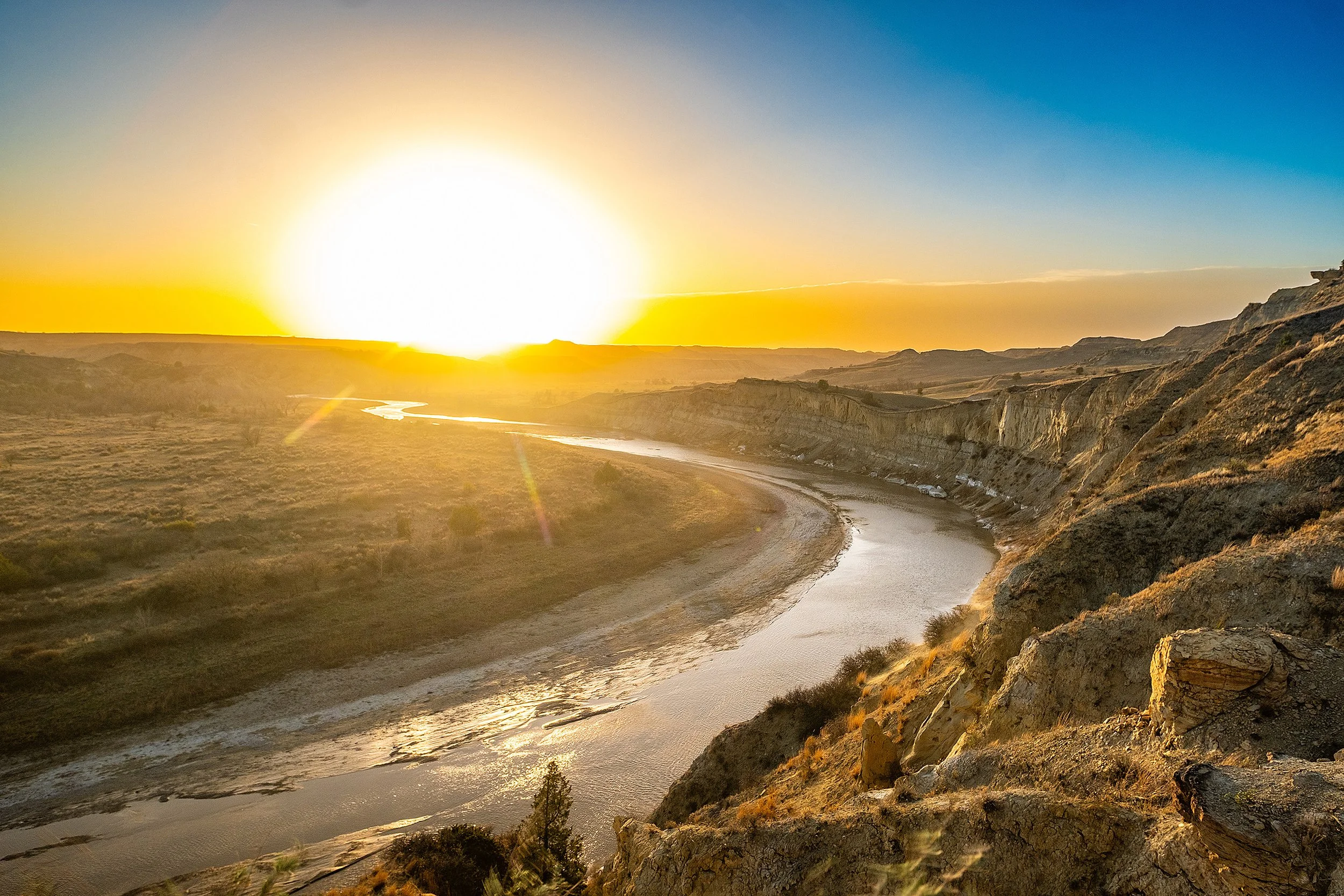
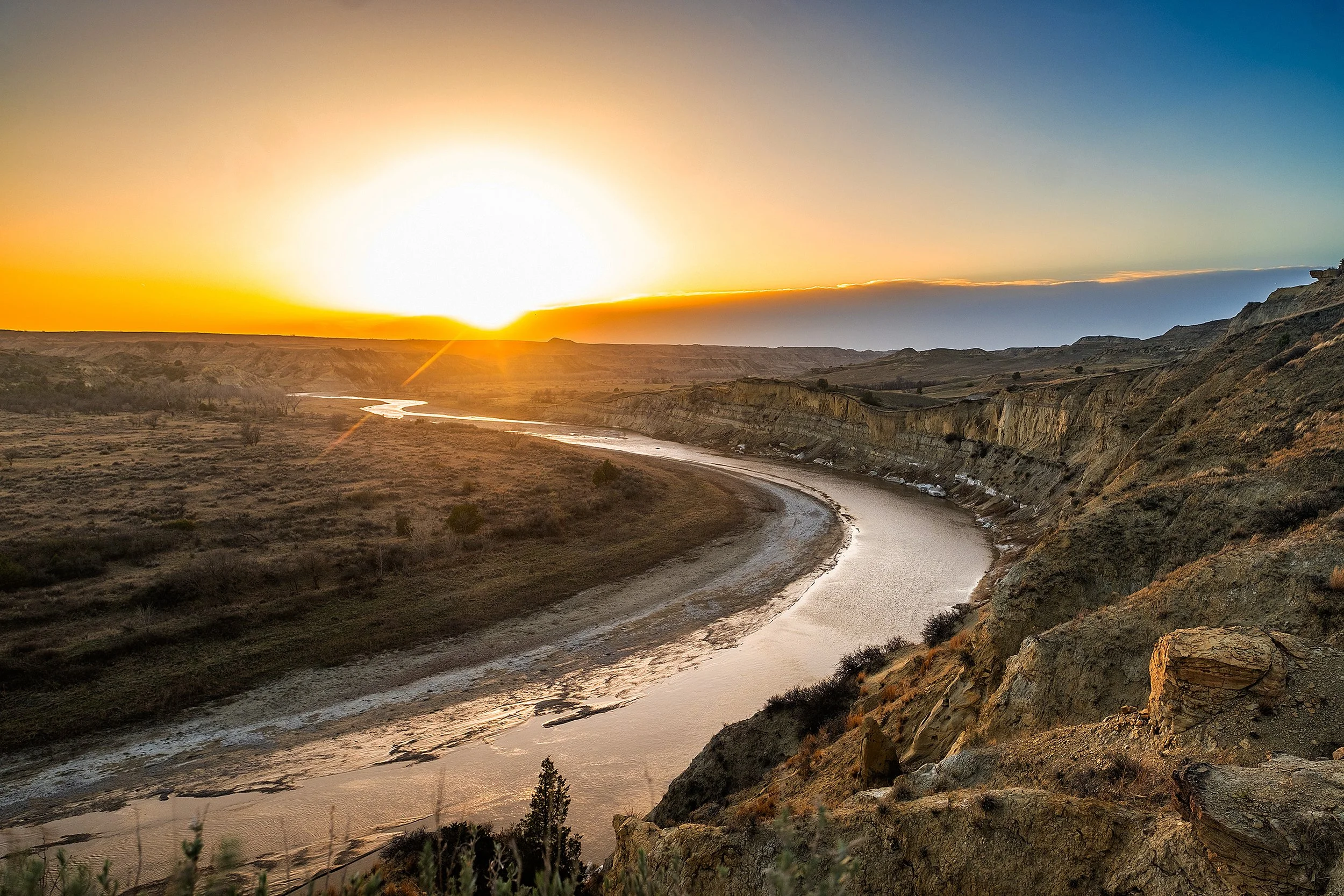
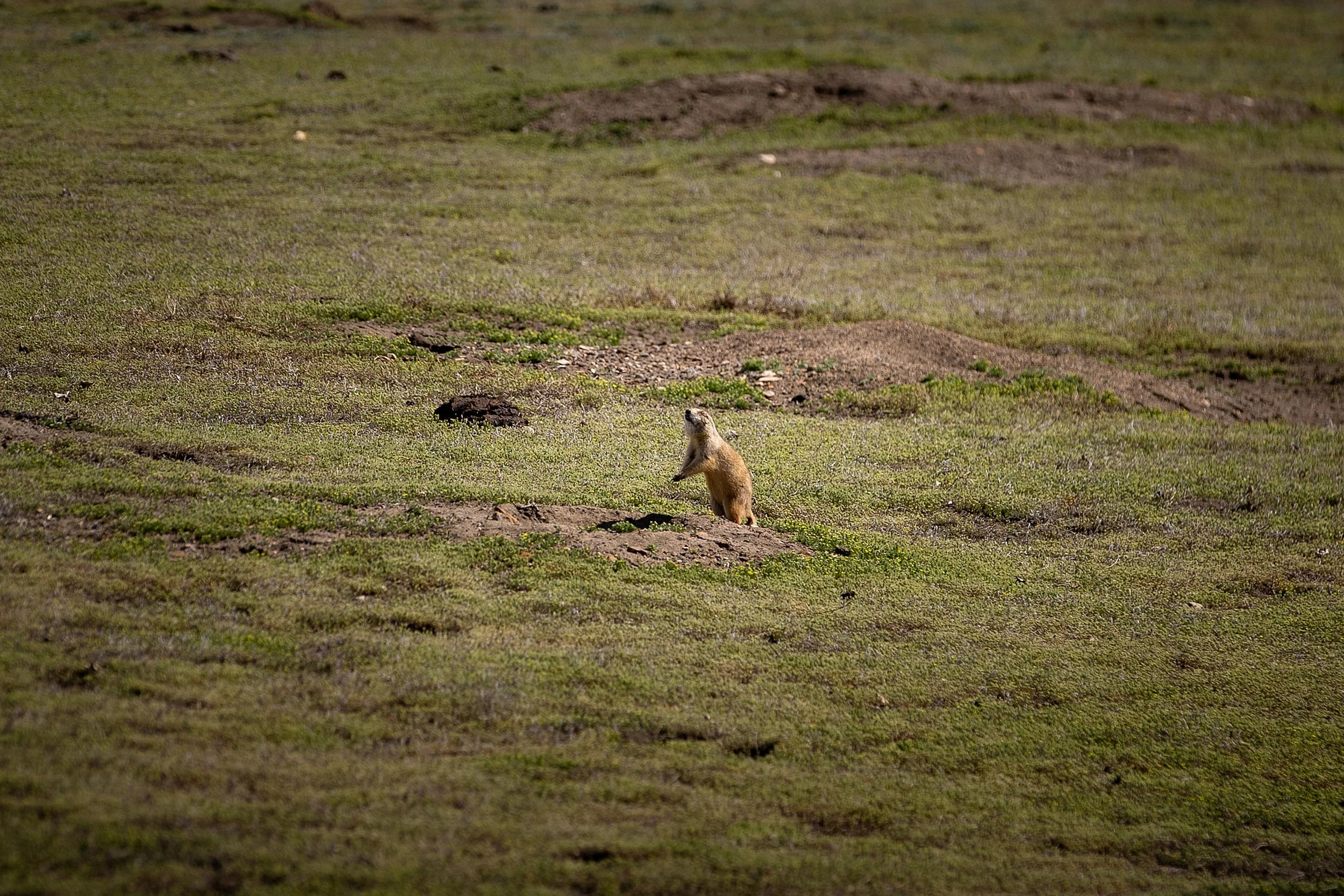
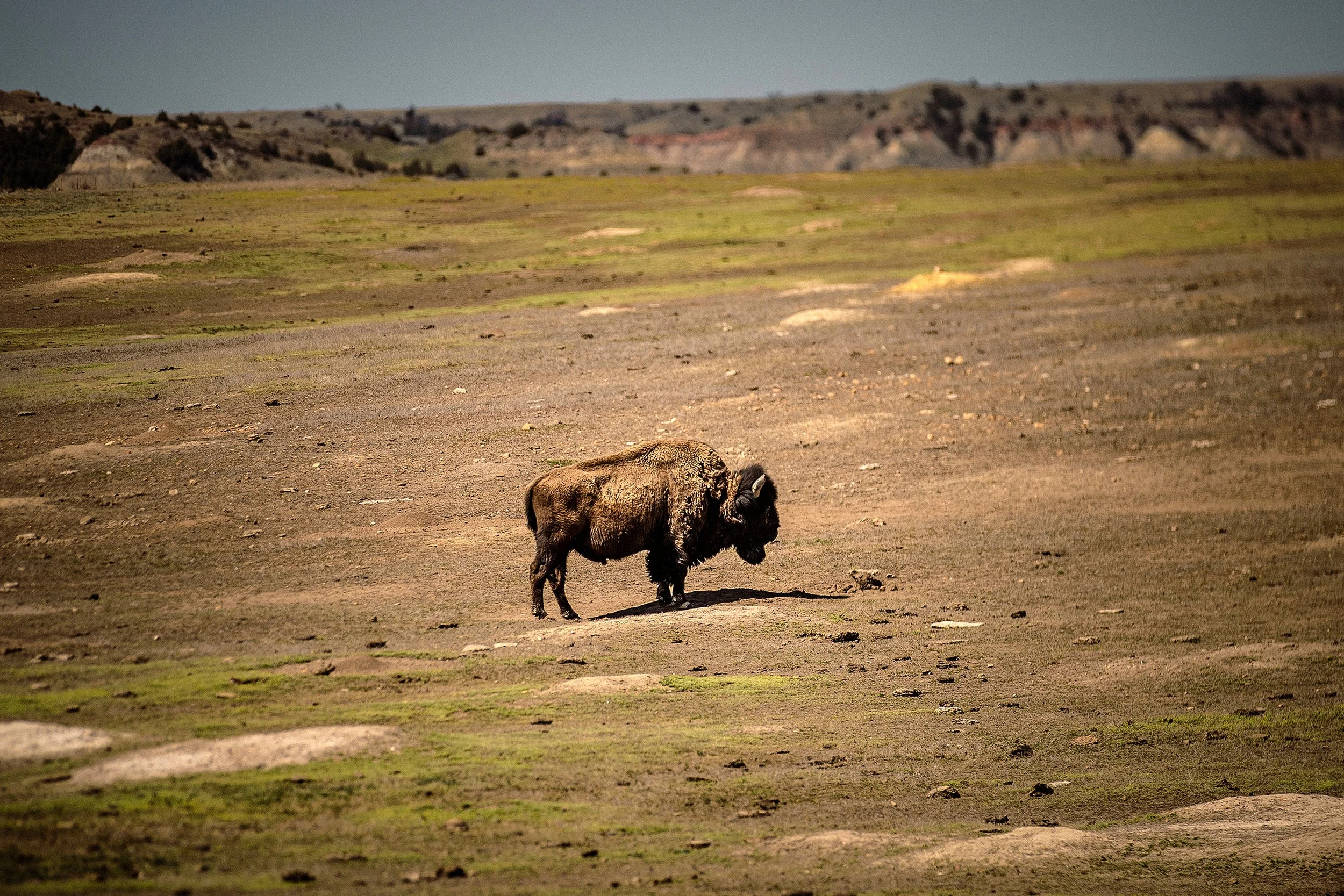
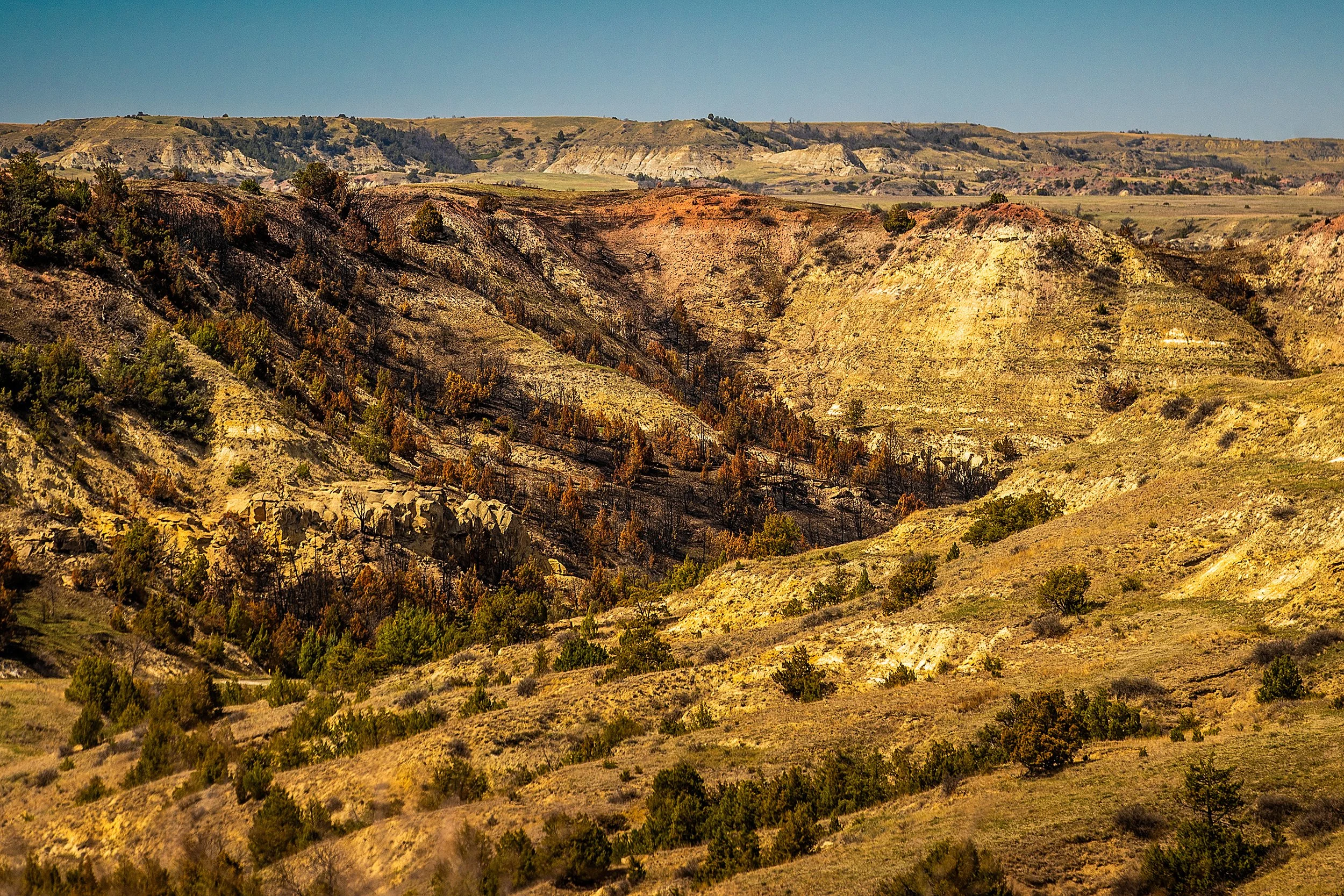
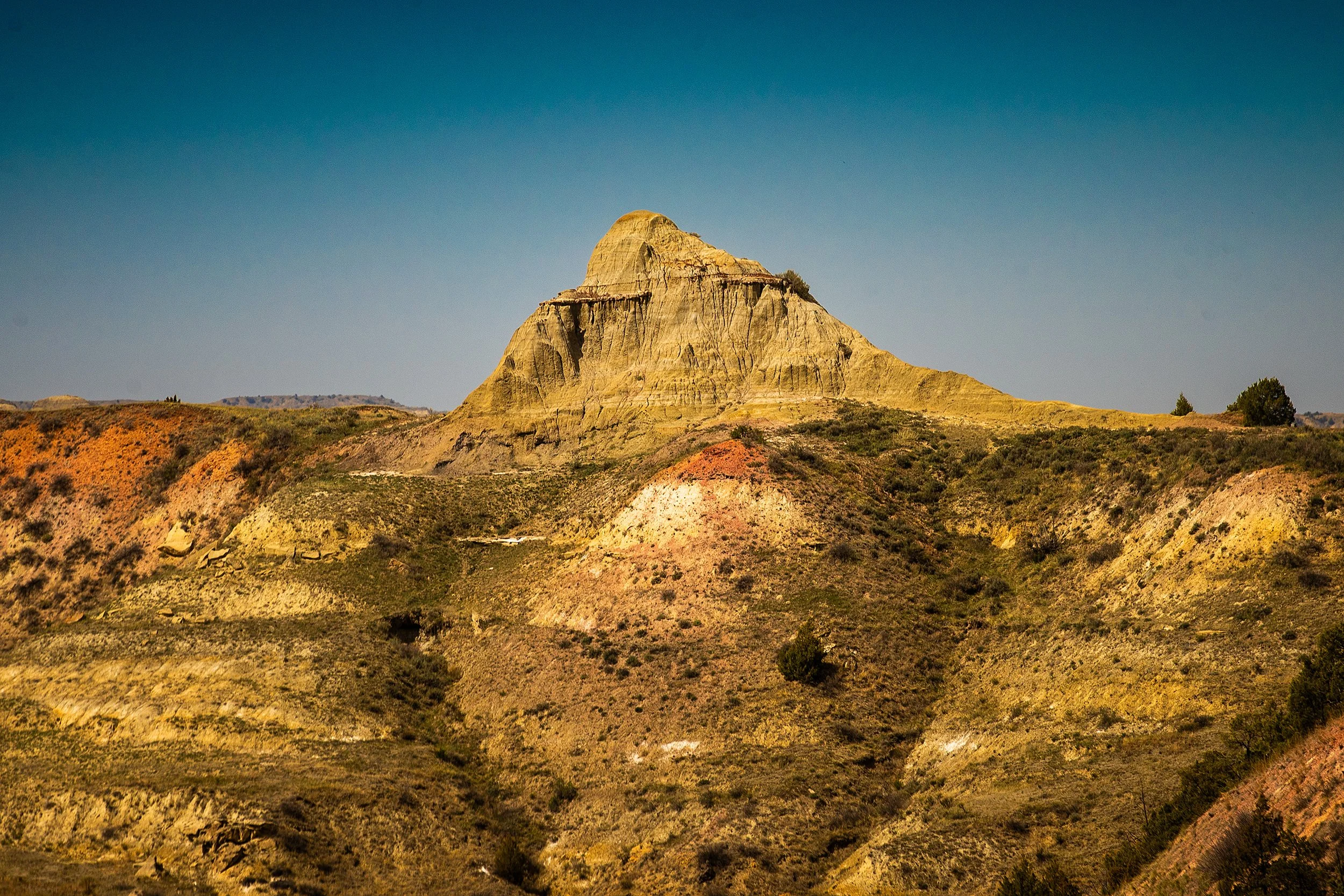
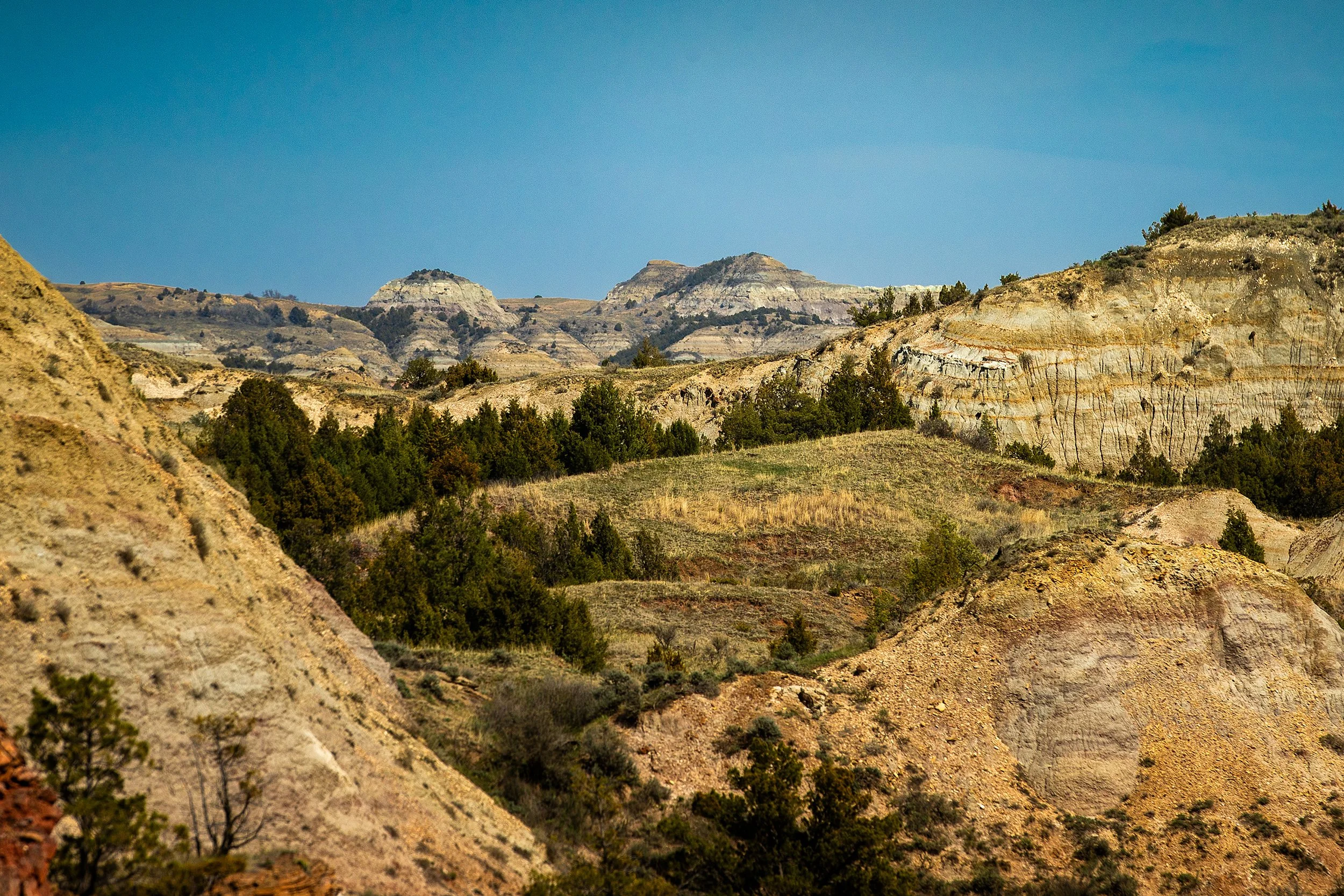
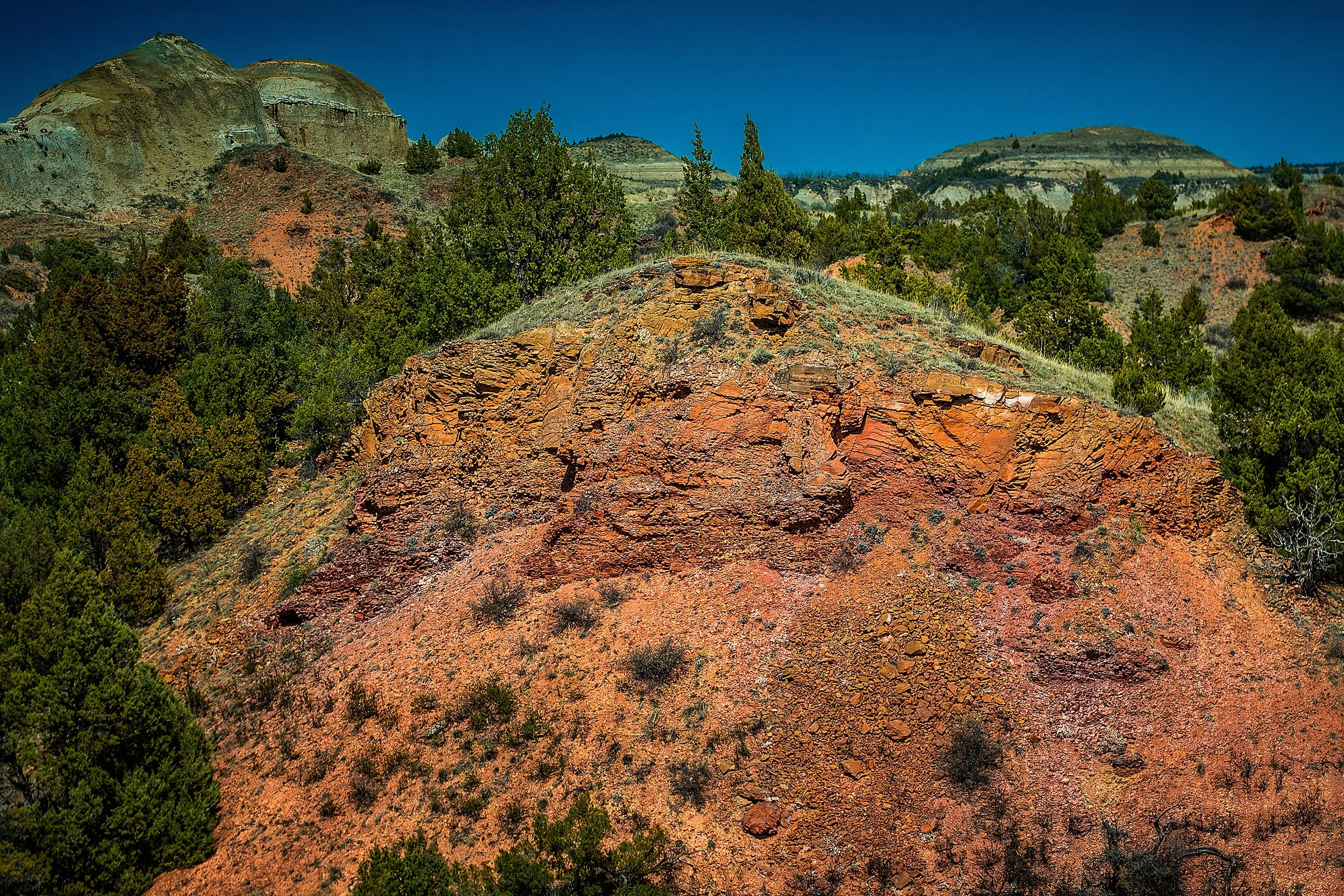
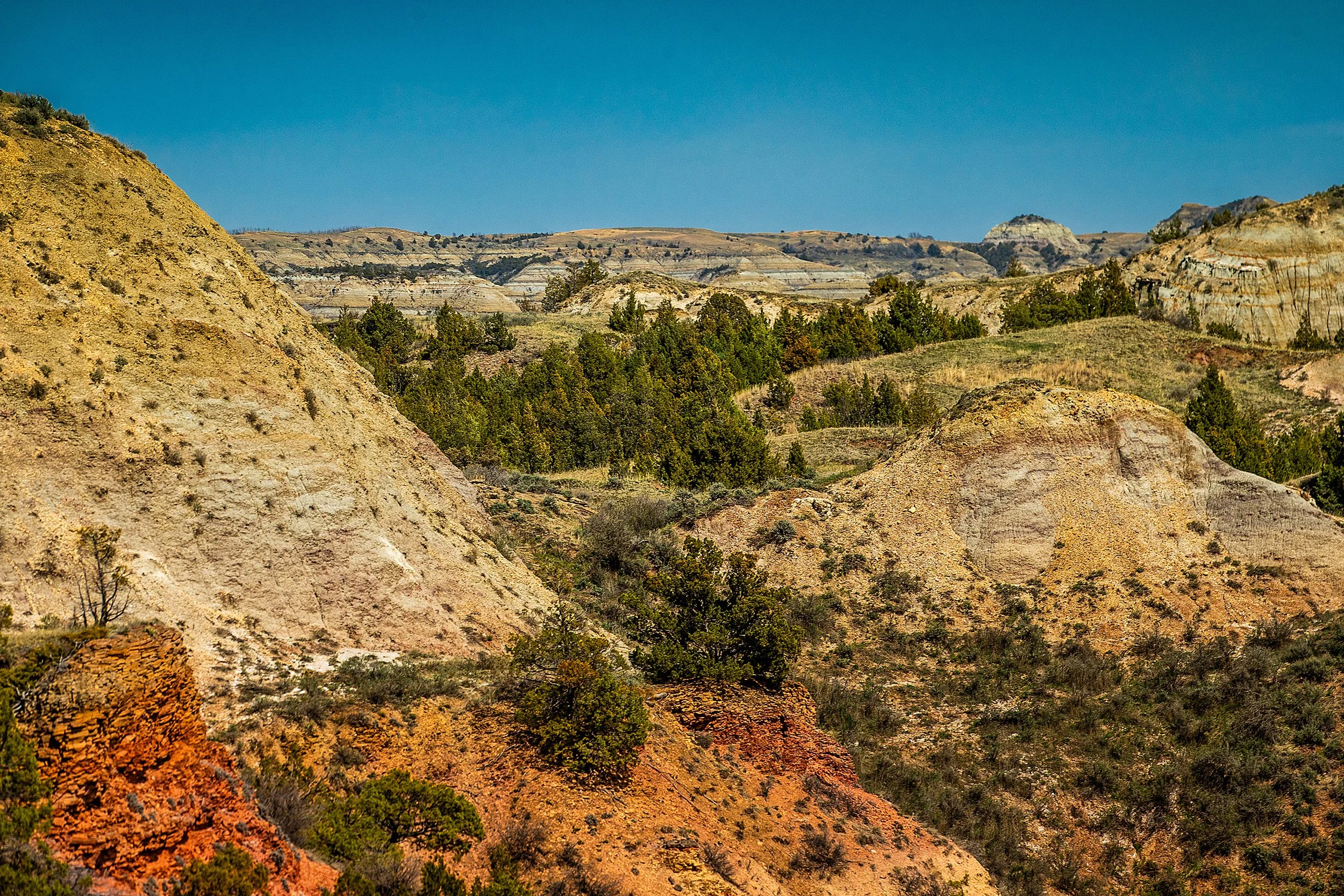
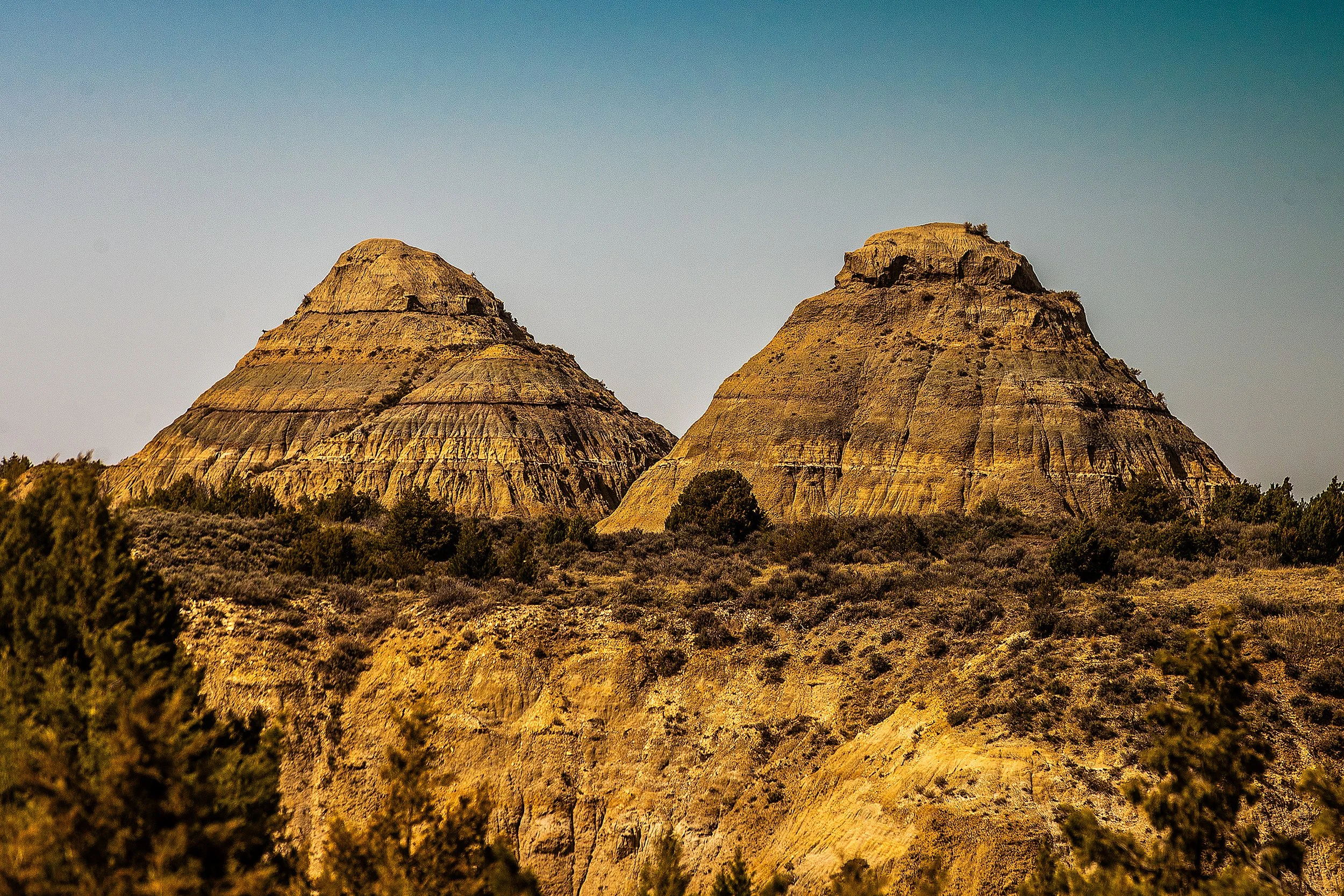
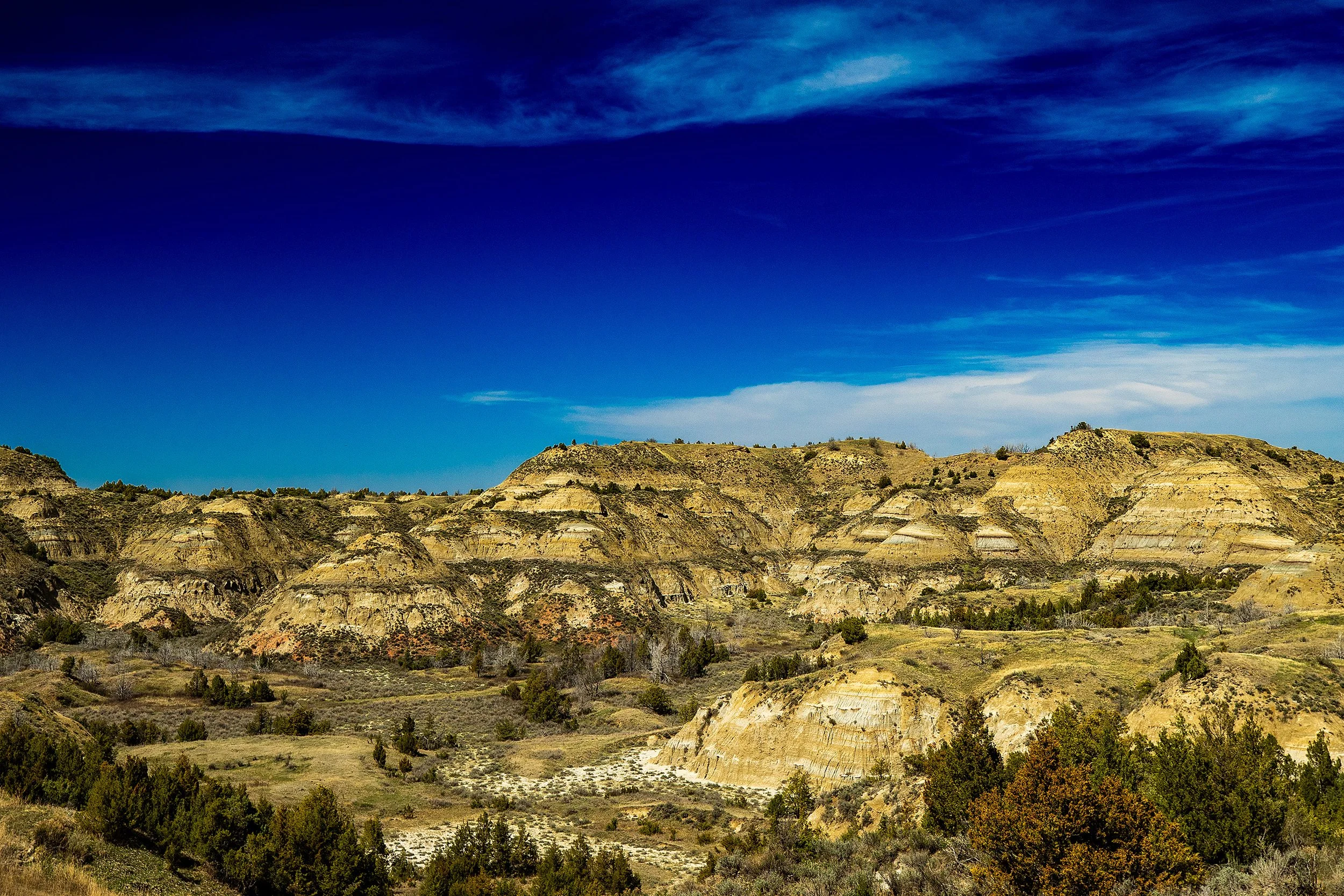
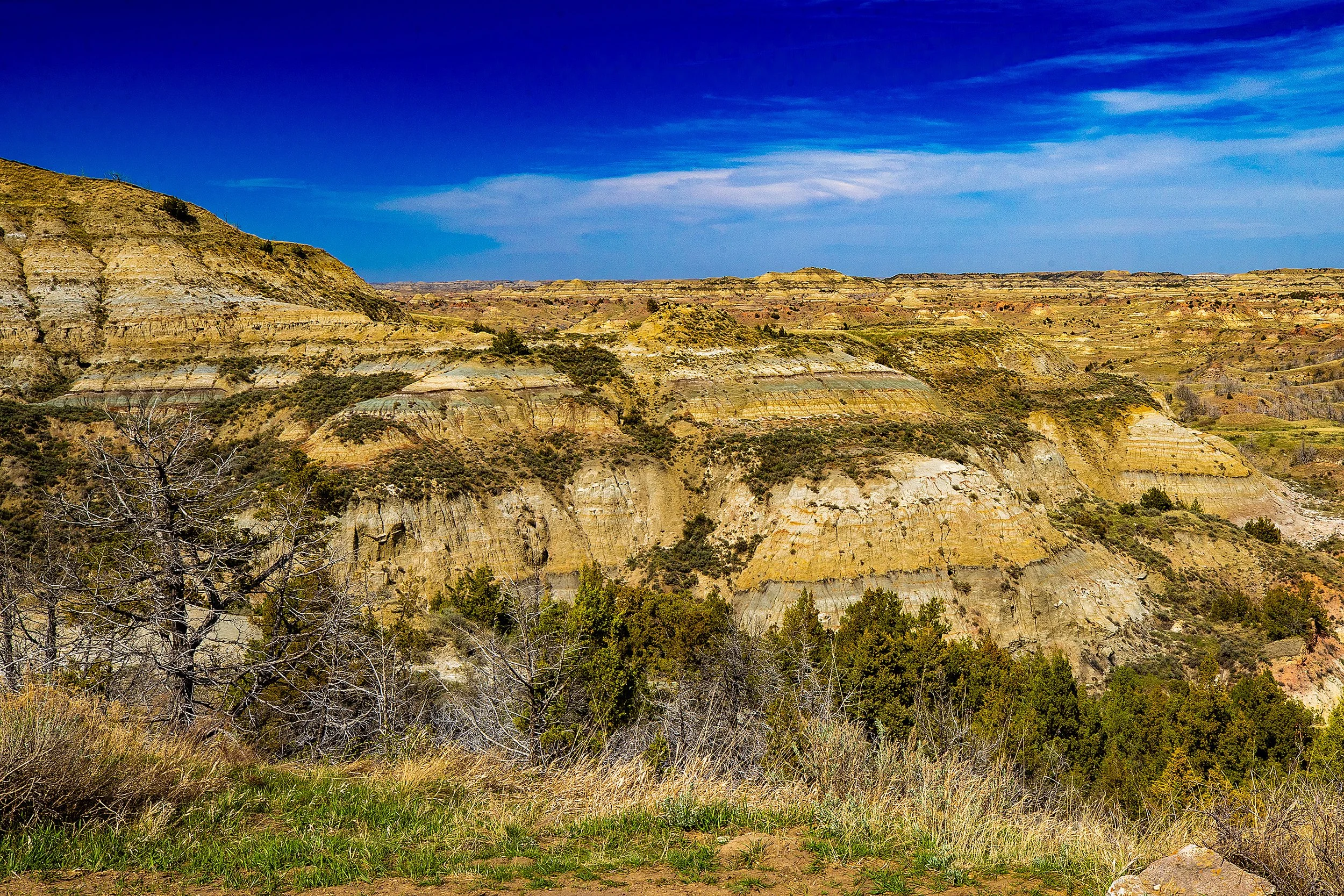
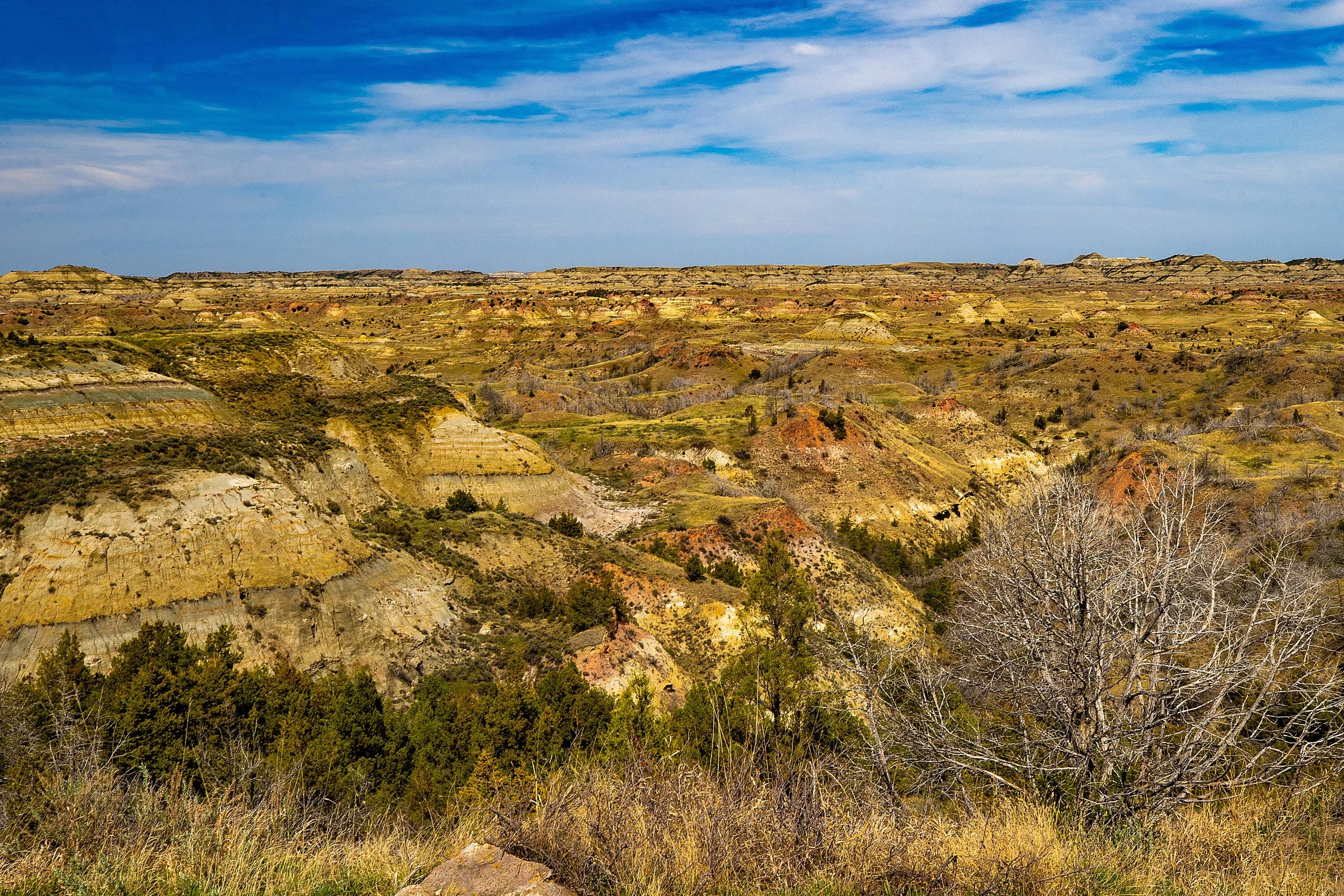
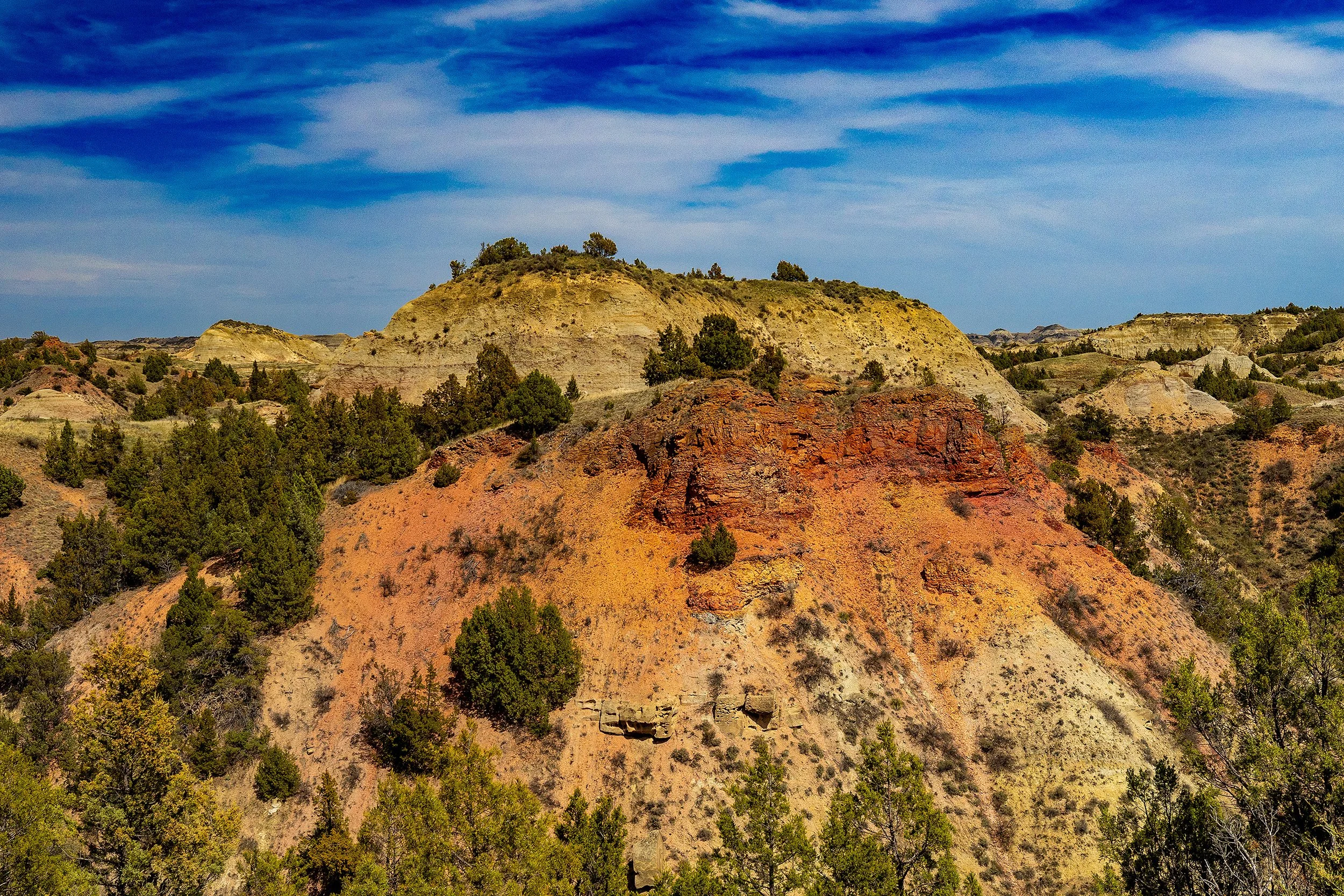
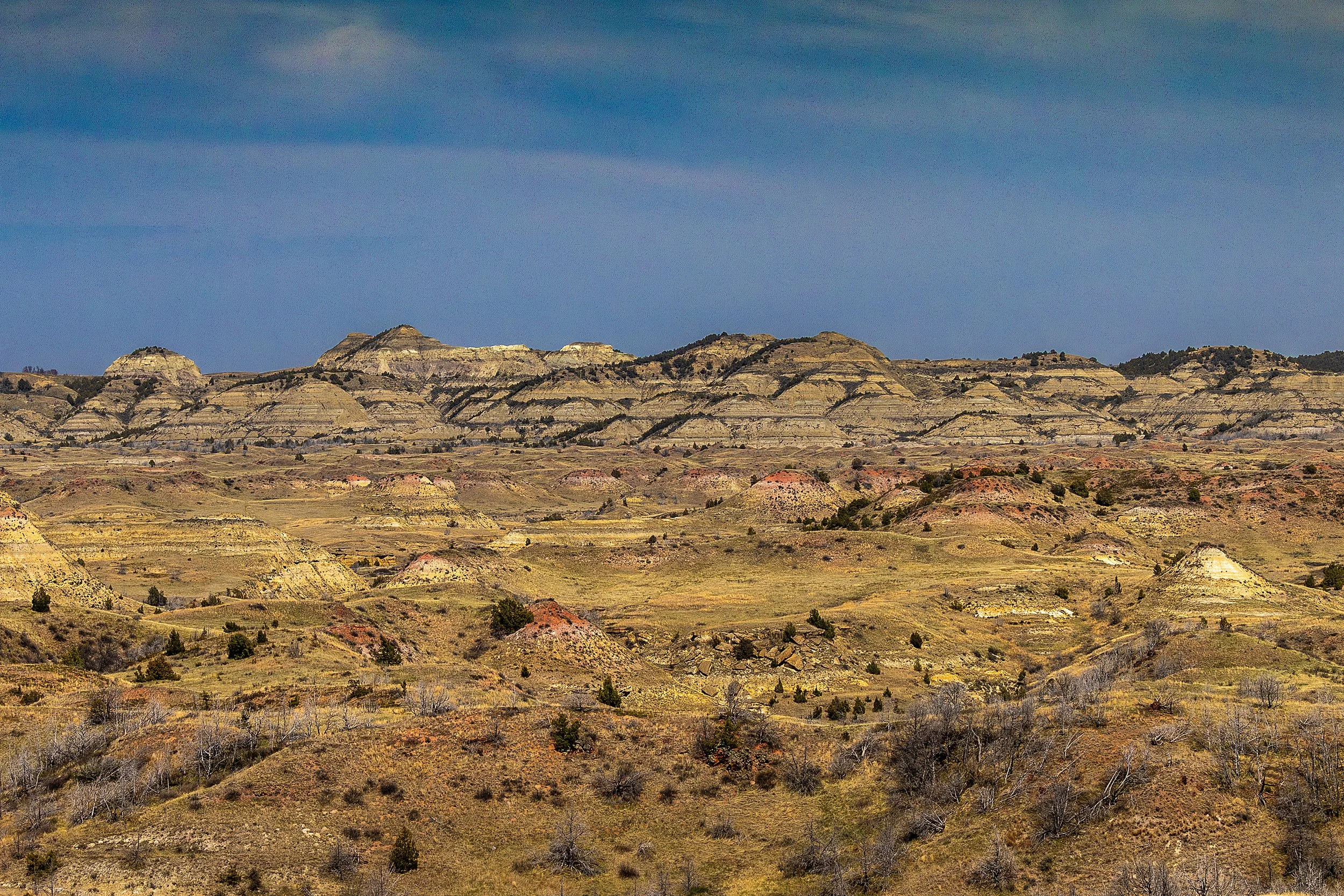
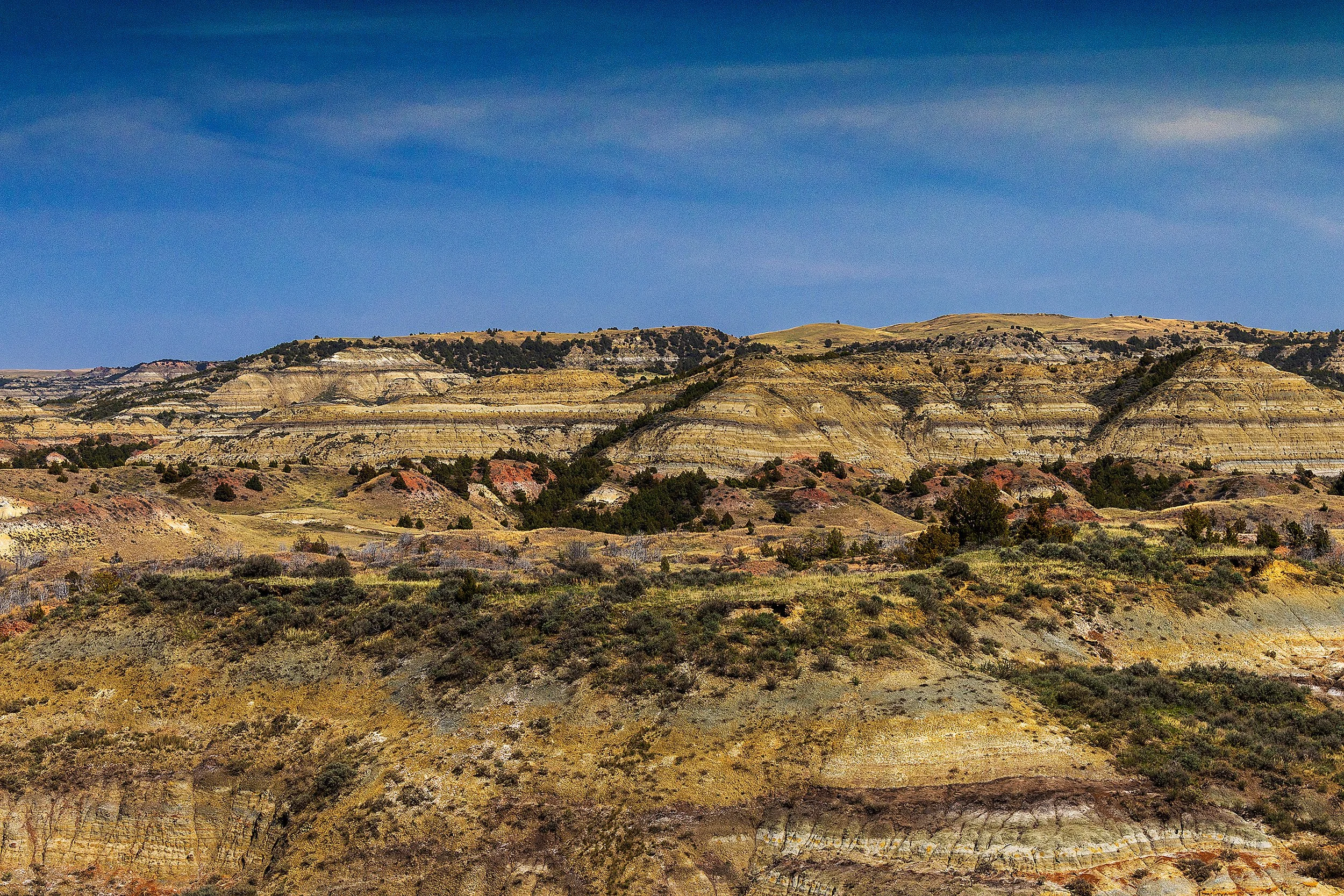
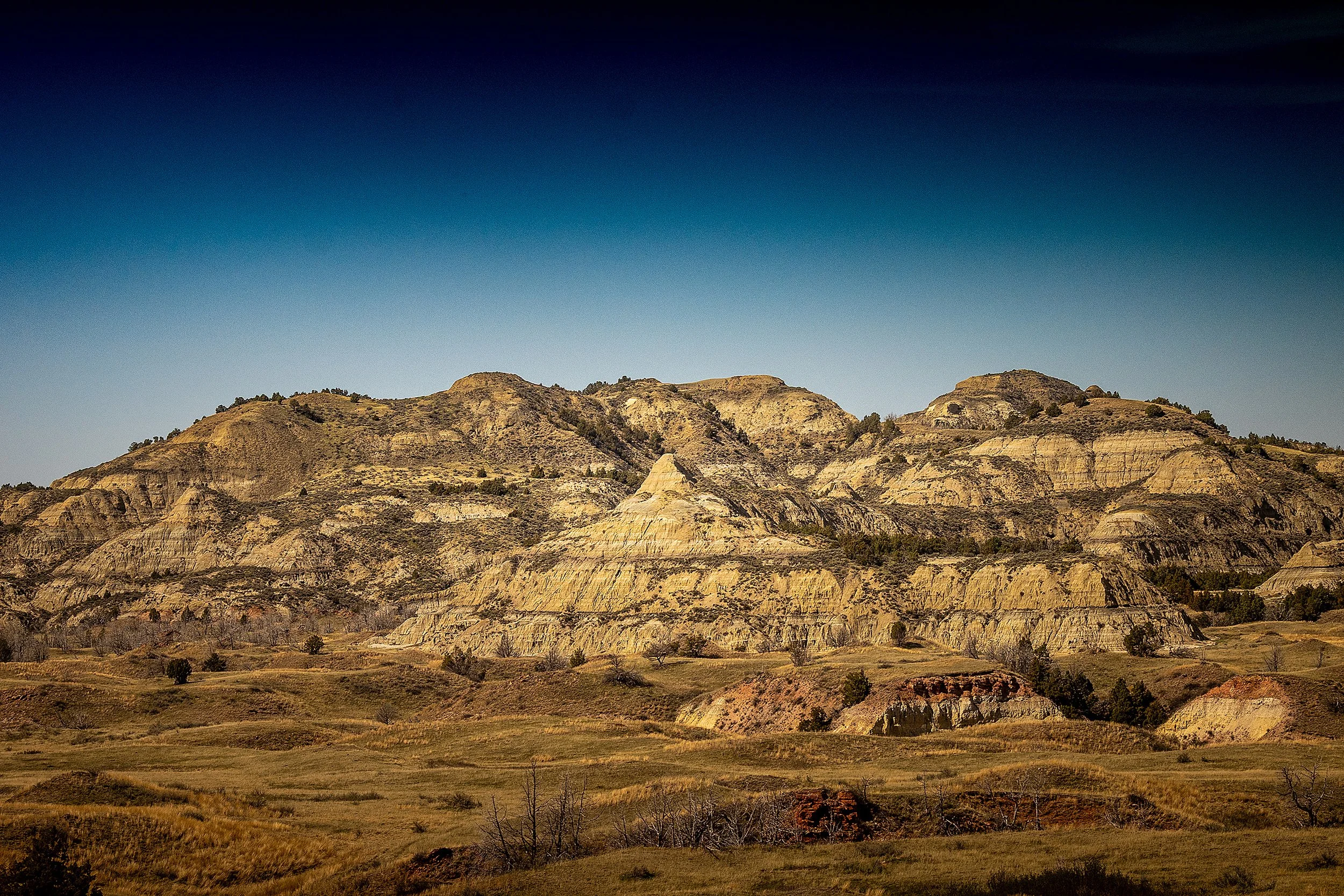
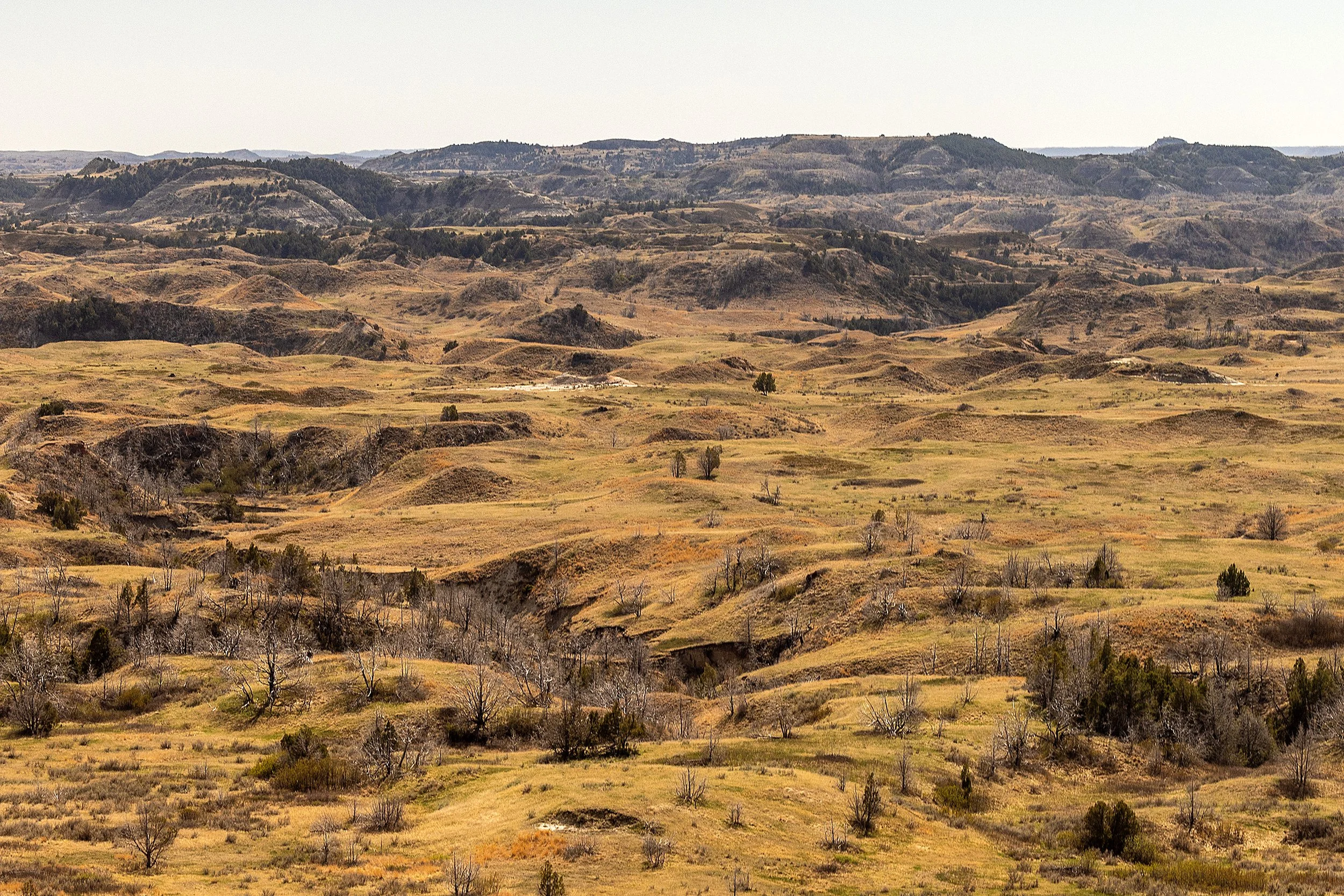
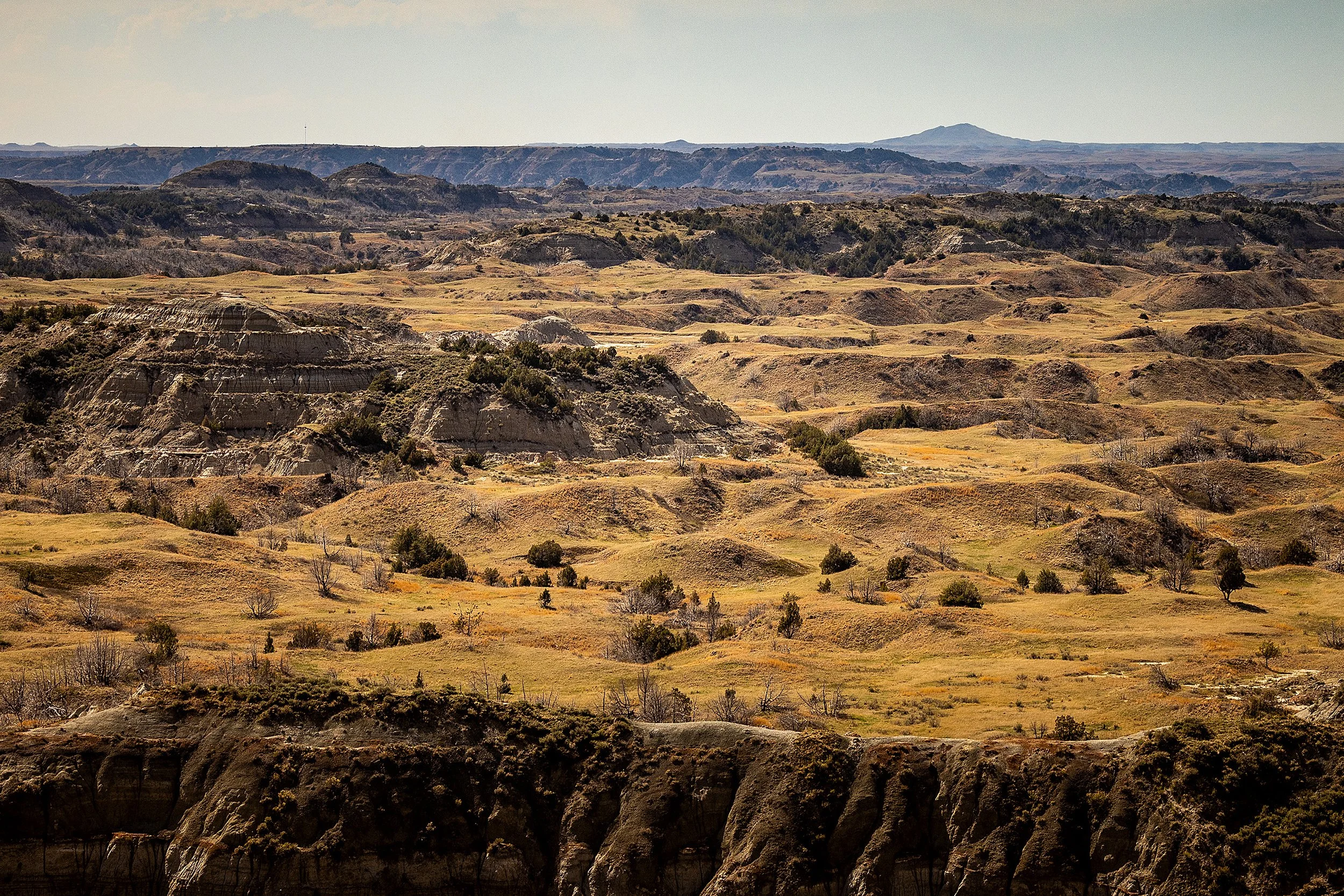
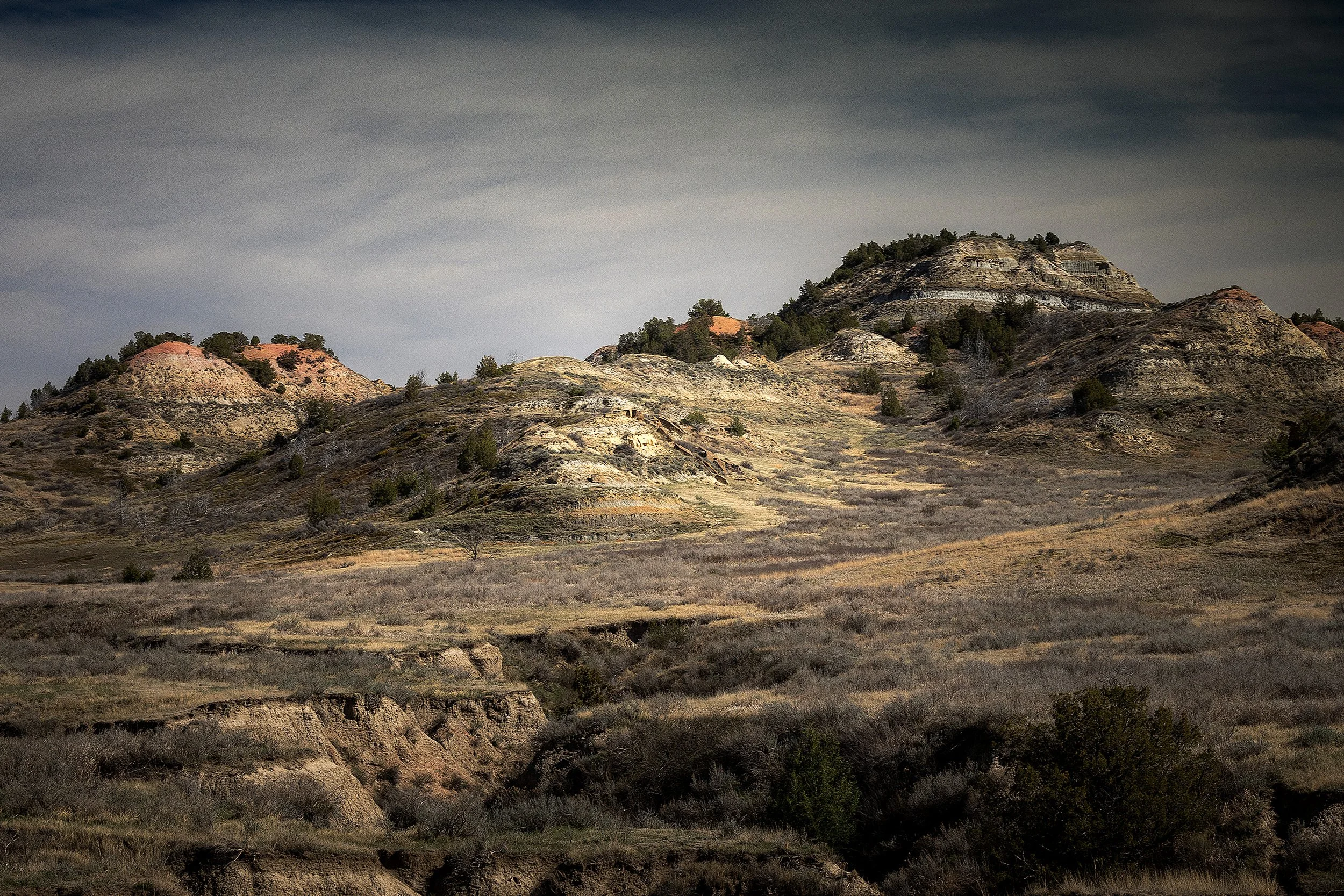
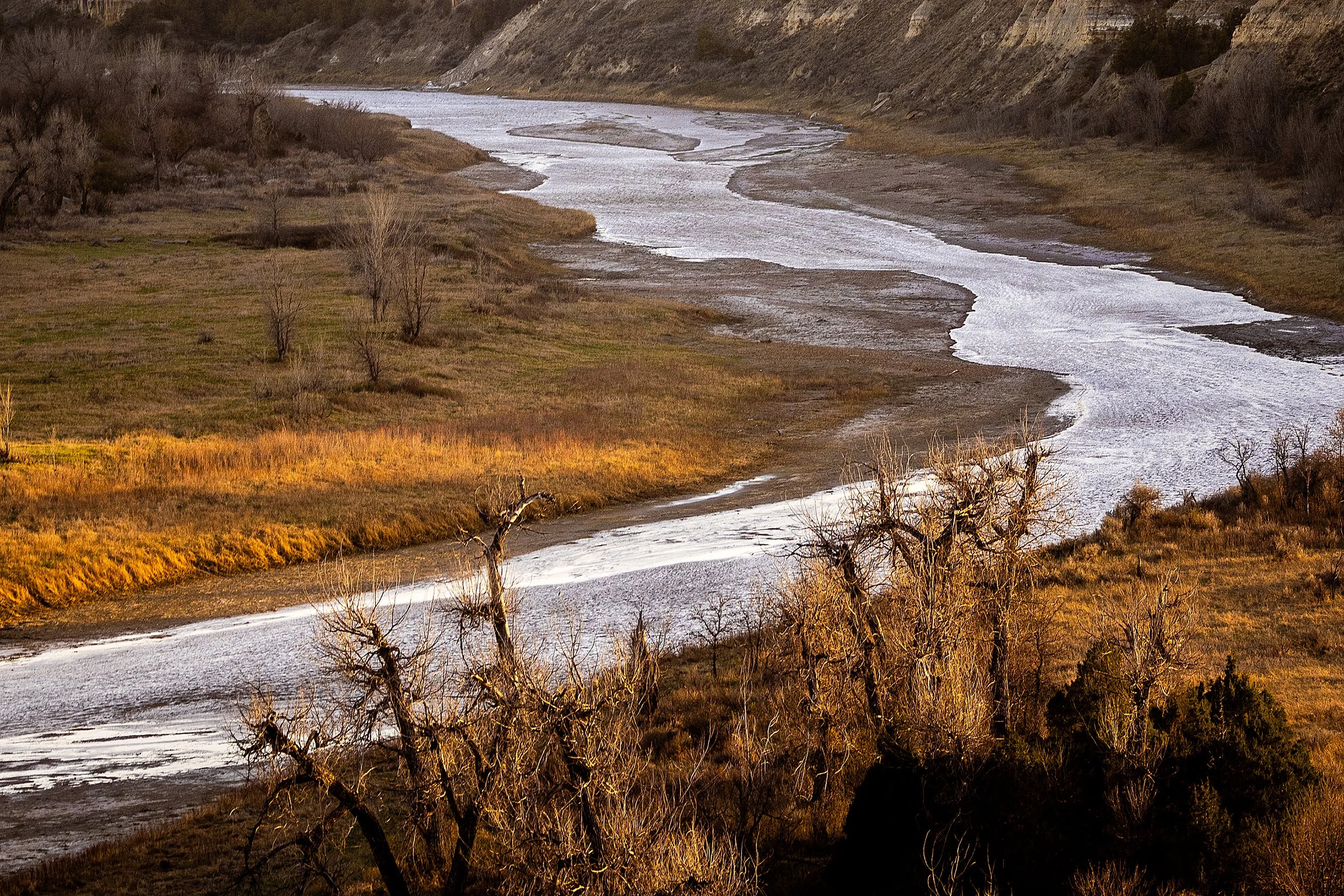
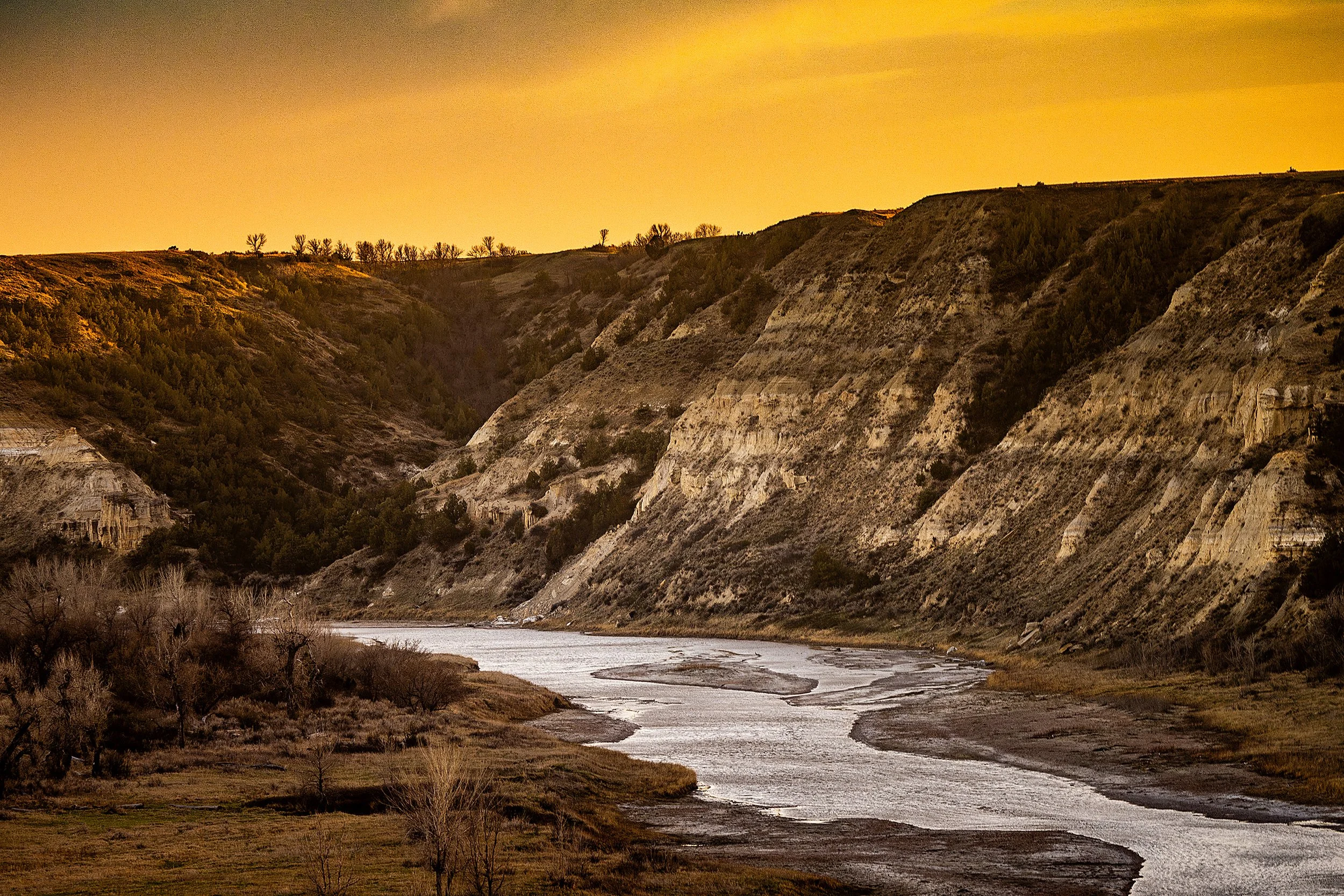
In April, the South Unit reveals a quieter palette than the saturated tones of summer. The badlands shift between ash-gray, muted ochre, and soft sage. Grasses begin their slow ascent from dormancy, painting the valley floors with a restrained green that feels earned rather than given.
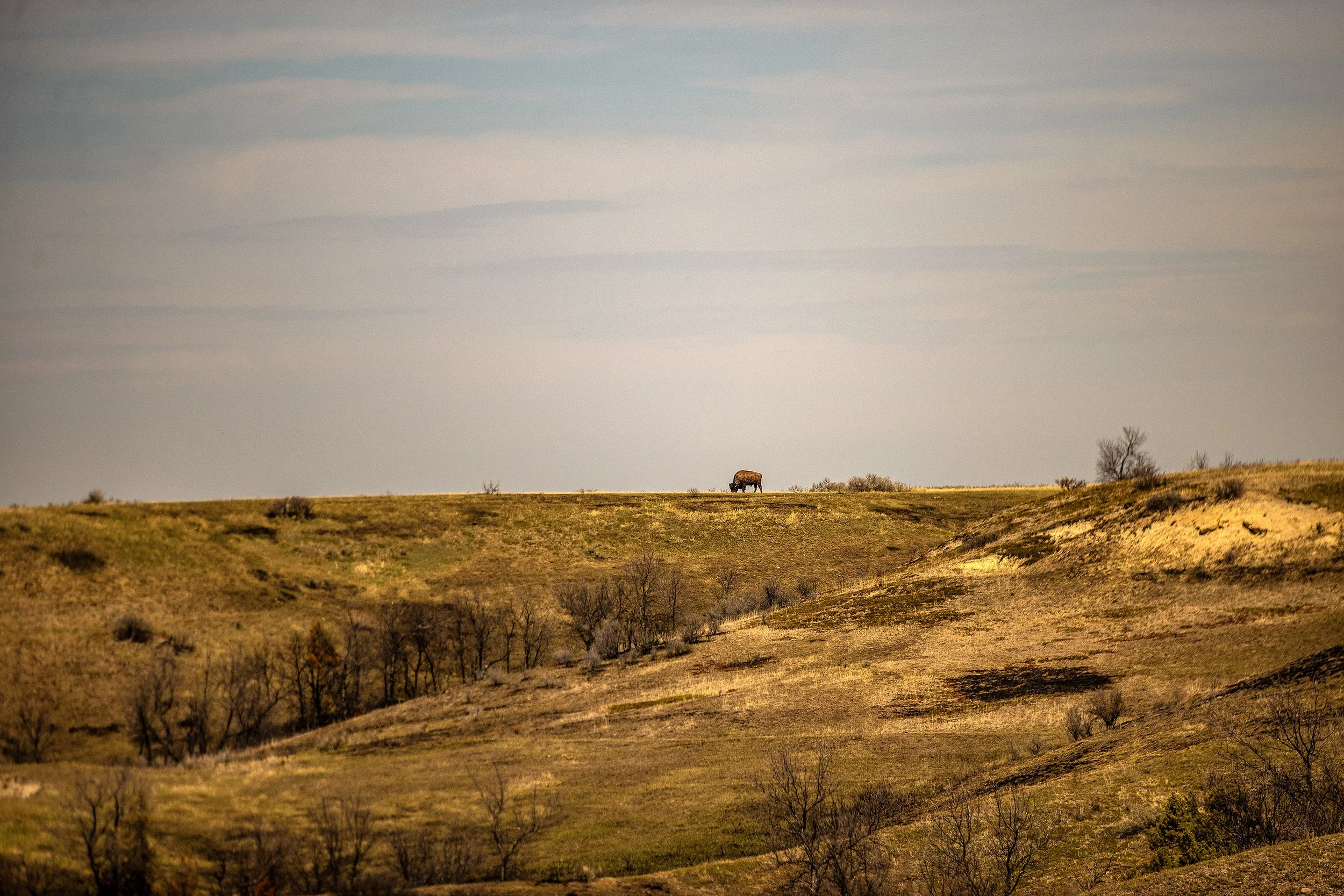
The light moves differently here in spring—lower, softer, stretching shadows across the folds of the land. It doesn’t overwhelm. It reveals.
A Landscape That Breathes History
This is a place shaped not just by wind and erosion, but by presence. Theodore Roosevelt once walked these same ridgelines, finding clarity in the vastness. In April, that solitude still lingers.
The crowds have not yet arrived. Roads feel open. Trails echo only with the sound of boots on dust and the distant call of meadowlarks. You begin to understand why this land leaves a mark—it doesn’t demand attention. It invites reflection.
Motion Beneath the Stillness
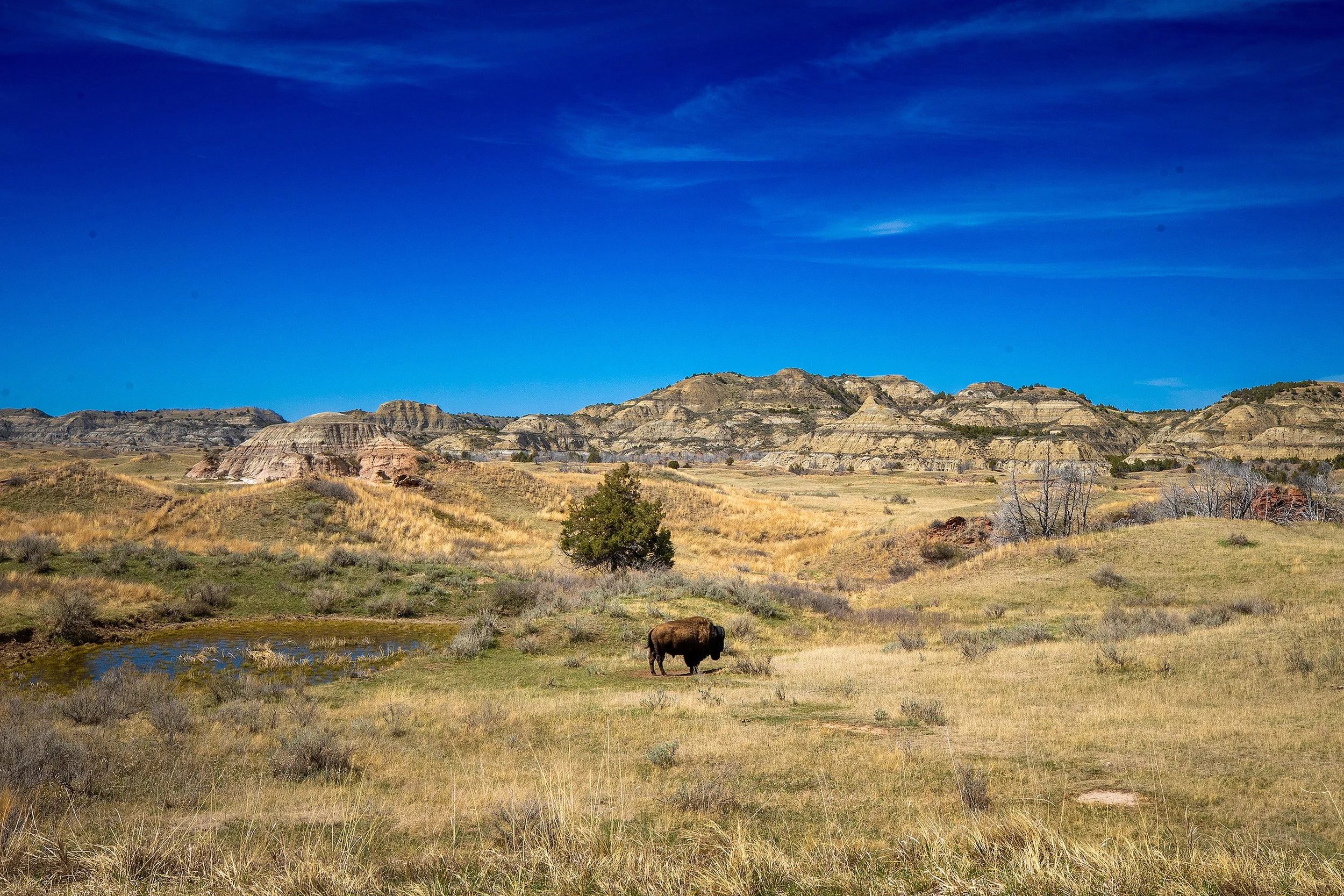
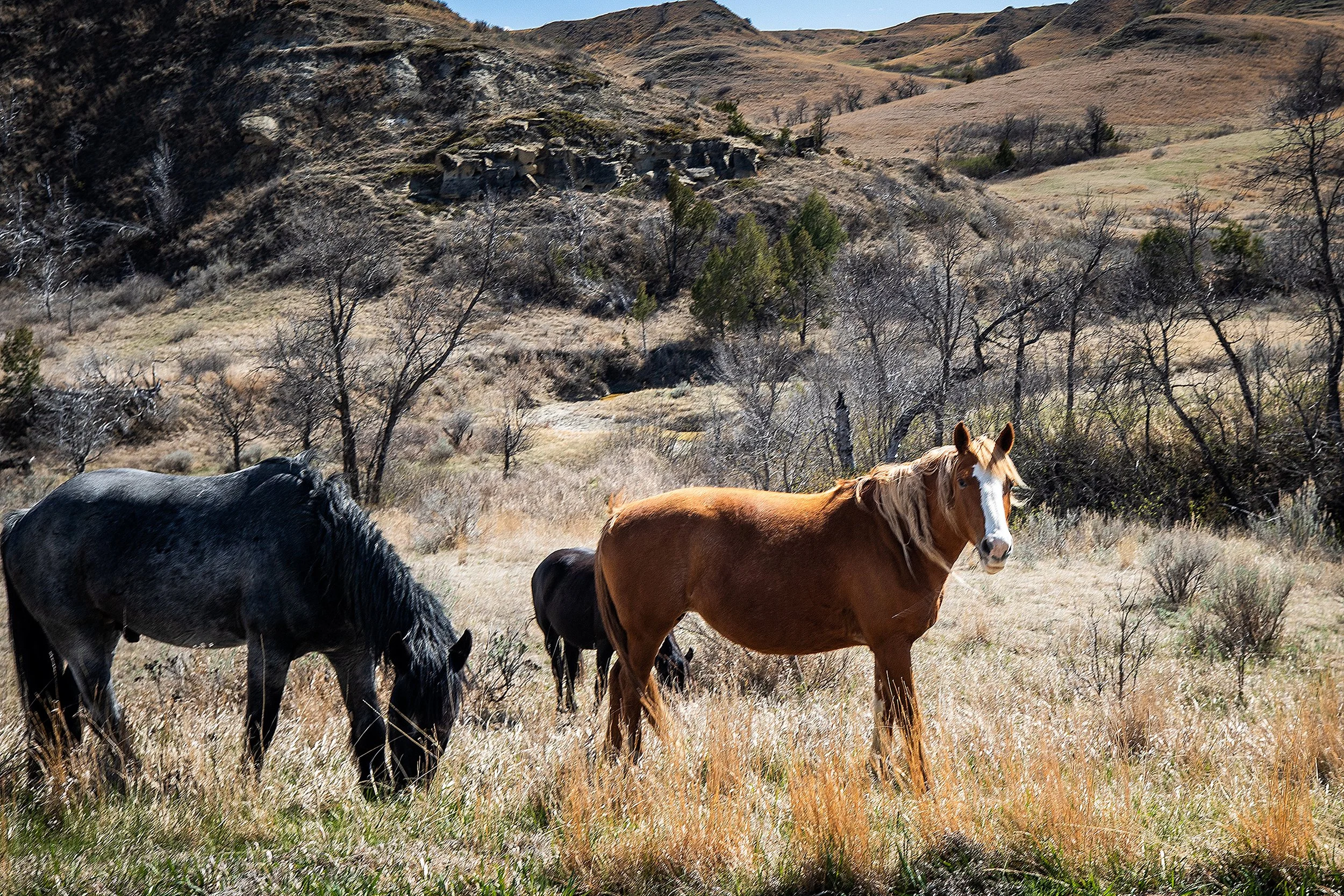
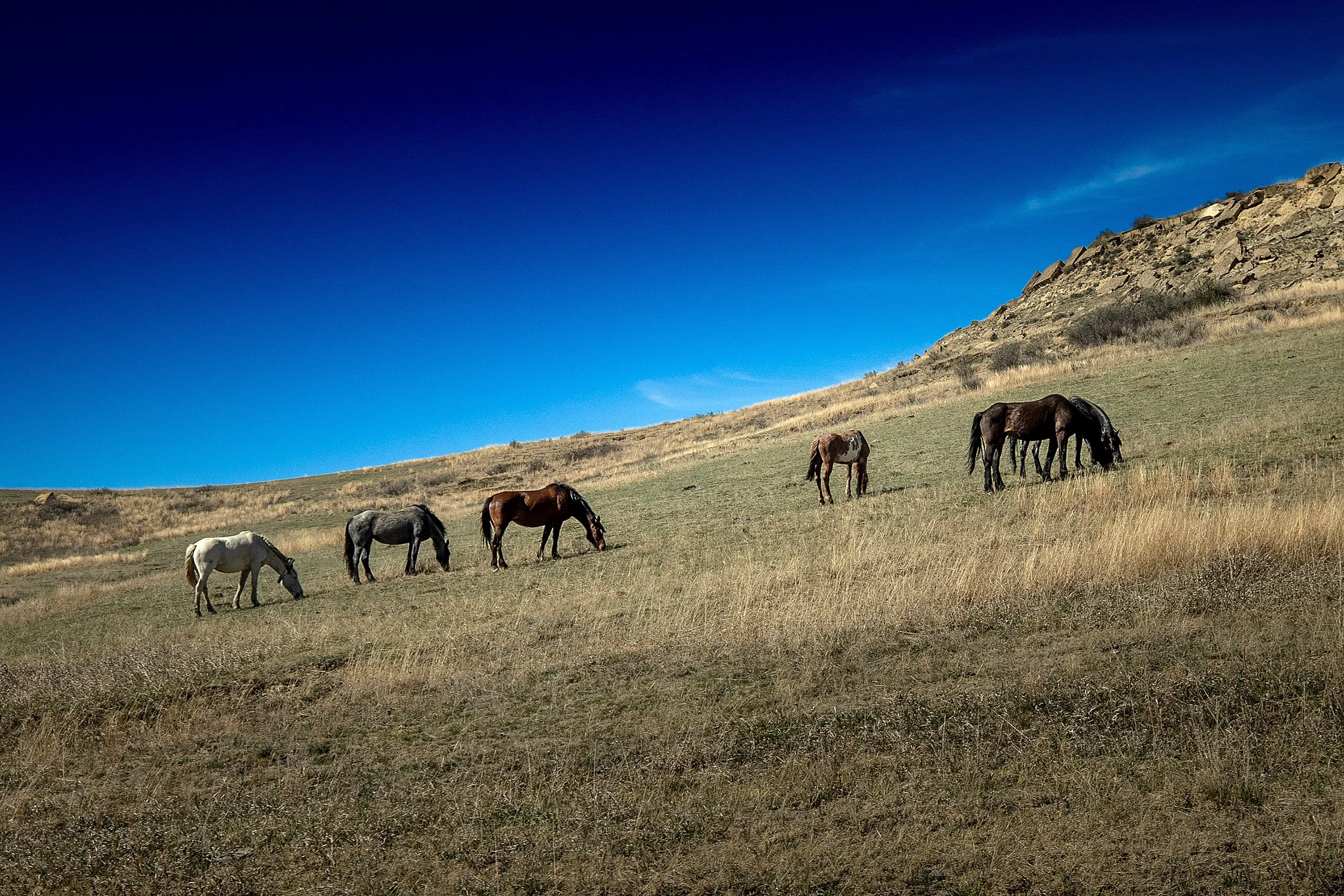
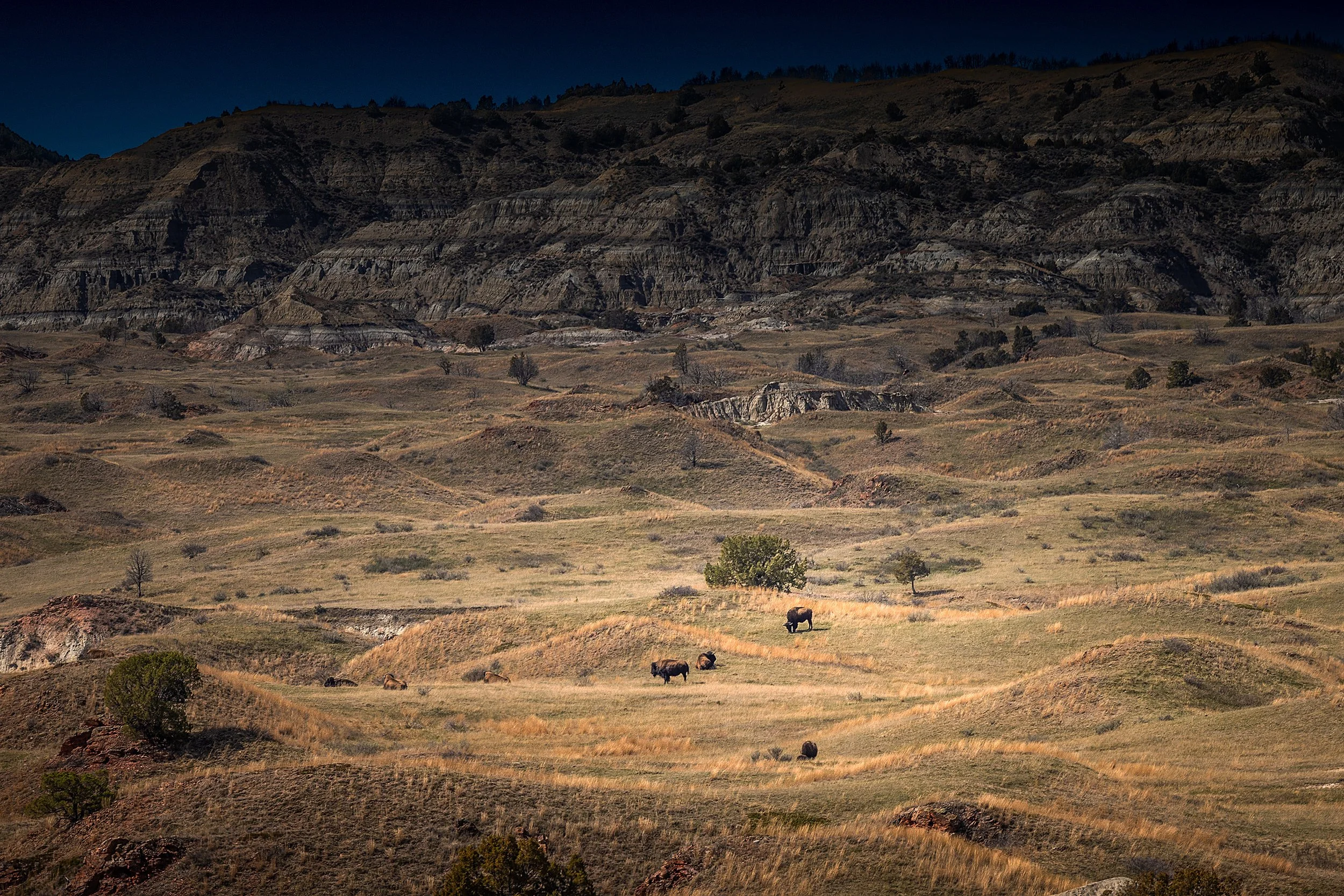
Beneath the quiet, there is movement everywhere. Bison drift across the plains like slow-moving shadows. Wild horses crest distant hills, their silhouettes dissolving into the horizon. The wind carries the scent of thawing earth—a reminder that this landscape is never static, only paused between seasons.
The Artist’s Perspective — Justin Graddy
For this series within National Parks of the American West Vol. II, the South Unit in April became less about spectacle and more about restraint. The compositions leaned into space—into breath.
The frames were built on tension: light against shadow, cold tones against emerging warmth, stillness against the subtle motion of life returning. It is a quieter body of work, but one that speaks deeply to transition—the moment between what was and what’s coming.